
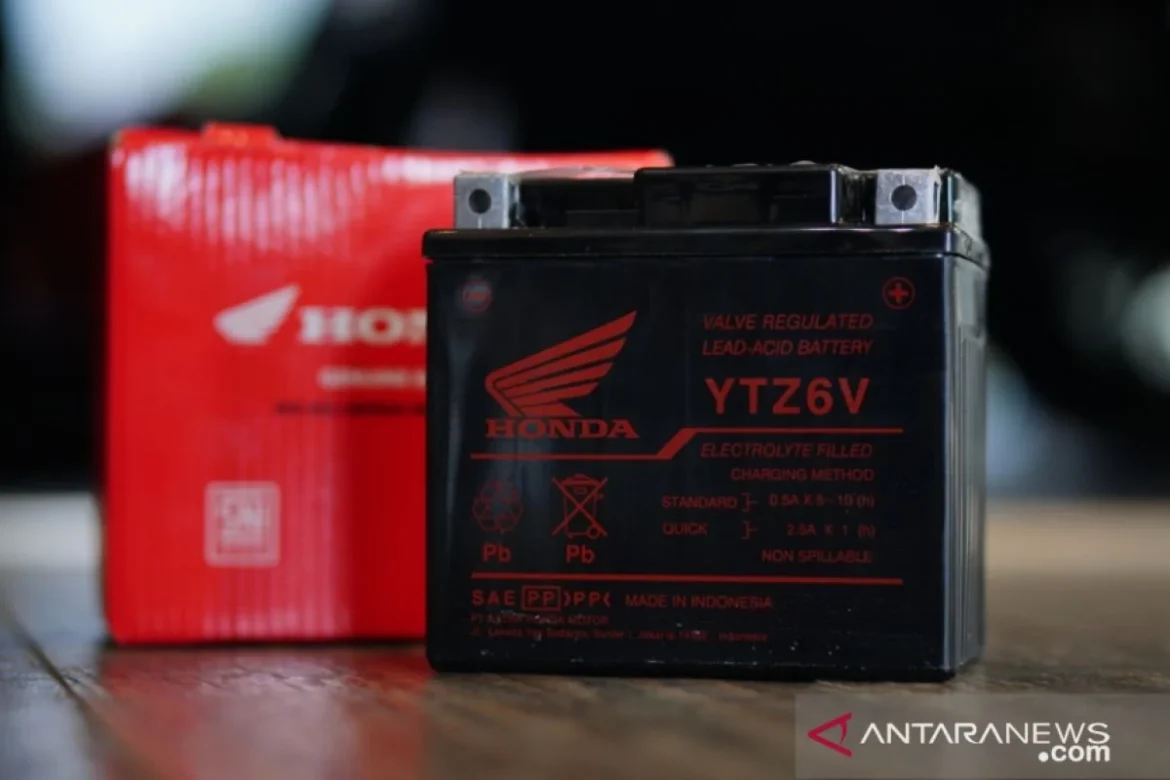
The motorcycle battery functions as the literal heartbeat of a modern two-wheeled vehicle’s electrical ecosystem, responsible for storing and supplying vital electrical energy to critical components including the starter motor, lighting arrays, audible warning systems, and digital instrument clusters. Within the realm of internal combustion motorcycles, the battery operates in a delicate symbiotic relationship with the charging system, enduring thermal stress, vibration, and continuous charge-discharge cycles. Despite its crucial role, the battery is frequently overlooked by riders until catastrophic failure leaves them stranded. Industry experts, including major battery manufacturers like GS Yuasa, emphasize that improper maintenance habits, irregular vehicle usage, and parasitic electrical loads are the leading catalysts for premature battery degradation. Understanding the underlying chemistry of motorcycle batteries, recognizing early warning signs of failure, and implementing a structured maintenance regimen can drastically reduce unexpected roadside failures and significantly lower long-term ownership costs.
Understanding Motorcycle Battery Chemistry and the Threat of Sulfation
To comprehend why motorcycle batteries frequently lose their charge—commonly referred to in rider terminology as going "soak" or "tekor"—it is essential to examine the electrochemical processes occurring within the unit. The vast majority of standard motorcycle batteries utilize lead-acid chemistry, which relies on a reaction between lead plates and an sulfuric acid electrolyte solution to generate and store electrical current. When a motorcycle remains idle for extended periods, or when the battery is allowed to linger in a depleted state of charge, a chemical phenomenon known as sulfation takes place. During sulfation, lead sulfate crystals form on the battery plates. If these crystals are left unaddressed, they harden over time, permanently reducing the active surface area of the plates and crippling the battery’s capacity to accept and hold an electrical charge.
According to technical insights shared by GS Yuasa, lead-acid batteries naturally experience a phenomenon called self-discharge, wherein stored energy slowly dissipates even when no external load is applied. This natural decay is accelerated in modern motorcycles due to parasitic draws from factory-installed electronics such as digital security alarms, immobilizers, clock memories, and engine control units (ECUs) that remain active even when the ignition key is in the off position. Without regular intervention, such as routine riding or the application of an intelligent trickle charger, a healthy battery can degrade into an unrecoverable state within a matter of weeks.
Key Diagnostic Indicators: Recognizing When a Motorcycle Battery is Failing
Before a battery fails completely, it typically exhibits a series of distinct operational symptoms. Recognizing these early warning indicators allows riders to address minor electrical deficiencies before they escalate into major mechanical inconveniences. The most prevalent signs of a weakening motorcycle battery include:
- Sluggish Starter Motor Engagement: The electric starter cranks noticeably slower than usual, or fails to turn the crankshaft entirely, often accompanied by a rapid clicking sound from the starter relay.
- Diminished Lighting Performance: Headlamps, tail lamps, and auxiliary dashboard illumination appear visibly dimmer when the engine is idling, brightening only when engine revs increase and the alternator produces more output.
- Weak Audible Warnings: The electric horn produces a raspy, muted, or lower-pitched sound due to insufficient current delivery.
- Instrument Cluster Malfunctions: Digital displays flicker, reset themselves upon ignition, or fail to boot up correctly during the startup sequence.
- Persistent Starting Difficulties: The engine requires multiple extended cranking attempts to fire up, particularly after the motorcycle has sat parked overnight or over a weekend.
It is critical to note, however, that these symptoms do not exclusively point to a dead battery. Faulty wiring harnesses, oxidized connections, a failing voltage regulator (kiprok), or a worn-out alternator stator can produce identical warning signs. Utilizing a digital multimeter or a specialized battery load tester is essential to determine whether the power source itself is defective or if an external charging system fault is to blame.
Expert-Recommended Maintenance Strategies for Maximum Battery Longevity
Maintaining a motorcycle battery does not require specialized engineering degrees, but it does demand consistency and adherence to manufacturer specifications. Automotive and battery engineers recommend a comprehensive set of preventative measures to safeguard battery health throughout the year.
-
Selecting the Correct Battery Specifications
Every motorcycle model is engineered to operate with a specific battery type, voltage rating, physical dimension, and amp-hour (Ah) capacity. Riders must resist the temptation to purchase replacement batteries based solely on rock-bottom pricing or physical dimensions. Installing an undersized battery or one with incorrect electrical parameters forces the charging system to work outside its design tolerances, leading to chronic undercharging, overheating, and severely shortened component lifespans. Always cross-reference replacement purchases with the motorcycle manufacturer’s official service manual. -
Regular Vehicle Operation and Engine Warmed-Up Cycles
The most natural way to maintain a healthy battery is to ride the motorcycle regularly. Extended journeys allow the alternator to replenish the energy consumed during the initial startup sequence. However, merely starting the engine and letting it idle in a confined garage for a few minutes is generally insufficient. Idling often consumes more electrical energy via the starter motor than the low-RPM alternator can generate, resulting in a net loss of battery charge. If a motorcycle must remain parked for extended durations, utilizing a dedicated smart charger designed specifically for powersports applications is strongly advised. -
Combating Self-Discharge and Mitigating Idle Losses
For riders who store their motorcycles for weeks or months at a time, implementing a strict battery preservation routine is paramount. When parasitic drains from electronic security systems are combined with natural self-discharge, a battery can drop below a critical voltage threshold where sulfation becomes irreversible. Removing the battery and storing it in a temperature-controlled environment while connected to an automatic, microprocessor-controlled smart charger prevents this degradation. These advanced chargers monitor the battery’s state of health and deliver micro-current pulses to keep the lead plates free of sulfate crystal buildup without causing overcharging. -
Maintaining Clean and Corrosion-Free Terminals
The physical interface between the battery and the motorcycle’s electrical harness relies entirely on the battery terminals. Over time, exposure to moisture, road salts, and chemical vapors from the electrolyte can cause oxidation, leading to the formation of crusty white or greenish deposits. This corrosion introduces electrical resistance, which chokes the flow of current. Routine inspections should include checking for tight cable connections and inspecting terminals for signs of buildup. If corrosion is detected, the vehicle must be completely powered down, and the deposits safely cleaned using a mixture of baking soda and water, or specialized terminal cleaner, following safety guidelines outlined in the owner’s manual. -
Routine Inspection Protocols
Proactive riders integrate battery health checks into their monthly maintenance schedules. This inspection routine encompasses evaluating the physical integrity of the battery casing for cracks, bulges, or leaks; measuring resting voltage with a multimeter; and ensuring that mounting brackets hold the battery firmly in place to protect it from excessive high-frequency engine and road vibrations. -
Managing Electrolyte Levels in Conventional Wet Batteries
A clear distinction must be made between traditional flooded lead-acid (wet) batteries and modern maintenance-free (MF) or Absorbed Glass Mat (AGM) variants. Conventional wet batteries feature removable filler caps that allow riders to monitor and service the liquid electrolyte levels inside each cell. If the fluid drops below the lower indicator line, distilled water must be added carefully up to the upper limit—never exceeding it. Conversely, attempting to pry open the seals of a maintenance-free or AGM battery to add fluid is strictly prohibited, as exposure to oxygen and tampering with the sealed internal chemistry will permanently ruin the unit. -
Exercising Caution with Aftermarket Electrical Accessories
Modern motorcycle culture embraces customization, frequently involving the aftermarket installation of auxiliary LED fog lamps, high-decibel air horns, heated grips, USB charging ports, and advanced GPS tracking hardware. While these accessories enhance convenience and safety, they also draw substantial electrical current. Riders must calculate the cumulative power draw of these additions against the maximum output of the motorcycle’s stock alternator. Exceeding the charging system’s capacity will systematically drain the battery, resulting in chronic power deficits and eventual system failure. Any major electrical modification should ideally be executed by a certified technician using heavy-duty relays and fused wiring harnesses. -
Utilizing Proper Charging Equipment
When a battery requires bench charging, the selection of the charging device is critical. Automotive battery chargers often output excessively high amperage currents (ranging from 10 to 50 amperes) designed for large car and truck batteries. Connecting an automotive charger to a compact motorcycle battery will induce rapid internal heating, electrolyte boiling, severe plate warping, and potential casing explosion. Riders must exclusively use low-amperage smart chargers (typically ranging from 0.5 to 2.0 amperes) tailored specifically for motorcycle and scooter batteries, ensuring proper ventilation during the active charging phase. -
Comprehensive Diagnosis of the Charging and Electrical Systems
When a newly installed battery fails prematurely, replacing the battery repeatedly without investigating the root cause is a costly and ineffective strategy. The problem frequently lies within the motorcycle’s charging circuit. The alternator stator, which generates alternating current (AC), and the voltage regulator/rectifier (kiprok), which converts AC to direct current (DC) while regulating voltage output, must be thoroughly tested with a multimeter. A malfunctioning regulator can either undercharge the battery, leaving it starved of energy, or overcharge it, boiling away the electrolyte and destroying the internal cells through excessive thermal stress. A comprehensive diagnostic inspection at an authorized service center ensures that all components within the closed electrical loop operate in seamless harmony.
Comparative Analysis of Motorcycle Battery Lifespan Expectancy
Industry benchmarks provided by leading manufacturers illustrate that the operational lifespan of a motorcycle battery is not a fixed metric; rather, it varies widely based on battery construction, climate severity, riding frequency, and maintenance diligence.
| Battery Type | Estimated Average Lifespan | Primary Characteristics & Maintenance Requirements |
|---|---|---|
| Conventional Wet Cell | 2 – 3 Years | Requires periodic electrolyte level checks, manual water top-ups, and regular terminal cleaning. Highly sensitive to neglect. |
| Maintenance-Free / AGM | 3 – 5 Years | Sealed construction utilizing glass mat separators. Spill-proof, highly resistant to vibration, and requires no fluid top-ups. |
| Lithium-ion Powersports | 4 – 6 Years | Exceptionally lightweight, highly compact, and exhibits extremely low self-discharge rates. Requires specialized lithium chargers. |
While these timeframes serve as a general baseline, poor environmental conditions—such as extreme ambient heat or freezing winter temperatures—can accelerate chemical degradation. Furthermore, motorcycles utilized exclusively for short, stop-and-start urban commutes place an exceptionally heavy burden on the battery, as the starter motor drains significant energy that short trips cannot fully replenish.
Broader Implications and Economic Impact for Riders
The overarching implications of proper motorcycle battery management extend far beyond mere mechanical convenience; they touch directly upon rider safety, predictable transportation economics, and environmental sustainability. A sudden electrical failure in heavy highway traffic or in remote rural areas poses serious safety hazards, potentially leaving a rider stranded without hazard lights or engine power in dangerous conditions.
From an economic perspective, proactive maintenance eliminates the recurring, unnecessary expenditure of purchasing replacement batteries every twelve to eighteen months due to neglect. By adopting simple preventative habits—such as maintaining clean terminals, monitoring electrolyte levels on conventional units, utilizing smart chargers during periods of inactivity, and verifying charging system output—motorcycle owners can easily double the operational lifespan of their onboard power sources. Ultimately, treating the motorcycle battery with the same attentive care afforded to engine oil and brake fluid ensures reliable performance, preserves vehicle resale value, and provides peace of mind on every journey.
