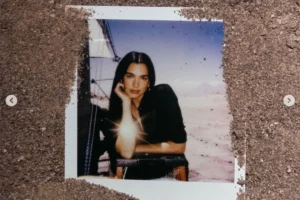
The trajectory of celebrity lives often takes unexpected turns, transitioning from the glaring lights of the entertainment industry to the quiet, demanding routines of everyday professions far from home. Mawar Dhimas Febra Purwanti, widely recognized across Indonesia as Mawar AFI from the inaugural season of the popular reality singing competition Akademi Fantasi Indosiar, has officially embraced a vastly different chapter of her life. Residing in the United States alongside her husband, Kevin Arthur Loegiman, Mawar has successfully pivoted her professional focus toward the healthcare sector. This transition, which materialized following her marriage in mid-2025, highlights a growing trend of public figures seeking stability and fresh professional horizons abroad while balancing the intricate demands of family life.
Life in America: Balancing Three Healthcare Roles
Recent disclosures shared by Mawar through her verified social media channels shed light on her daily routine and professional undertakings in the United States. Far removed from the stage performances and television appearances that once defined her career, Mawar is now deeply embedded in the American medical care system. Rather than committing to a single monolithic employer, she has leveraged the flexibility inherent in the American labor market to build a diverse portfolio of responsibilities. Currently, she is employed across three distinct companies, all operating within the broader healthcare and caregiving industry.
In a detailed video update published on her Instagram account, Mawar elaborated on the structural advantages of working within the United States healthcare framework. The ability to seamlessly negotiate between part-time and full-time hours has allowed her to curate a schedule that accommodates her responsibilities as a mother. Central to her professional engagements is her role as a Qualified Medication Administration Personnel (QMAP) caregiver. This specialized profession requires rigorous training and official certification, enabling practitioners to administer prescribed medications to patients and residents within professional care facilities, complementing standard daily living assistance duties.
The allure of this career path, according to Mawar, lies primarily in its scheduling autonomy. During initial job interviews, she established firm boundaries regarding her availability, explicitly prioritizing her role as a mother to school-aged children. Consequently, her primary employment is structured around the academic calendar. She routinely begins her shift at 9:00 AM, immediately following the morning school drop-off, and concludes her duties by 2:00 AM, ensuring she returns home before her children finish classes. This deliberate five-hour workday exemplifies how skilled immigrant workers can tailor foreign labor markets to suit familial priorities. Beyond clinical and administrative caregiving tasks, Mawar’s daily life incorporates distinctly domestic elements of American community care, such as walking her clients’ pets. Her social media updates captured moments of her walking an elderly client’s gray dog through local parks, reflecting a holistic integration into her neighborhood and workplace environment.
Chronology of a Transnational Transition
The journey that brought Mawar from the Indonesian entertainment landscape to the American healthcare sector was neither impulsive nor sudden. It represents the culmination of a carefully coordinated personal and professional migration strategy developed over several years.
The timeline of Mawar’s transition began long before her public wedding ceremony. Having established herself as a recognizable name in Indonesian pop culture following her breakout success on Akademi Fantasi Indosiar Season 1 in the early 2000s, Mawar navigated decades of shifting media landscapes. However, her personal life entered a new phase when she crossed paths with Kevin Arthur Loegiman, an Indonesian-American citizen working professionally as a nurse in the United States.
Following a whirlwind romance that spanned approximately five months, the couple formalised their relationship. In May 2025, Kevin proposed to Mawar, setting into motion a rapid sequence of life-altering decisions. Both individuals entered the union with children from previous relationships, necessitating a thoughtful approach to blended family dynamics and international relocation. By mid-2025, the couple publicly confirmed their intention to relocate permanently to the United States.
At the time of the announcement, Mawar addressed her domestic fanbase, clarifying that the move did not signify a permanent and total severing of ties with her home country. She outlined plans to maintain a transnational lifestyle, characterized by periodic visits to Indonesia. Nevertheless, she candidly acknowledged that her primary career focus would definitively shift from full-time entertainment work in Southeast Asia to full-time integration into the American workforce. By the latter half of 2025, the relocation was finalized, and Mawar began actively pursuing professional credentials required to enter the American healthcare sector, leveraging guidance and insights provided by her husband.
Contextualizing the Shift: The Indonesian Entertainment Industry and Overseas Migration
Mawar’s career pivot underscores broader economic and sociological realities facing early-generation reality television stars in Indonesia. The initial boom of talent search programs in the early 2000s launched dozens of young artists into sudden stardom. However, the longevity of careers built upon such foundations is frequently challenged by the rapid evolution of digital media, shifting consumer tastes, and the saturation of the domestic entertainment market.
For many artists from the pre-social-media era of Indonesian television, sustaining a lucrative, full-time career in the arts requires constant reinvention. While some alumni of shows like Akademi Fantasi Indosiar managed to maintain enduring visibility through acting, singing, or digital content creation, others faced diminishing professional opportunities. Transitioning into entirely different industries, therefore, represents a pragmatic approach to long-term financial security.
Furthermore, the decision to relocate to the United States reflects broader global migration patterns among skilled healthcare professionals and their spouses. The United States healthcare sector has historically faced chronic labor shortages, particularly in specialized caregiving, nursing, and assisted living facilities. Consequently, immigration pathways and employment structures in stateside medical fields often offer robust opportunities for individuals willing to undergo localized training and certification. By entering the QMAP workforce, Mawar positioned herself within a resilient, high-demand industry largely insulated from the economic volatility typical of the creative arts sector.
Implications of Transnational Mobility for Public Figures
The life of Mawar AFI offers a compelling case study in modern transnational mobility, particularly regarding how high-profile individuals manage public identity across geographical borders. When public figures step away from the limelight to pursue blue-collar or clinical professions abroad, it challenges traditional societal perceptions of celebrity permanence.
From an economic perspective, Mawar’s successful integration into the American workforce demonstrates the adaptability required of modern immigrants. Navigating foreign labor laws, securing professional certifications, and balancing multi-company employment demands a high degree of resilience. For international couples where one partner is established in a specialized field like nursing, moving to the partner’s home country often necessitates a restructuring of career identities. Mawar’s transition from a pop culture icon to a certified medication administration personnel highlights a willingness to embrace humbling yet deeply impactful labor.
Moreover, the digital age allows expatriated public figures to maintain a continuous, albeit mediated, connection with their original domestic audiences. Through platforms like Instagram, Mawar bridges the physical distance between her former life in Indonesia and her present reality in the United States. By sharing the mundane and rewarding aspects of her daily routine—such as navigating part-time schedules, walking clients’ dogs, and managing school runs—she humanizes the immigrant experience for millions of followers who remember her from her television days.
Future Outlook and Broader Industry Response
As Mawar continues to build her life in the United States, her story resonates within broader discussions surrounding career reinvention and work-life balance. Observers of the Indonesian entertainment industry note that her path may serve as a blueprint for other former television personalities seeking sustainable livelihoods outside the pressures of the public eye.
While representatives from the Indonesian entertainment sphere have not formally commented on individual career departures of this nature, industry analysts generally view such transitions as natural evolutions. The ability to pivot toward stable, regulated sectors like healthcare provides a safety net that creative industries rarely guarantee.
Ultimately, Mawar Dhimas Febra Purwanti’s journey from the singing stage of Akademi Fantasi Indosiar to the care facilities of America illustrates a profound personal transformation. By prioritizing family stability, leveraging flexible labor markets, and embracing rigorous professional retraining, she has successfully redefined her identity for a globalized era. As she navigates her tripartite professional commitments in the United States, Mawar remains a testament to the fact that career longevity often depends as much on adaptability and courage as it does on initial talent.