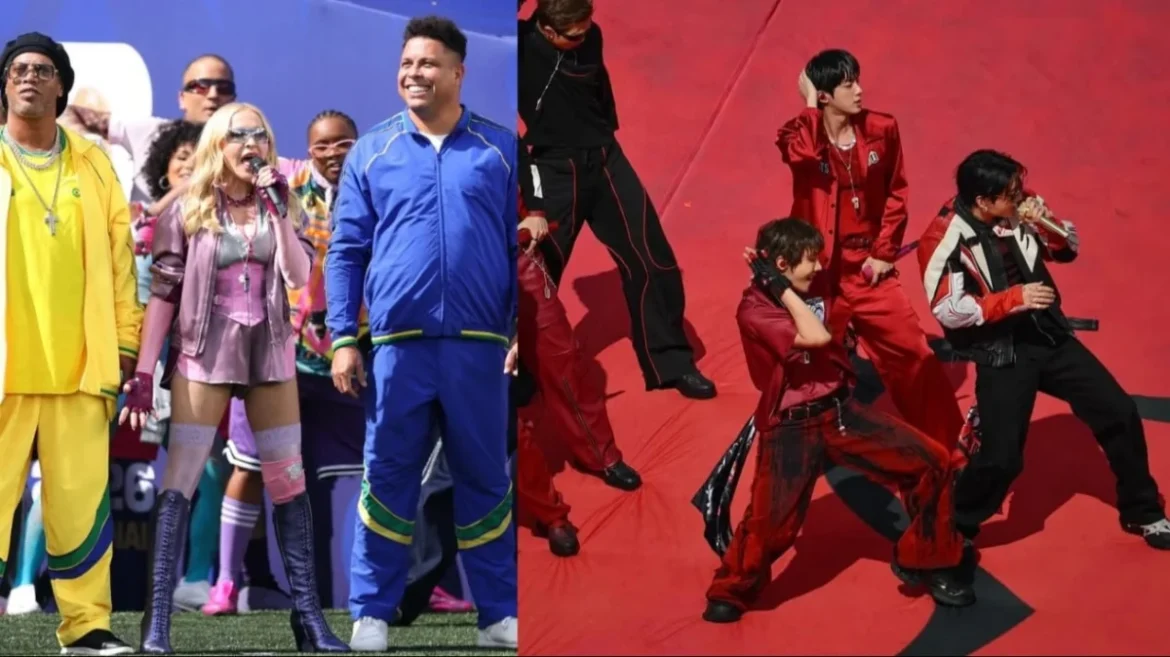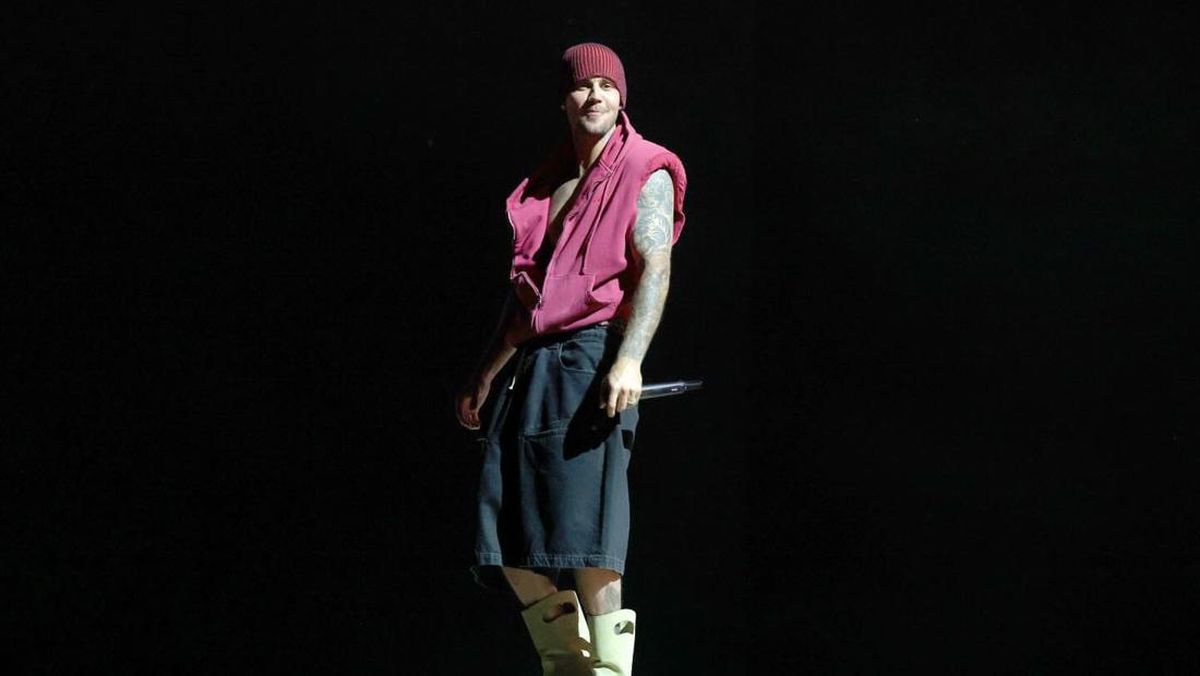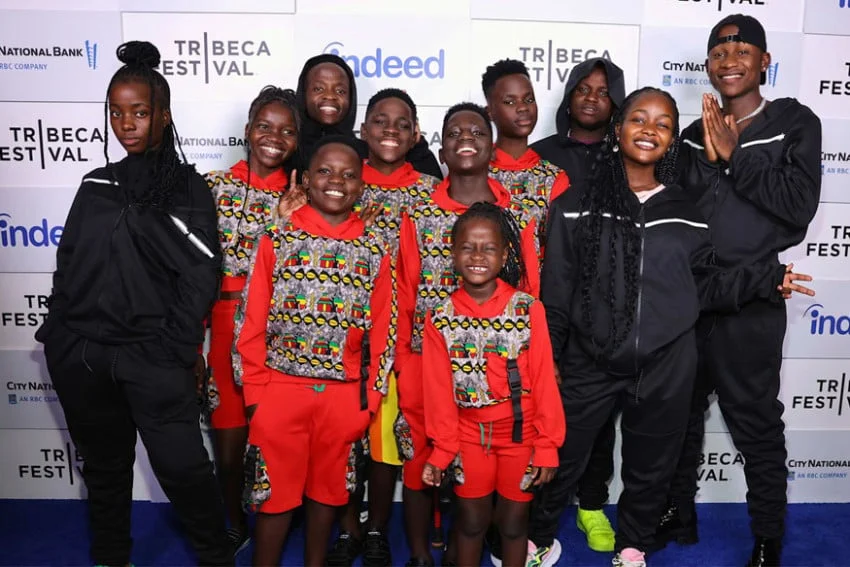
The global spotlight will converge on MetLife Stadium in East Rutherford, New Jersey, on Sunday, July 19, 2026, as it hosts the much-anticipated final of the FIFA World Cup 2026. Billions of eyes worldwide are expected to tune in, not only for the culminating football match—speculated by some sources to be a clash between European titans Spain and South American giants Argentina—but also for a halftime spectacle promising a blend of global superstardom and an unprecedented narrative of resilience. While musical icons like Shakira, Burna Boy, Madonna, Justin Bieber, and BTS are slated to electrify the stage, an equally compelling story unfolds with the inclusion of Uganda’s Ghetto Kids, whose journey from the streets of Kampala to football’s grandest stage embodies the tournament’s spirit of hope and global unity.
The Pinnacle of Global Football: The 2026 FIFA World Cup Final
The 2026 FIFA World Cup marks a historic milestone in international football, being the first tournament to feature an expanded format of 48 teams and jointly hosted by three nations: the United States, Canada, and Mexico. This monumental undertaking will span 16 host cities across the three North American countries, culminating in the final at MetLife Stadium. The decision to award the final to the New York/New Jersey metropolitan area was a fiercely contested one, with bids from other major cities like Dallas (AT&T Stadium) and Los Angeles (SoFi Stadium) also vying for the prestigious event. The sheer scale of this World Cup, with an unprecedented 104 matches, necessitates a logistical masterclass, and the final is designed to be the crown jewel of this extended festival of football. FIFA and the local organizing committees anticipate record-breaking viewership, surpassing the 5 billion engagement figure reported for the 2022 World Cup in Qatar, underscoring the immense global appeal and cultural significance of the event.
A New Era for the World Cup: Expanded Format and Co-Hosts
The expansion from 32 to 48 teams brings significant changes to the tournament structure. The group stage will now consist of 12 groups of four teams, with the top two teams from each group and the eight best third-placed teams advancing to a new round of 32. This format aims to provide more opportunities for nations from underrepresented confederations to participate, fostering greater global inclusivity. However, it also presents considerable logistical challenges, including increased travel distances for teams and fans across the vast geographical spread of the three host nations. The United States will host 78 of the 104 matches, including all matches from the quarterfinals onwards, emphasizing its central role in the tournament. Canada and Mexico will each host 13 matches. The bidding process for the host cities, which concluded in June 2022, involved rigorous assessments of stadium infrastructure, training facilities, transportation networks, and overall readiness to handle the influx of teams, officials, and millions of international spectators. The choice of MetLife Stadium for the final reflects the New York/New Jersey region’s robust infrastructure, extensive accommodation options, and proven track record in hosting mega-events.
MetLife Stadium: A Colossus Ready for History
MetLife Stadium, located just outside New York City in East Rutherford, New Jersey, is a state-of-the-art multi-purpose venue with a seating capacity of 82,500. Home to the NFL’s New York Giants and New York Jets, it has a rich history of hosting major sporting events, including Super Bowl XLVIII in 2014, the Copa América Centenario final in 2016, and numerous concerts and international football friendlies. For the World Cup final, the stadium will undergo specific enhancements to meet FIFA’s stringent requirements, including upgrades to pitch quality, media facilities, and VIP areas. The stadium’s strategic location offers unparalleled access to a vast network of transportation options, including NJ Transit rail and bus services, as well as major highways connecting it to New York City and the wider tri-state area. However, the sheer volume of attendees expected for the final—estimated to be well over 80,000 inside the stadium and potentially hundreds of thousands more in surrounding fan zones and viewing parties—will test the limits of even this well-equipped infrastructure. Local authorities and event organizers are already deep into planning comprehensive crowd management strategies, enhanced security protocols involving multiple agencies, and expanded public transport services to ensure a smooth and safe experience for all.
The Projected Dream Match: Spain vs. Argentina
While the final contenders remain purely speculative at this juncture, the notion of a Spain versus Argentina clash, as suggested by initial reports, ignites fervent anticipation among football enthusiasts. Both nations boast rich World Cup histories and formidable squads capable of reaching the pinnacle of the sport. Argentina, as the reigning champions from 2022, would be seeking to defend their title, potentially marking a swansong for football maestro Lionel Messi, or perhaps showcasing the emergence of a new generation ready to carry the torch. Their passionate fan base and attacking flair make them perennial favorites. Spain, on the other hand, a World Cup winner in 2010, represents the epitome of technical prowess, possession-based football, and tactical discipline. Their squad is typically replete with players from top European clubs, known for their intricate passing and fluid movement. A match between these two footballing philosophies would promise a captivating tactical battle, featuring some of the world’s most gifted players. Such a fixture would not only be a clash of continents but also a demonstration of contrasting yet equally effective styles, ensuring a spectacle worthy of the global final.
A Symphony of Stars: The Halftime Show Extravaganza
Beyond the ninety minutes of electrifying football, the World Cup final halftime show has evolved into a global cultural phenomenon, almost rivalling the Super Bowl in its entertainment magnitude. The announced lineup for 2026—featuring global superstars Shakira, Burna Boy, Madonna, Justin Bieber, and BTS—underscores FIFA’s commitment to delivering an unforgettable spectacle that transcends geographical and genre boundaries. Shakira, a veteran of World Cup anthems and performances, brings her electrifying Latin pop energy. Burna Boy represents the soaring influence of Afrobeats, while Madonna’s iconic status ensures a legendary presence. Justin Bieber appeals to a massive pop audience, and BTS, the K-Pop sensation, guarantees unprecedented global reach and fan engagement, particularly across Asia. The combination of these artists promises a diverse, high-energy, and technologically advanced production designed to captivate billions. This star-studded assembly reflects the World Cup’s role not just as a sporting event, but as a melting pot of global culture, using music to unite people from all walks of life.
From Kampala’s Streets to the Global Stage: The Remarkable Rise of Ghetto Kids
Amidst the galaxy of global superstars, the inclusion of the Ghetto Kids from Uganda stands out as a profoundly moving testament to resilience, talent, and the transformative power of art. Their story begins in the sprawling, often challenging, urban landscape of Kampala, Uganda. Founded by Dauda Kavuma, the group emerged from the plight of orphaned and disadvantaged children who found solace and purpose in dance. In the early 2010s, these children were literally dancing in the streets, using their vibrant movements as a means of expression, community, and sometimes, survival. They lacked formal training, grand stages, or even basic amenities, but possessed an undeniable rhythm and an infectious spirit.
Their breakthrough moment arrived in 2014 when they were featured in the music video for "Sitya Loss" by Ugandan musician Eddy Kenzo. The video, showcasing their raw talent and joyful energy amidst the backdrop of Kampala’s streets, quickly went viral on YouTube, catapulting them to international recognition. This initial exposure led to further collaborations, most notably with French Montana on his hit song "Unforgettable" in 2017, where the Ghetto Kids were prominently featured, garnering millions of views and solidifying their global presence. Their unique blend of traditional African dance, contemporary hip-hop, and acrobatic moves, coupled with their compelling backstory, resonated deeply with audiences worldwide.
Beyond their performances, the Ghetto Kids have established a foundation dedicated to empowering other vulnerable children in Uganda. Through their efforts, they provide shelter, food, education, and mentorship, offering a pathway out of poverty and a future built on hope and opportunity. Their participation in the World Cup halftime show is not merely a performance; it is the culmination of years of struggle, dedication, and unwavering belief. It represents a powerful narrative of triumph against adversity, demonstrating that talent, regardless of origin, can indeed conquer the world. Their message, one of hope, perseverance, and the universal language of dance, is expected to resonate profoundly with a global audience, spotlighting Uganda and inspiring countless young people around the world.
Navigating the Challenges: Logistics and Fan Experience
The grandeur of the World Cup final comes hand-in-hand with immense logistical complexities, a reality underscored by reports of "thousands of supporters trapped in queues" for major events. For a city as densely populated and interconnected as New York/New Jersey, hosting an event of this magnitude presents unprecedented challenges. Authorities are preparing for an influx of potentially millions of visitors to the wider metropolitan area, not just those attending the match. This necessitates meticulous planning for transportation, including expanded public transit services, designated fan zones to manage overflow crowds, and sophisticated traffic management systems for major arteries and tunnels connecting New Jersey to New York City.
Security will be paramount, involving a multi-agency effort integrating federal, state, and local law enforcement, emergency services, and counter-terrorism units. Perimeter security, access control, and crowd surveillance will be meticulously orchestrated to ensure the safety of players, officials, and fans. Furthermore, accommodation will be a significant concern, with hotels and short-term rentals expected to be at maximum capacity, potentially leading to price surges. FIFA and the local organizing committee are coordinating efforts to ensure transparent ticketing processes, combat scalping, and provide clear communication channels for fan information and assistance. Discussions also revolve around sustainability initiatives, aiming to minimize the environmental footprint of the event through waste management, promotion of public transport, and energy-efficient operations, acknowledging the broader responsibilities of hosting such a global spectacle.
Economic Windfall and Enduring Legacy
The economic impact of hosting the World Cup final for the New York/New Jersey region is projected to be substantial, running into billions of dollars. This includes direct spending by tourists on accommodation, dining, retail, and local attractions, as well as indirect benefits through job creation in hospitality, transportation, and event management sectors. The global media exposure will provide an invaluable boost to tourism for years to come, solidifying the region’s status as a premier destination for major international events. Beyond the immediate economic gains, the World Cup leaves an enduring legacy. Infrastructure upgrades, particularly in transportation and public spaces, will benefit local communities long after the final whistle. The social legacy includes inspiring local youth to engage in sports, promoting cultural exchange, and fostering a sense of civic pride. For North America as a whole, the 2026 World Cup is poised to significantly grow the sport of football, increasing participation at grassroots levels and expanding its commercial appeal. The Ghetto Kids’ story further enriches this legacy, demonstrating the tournament’s capacity to elevate diverse voices and champion social impact initiatives on a global scale.
As the countdown to July 19, 2026, continues, MetLife Stadium stands ready to host a final that promises to be more than just a football match. It will be a convergence of athletic excellence, cultural celebration, and profound human narratives, etching itself into the annals of sporting history as an event that truly united the world.