
The 2026 FIFA World Cup Final will not only crown a new world champion but also make history with its inaugural halftime show, a grand spectacle designed to blend athletic prowess with unparalleled musical entertainment. FIFA has begun to reveal key details about this groundbreaking performance, including an impressive lineup of globally renowned artists and an innovative stage concept. This ambitious initiative marks a significant evolution in the fan experience for the world’s most-watched sporting event.
A New Era of Entertainment at the World Cup
The decision to introduce a dedicated halftime show for the World Cup Final, first announced by FIFA in 2024, signifies a strategic move to enhance the event’s appeal and global reach. Historically, the halftime break in World Cup finals has been a period for tactical adjustments and brief on-field ceremonies. However, the 2026 edition, co-hosted by the United States, Canada, and Mexico, will introduce a multifaceted entertainment experience that aims to captivate audiences beyond the sport itself.
This groundbreaking performance is scheduled to take place during the interval of the final match, offering a reprieve from the intense competition on the field while simultaneously building anticipation for the second half. FIFA’s partnership with Global Citizen, a renowned international organization dedicated to ending extreme poverty and promoting social justice, underscores the show’s commitment to leveraging its global platform for positive impact. Chris Martin, the charismatic frontman of the British rock band Coldplay, has been appointed as the artistic curator. His role involves shaping the creative direction of the show and meticulously selecting the performing artists, ensuring a cohesive and impactful artistic vision.
A Stellar Lineup of Global Icons
The announced lineup for the inaugural World Cup Final halftime show reads like a who’s who of the global music industry, promising a diverse and electrifying performance. The confirmed artists include:
- Madonna: The undisputed Queen of Pop, known for her groundbreaking artistry, constant reinvention, and enduring influence on popular culture. Her inclusion suggests a nod to iconic status and a performance that could span decades of hits.
- Shakira: The Colombian superstar, celebrated for her unique blend of Latin rhythms, pop sensibilities, and dynamic stage presence. Her past performances at major sporting events, including multiple World Cups, have been legendary.
- BTS: The South Korean septet has achieved unprecedented global success, breaking numerous records and cultivating a massive, dedicated fanbase. Their performance is expected to draw immense international attention and deliver a high-energy spectacle.
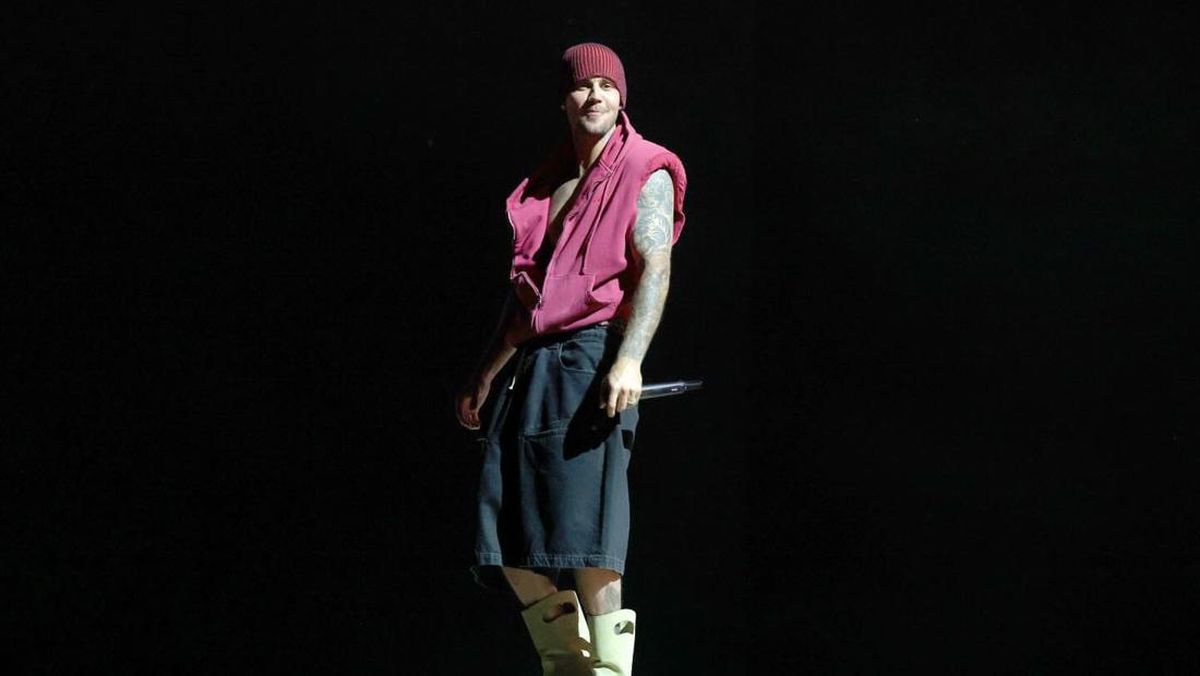
- Justin Bieber: A global pop phenomenon with a career that began in his early teens, Bieber has a vast catalog of chart-topping hits and a significant social media following.
- Burna Boy: The Nigerian singer-songwriter has emerged as a leading figure in Afrobeats, achieving international acclaim for his innovative sound and socially conscious lyrics. His presence highlights the growing global influence of African music.
- Gustavo Dudamel: The Venezuelan conductor is a celebrated maestro, known for his passionate interpretations and his commitment to music education and social change through orchestral programs. His involvement suggests a potential for orchestral arrangements and a more classical element within the show.
- PS22 Chorus: This youth choir, known for their inspiring renditions of popular songs and their philanthropic work, will perform alongside Coldplay. Their participation emphasizes themes of unity and future generations.
- Coldplay: As the band of the artistic curator, their inclusion is a natural fit. Coldplay’s anthemic songs and spectacular live shows are renowned worldwide, and their involvement is expected to anchor the performance.
The anticipation for this star-studded event has already begun to build, with social media buzzing with fan excitement. Shakira and Burna Boy have reportedly shared glimpses of their rehearsal sessions online, offering sneak peeks of the elaborate stage preparations and intricate choreography currently underway. These early insights have only amplified the public’s eagerness to witness the final product.
A Fusion of Entertainment, Sport, and Social Advocacy
Beyond the sheer star power, FIFA has emphasized that the halftime show will be a "global entertainment concept that fuses football, music, and social action." This ethos aligns perfectly with Global Citizen’s mission. The organization is known for using major events to advocate for pressing global issues such as poverty, climate change, and gender equality. The integration of social impact messaging into the halftime show is expected to resonate with a global audience, turning a moment of entertainment into an opportunity for awareness and positive change.
The initiative aims to provide World Cup final attendees, both in the stadium and watching from home, with a unique and memorable experience that goes beyond the traditional sporting spectacle. The intention is to create a holistic entertainment package that appeals to a broader demographic, further solidifying the World Cup’s position as a premier global cultural event.
Behind the Scenes: The Creative Process
The conceptualization of this grand halftime show began in 2024, with FIFA and its partners working diligently to bring this ambitious vision to fruition. Chris Martin’s role as artistic curator is crucial in orchestrating the diverse talents and ensuring a cohesive narrative for the performance. His experience in crafting stadium-filling shows with Coldplay suggests an ability to manage large-scale productions and deliver impactful artistic statements.
While the full song list remains under wraps, teasers from the artists’ rehearsals have provided some clues. BTS is slated to perform their uplifting hit "Permission to Dance," a song that champions positivity and unity. Shakira and Burna Boy are rumored to be debuting a collaborative track titled "Dai Dai," a potential fusion of their distinct musical styles. The specifics of other artists’ performances are being kept under tight wraps, adding an element of surprise to the event.
The stage design is expected to be equally innovative, pushing the boundaries of what has been seen at previous sporting halftime shows. Details suggest a dynamic setup that can accommodate the varied artistic needs of the performers, potentially incorporating advanced lighting, pyrotechnics, and immersive visual elements. The logistical challenges of constructing and dismantling such a complex stage within the limited halftime window are considerable, underscoring the incredible planning and execution required.
Context and Historical Significance
The introduction of a major halftime show at the World Cup Final is a significant departure from tradition. While other major sporting events, such as the Super Bowl in American football, have long featured elaborate halftime entertainment, the FIFA World Cup has historically prioritized the sporting narrative. This shift reflects a broader trend in global sports entertainment, where the convergence of athletic competition and popular culture is becoming increasingly important for fan engagement and commercial appeal.
The 2026 World Cup is particularly significant as it will be the first to be hosted by three nations: the United States, Canada, and Mexico. This expansion across North America presents unique opportunities for cultural exchange and a broader regional impact. The choice of these specific artists also speaks to FIFA’s commitment to global diversity, showcasing talent from North America, South America, Europe, and Asia.
Potential Implications and Fan Reactions
The implications of this historic halftime show are far-reaching. For FIFA, it represents an opportunity to further monetize the event and attract new audiences. For the artists, it offers an unparalleled platform to reach billions of viewers worldwide. For fans, it promises an unforgettable entertainment experience that complements the drama of the World Cup Final.
However, such a significant departure from tradition is also likely to elicit varied reactions. While many will undoubtedly embrace the innovation and excitement, some traditionalists may view it as a distraction from the purity of the sport. The success of the halftime show will hinge on its ability to strike a delicate balance between spectacular entertainment and respect for the integrity of the game.
The economic impact is also worth noting. The extensive production, artist fees, and marketing surrounding the halftime show will contribute significantly to the overall economic footprint of the 2026 World Cup. Furthermore, the global media attention generated by such a high-profile entertainment event will undoubtedly boost tourism and related industries in the host countries.
Looking Ahead
As the 2026 FIFA World Cup Final draws nearer, the excitement surrounding its inaugural halftime show continues to grow. With a lineup of global superstars and a commitment to blending sport with music and social advocacy, this event is poised to set a new benchmark for entertainment at major sporting tournaments. The world will be watching to see how this ambitious venture unfolds, anticipating a performance that will undoubtedly become a defining moment in the history of the beautiful game and the global music scene. The integration of social causes into such a prominent global platform also signals a growing trend of major events seeking to use their influence for positive societal change. The 2026 World Cup Final halftime show is not just about music; it’s about creating a global moment that inspires, entertains, and potentially drives meaningful action.