
The digital landscape of the twenty-first century demands adaptation from every segment of society, including traditional educational institutions. In a decisive move to bridge the digital divide, the Indonesian government has launched a concerted effort to transform Islamic boarding school students from passive digital consumers into active creators and economic contributors. A total of two hundred students, known as santri, representing twenty-two Islamic boarding schools or pesantren across the Surakarta region, commonly known as Solo Raya, have embarked on an intensive training regimen focused on video content creation and marketplace commerce. This initiative forms the core of the newly minted Santri Matic program, officially inaugurated at the historic Al Muayyad Islamic Boarding School in Solo.
The program addresses a critical vulnerability in the contemporary digital economy: the risk of traditional communities being left behind as automation, artificial intelligence, and e-commerce reshape commercial and social structures. By equipping young scholars with practical, marketable digital skills, the initiative seeks to harmonize centuries-old religious traditions with modern technological literacy, ensuring that the moral compass of the pesantren tradition remains influential in virtual spaces.
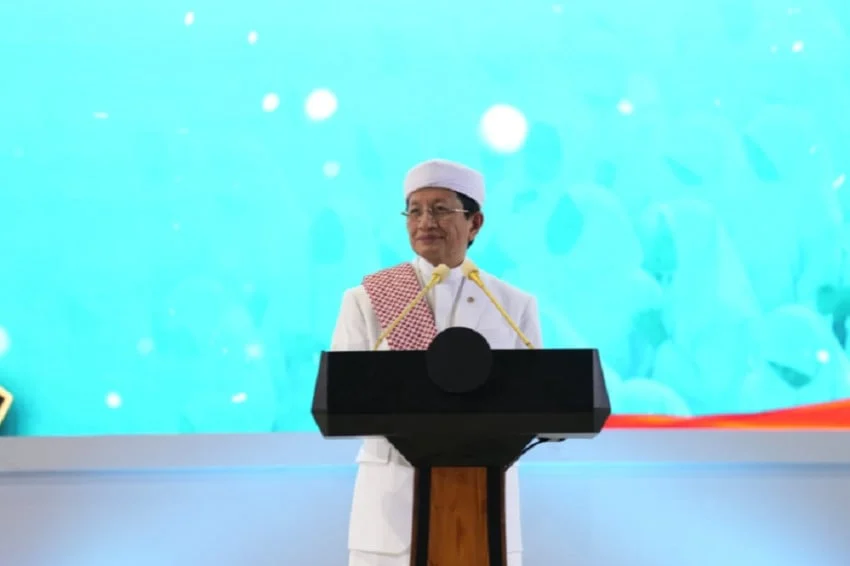
Minister of Religious Affairs Nasaruddin Umar articulated a clear vision for the future of the nation’s Islamic scholarship during the launch event. He emphasized that the younger generation within the pesantren ecosystem must not remain sidelined as mere spectators or end-users of advanced technologies. Instead, they are expected to actively harness modern tools, ranging from artificial intelligence and electronic commerce platforms to mainstream social media networks.
"We cannot allow santri to simply remain spectators or mere consumers of technological advancements," stated Minister Nasaruddin Umar, highlighting the urgency of proactive technological adoption among traditional scholars. His remarks underscore a growing recognition within state leadership that spiritual grounding must be paired with technical competence to ensure holistic national development and economic resilience.
Background Context and Collaborative Framework
The launch of the Santri Matic program is not an isolated endeavor but the result of a multi-agency collaboration designed to maximize institutional reach and impact. The initiative is spearheaded by the Ministry of Creative Economy and the Creative Economy Agency, operating in close synergy with the Ministry of Ministry of Religious Affairs and the Surakarta chapter of the Indonesian Islamic Business Network, known locally as Masyarakat Ekonomi Syariah (MES).
Furthermore, the operational success of the pilot cohort relies heavily on private-sector partnership. For this inaugural batch, organizers joined forces with Shopee Indonesia, one of the country’s leading e-commerce platforms, to provide hands-on technical training, curriculum support, and practical insights into digital marketing and logistics management. This public-private partnership model ensures that the training reflects actual industry standards and consumer demands rather than purely theoretical frameworks.
The choice of Solo Raya as the launchpad is strategically significant. The region boasts a dense concentration of influential pesantren with deep historical roots in Indonesian Islamic scholarship and nationalist movements. By anchoring the digital literacy campaign in Solo, the organizers aim to create a ripple effect that can be replicated across Central Java and, eventually, nationwide.
Chronology and Curriculum of the Santri Matic Training
The implementation of the Santri Matic program follows a structured timeline designed to maximize learning retention and practical application. Preparations for the initiative began several months prior to the official launch, involving stakeholder coordination between state ministries, regional economic bodies, and corporate trainers.
The initial phase commenced with the selection of twenty-two participating pesantren across Solo Raya. Institutions were chosen based on their readiness to integrate digital tools into their extracurricular frameworks and their capacity to support participating students. Out of numerous applicants, two hundred exceptional santri were selected to form the pioneer cohort.
The core training weekend featured intensive, module-based workshops divided into two primary tracks: creative content production and digital entrepreneurship.
Module One: Visual Storytelling and Content Creation
Recognizing that modern communication relies heavily on visual media, the first track trained participants in the fundamentals of video production. Santri learned how to conceptualize narratives, operate recording equipment—ranging from smartphones to professional cameras—and edit video content using industry-standard software. The curriculum emphasized ethical content creation, teaching students how to produce engaging material that aligns with Islamic values while capturing the attention of contemporary digital audiences.
Module Two: E-Commerce and Marketplace Mastery
The second track focused on economic empowerment through digital platforms. Participants were instructed in the mechanics of setting up and managing online storefronts within established marketplaces. Topics covered included product photography, copywriting, inventory management, customer service strategies, and digital payment systems. Representatives from Shopee Indonesia provided direct mentorship, walking the students through the lifecycle of an online transaction from listing to fulfillment.
Data and Sociological Implications
The urgency of initiatives like Santri Matic is underscored by comprehensive data regarding Indonesia’s digital economy. According to recent reports from the Ministry of Communication and Digital Affairs, Indonesia boasts over two hundred million internet users, making it one of the largest digital markets in Southeast Asia. However, a significant productivity gap persists between urban tech-savvy populations and rural or traditional communities.
Islamic boarding schools house millions of students across the archipelago. Traditionally renowned for their mastery of classical Islamic texts—known as the kitabi kuning—these institutions have historically focused on spiritual and moral leadership. While this foundation remains vital, the modern economic landscape requires diversified skill sets. By integrating e-commerce training into the pesantren ecosystem, the program addresses youth unemployment and underemployment while fostering a new generation of santripreneurship.
Economic analysts point out that the integration of sharia-compliant digital businesses can significantly boost the halal economy, a sector in which Indonesia holds immense global potential. When young scholars learn to market local crafts, agricultural goods, and pesantren-produced merchandise online, they expand market access beyond local geographic boundaries, contributing directly to regional economic growth.
Official Responses and Stakeholder Perspectives
Reactions from educational leaders, government officials, and economic experts have been overwhelmingly positive, though observers note that long-term success will depend on sustained institutional support.
Representatives from the Ministry of Creative Economy noted that creative hubs must be decentralized. Empowering santri to become content creators introduces diverse, values-driven narratives into the national digital discourse, countering the proliferation of superficial or polarizing content online.
Local pesantren leaders expressed gratitude for the initiative, viewing it as a bridge rather than a barrier to tradition. Many administrators noted that concerns regarding negative technological exposure can be mitigated by proactive education. By teaching students how to use technology as a tool for economic self-sufficiency and religious outreach (da’wah), the program transforms a potential distraction into a productive asset.
Masyarakat Ekonomi Syariah Surakarta emphasized the importance of financial literacy in the digital age. Ensuring that young entrepreneurs understand ethical business practices, transparent transactions, and cooperative economic models aligns directly with Islamic principles of commerce.
Broader Impact and Future Outlook
The implications of the Santri Matic program extend far beyond the two hundred participants currently enrolled in Solo Raya. If proven successful, the blueprint established by this pilot initiative is slated for national expansion, potentially reaching thousands of pesantren across Java, Sumatra, Sulawesi, and other regions.
The convergence of religious education and technological proficiency holds the promise of redefining the role of the religious scholar in modern society. Future graduates of these institutions will not only be equipped to lead congregations and teach classical texts but will also possess the economic autonomy and digital fluency required to navigate complex global markets.
Challenges remain, particularly regarding infrastructure disparities, reliable internet access in remote rural pesantren, and the need for continuous mentorship rather than one-off workshops. Addressing these hurdles will require sustained collaboration between the state, private enterprises, and civil society organizations.
Ultimately, the Santri Matic initiative represents a pivotal step in ensuring that Indonesia’s traditional educational institutions remain vibrant, relevant, and economically empowered in an increasingly interconnected world. By transforming students from passive observers into active digital architects, the program lays a robust foundation for a more inclusive and technologically proficient society.
