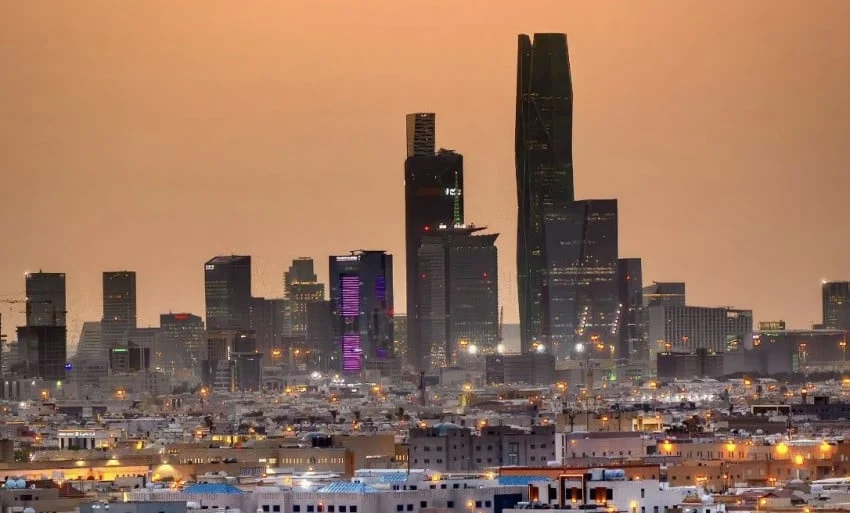
RIYADH — In a high-stakes diplomatic maneuver, the Kingdom of Saudi Arabia has ramped up efforts to de-escalate soaring tensions in the Middle East, actively seeking to prevent a potential military confrontation involving the United States, Israel, and Iran. The initiative comes as regional anxieties reach a fever pitch over the specter of an expanded conflict that could destabilize global energy markets and spark catastrophic security fallout across the Persian Gulf and beyond.
Speaking at a premier regional security forum in Bahrain, Saudi Deputy Foreign Minister Waleed ElKhereiji articulated Riyadh’s official stance, emphasizing the collective yearning for stability across the Middle East. While underscoring that active behind-the-scenes channels are operating at full throttle, ElKhereiji struck a note of cautious realism, acknowledging the unpredictable nature of the current geopolitical landscape.
The kingdom’s proactive posture reflects a profound strategic shift in Saudi foreign policy over recent years. Having experienced firsthand the economic and security costs of regional volatility—including direct attacks on its critical oil infrastructure—Riyadh has pivoted toward economic diversification and regional détente. This approach has led to a noticeable cooling of hostilities with traditional adversaries, most notably the diplomatic rapprochement with Tehran brokered under Chinese auspices in early 2023. However, the resurgence of shadow wars, escalating rhetoric, and the persistent threat of direct kinetic exchanges between Iran and its axis of resistance against the US-led and Israeli security framework threaten to unravel these fragile gains.
The Geopolitical Chessboard: Understanding the Threat of Direct Confrontation
The risk of a catastrophic escalation between Washington, Jerusalem, and Tehran is not merely theoretical. It is rooted in decades of proxy warfare, nuclear disputes, and shifting security architectures in the Middle East. Over the past several years, the collapse of the 2015 Joint Comprehensive Plan of Action (JCPOA), commonly known as the Iran nuclear deal, has left Tehran advancing its uranium enrichment programs closer to weapons-grade levels. Concurrently, regional flashpoints—intensified significantly by the Israel-Hamas war and subsequent multi-front engagements involving Hezbollah in Lebanon, the Houthis in Yemen, and various militias in Iraq and Syria—have brought conventional state adversaries to the precipice of direct warfare.
For the United States, maintaining deterrence in the Middle East requires a delicate balance. Washington seeks to protect its strategic assets and allies, such as Israel and the Gulf Cooperation Council (GCC) member states, while avoiding a massive military entanglements reminiscent of the early 2000s. An American military campaign or preventive strikes against Iranian nuclear or military installations could trigger severe asymmetric retaliation, targeting vital shipping lanes like the Strait of Hormuz, through which a significant portion of the world’s petroleum passes.
Saudi Arabia, situated geographically between these competing superpowers and regional rivals, stands to lose the most from a full-scale kinetic war. Consequently, Riyadh has transformed from a passive observer of US-led security strategies into an autonomous diplomatic actor, striving to keep Washington and Tehran from crossing the threshold of irreversible conflict.
Chronology of Escalation: How the Crisis Unfolded
To understand the urgency behind Saudi Arabia’s current diplomatic interventions, it is crucial to examine the timeline of events that have brought the region to this dangerous juncture:
- January 2020: The targeted assassination of Iranian General Qasem Soleimani by a US drone strike in Baghdad brings Washington and Tehran to the brink of open warfare, resulting in retaliatory Iranian missile strikes against US bases in Iraq.
- March 2023: In a historic diplomatic breakthrough, Saudi Arabia and Iran agree to restore diplomatic ties following talks mediated by China in Beijing, signaling a mutual desire to reduce regional friction.
- October 2023: The outbreak of the Israel-Hamas war drastically alters the geopolitical calculus. Regional proxy groups increase attacks on US forces and Israeli targets, drawing direct retaliatory strikes from Washington.
- April 2024: Iran launches an unprecedented direct drone and missile barrage against Israel in response to a suspected Israeli strike on the Iranian consulate in Damascus. Israel retaliates with a limited counter-strike, showcasing the reality of direct state-on-state conflict.
- Late 2024 to Present: Escalating cycles of assassinations, strikes, and counter-strikes involving Israel, Iran, and regional aligned groups keep the threat of a wider war at an all-time high, prompting intensive diplomatic rescue missions by Gulf states.
Behind Closed Doors: Riyadh’s Multi-Pronged Strategy
During his address at the Bahrain security forum, Deputy Foreign Minister ElKhereiji detailed the multifaceted approach Riyadh is taking to defuse the crisis. The strategy combines high-level diplomatic outreach, economic incentives, and constant communication channels with both Western allies and Tehran.
Saudi Arabia has maintained open communication lines with the Iranian leadership, utilizing the momentum generated by the 2023 Beijing agreement to build basic trust. By engaging in direct bilateral dialogues with Iranian officials, Riyadh aims to reassure Tehran of its neutrality while simultaneously counseling restraint. At the same time, Saudi leadership maintains robust strategic and intelligence dialogues with Washington, consistently advising American policymakers against military actions that could trigger an unmanageable regional conflagration.
"If we look at the efforts that are currently being undertaken by various parties, the message is very clear," ElKhereiji stated during the conference. "The people in this region want to bring back peace."
However, ElKhereiji was careful to temper expectations, adding a realistic caveat: "No one can predict the outcome of these efforts." This uncertainty underscores the volatile nature of the players involved, where a single miscalculation by military commanders on the ground or at sea could instantly nullify months of delicate diplomatic groundwork.
Official Responses and Regional Reactions
The broader international community and regional actors have closely monitored Saudi Arabia’s diplomatic offensive, offering mixed assessments of its viability.
Neighboring GCC states, particularly the United Arab Emirates (UAE) and Qatar, have echoed Riyadh’s calls for de-escalation. Like Saudi Arabia, these nations rely heavily on foreign investment, tourism, and uninterrupted global trade—all of which would be severely impacted by a regional war. The UAE, which has also normalized diplomatic engagement with Iran in recent years, has consistently emphasized economic integration over military confrontation.
Western capitals, including Washington and European Union member states, have cautiously welcomed Saudi mediation efforts. While the US remains steadfast in its security commitments to Israel and its posture of containment against Iran, Washington recognizes the value of regional interlocutors who can convey messages and explore diplomatic off-ramps that the US cannot pursue directly due to a lack of formal diplomatic ties with Tehran.
Conversely, hardline factions within both Iran and Israel remain skeptical of comprehensive diplomatic settlements under the current conditions. Hardliners in Tehran view the US and its regional allies with deep distrust, arguing that diplomatic overtures are merely a tactical cover to weaken the "Axis of Resistance." Meanwhile, Israeli security establishments maintain that deterrence can only be restored through overwhelming military superiority and decisive action against existential threats, complicating efforts to reach a negotiated standstill.
Economic and Strategic Implications of a Potential Conflict
The stakes of the ongoing diplomatic standoff extend far beyond regional security, carrying profound implications for the global economy.
- Energy Markets and Oil Prices: The Persian Gulf is the beating heart of global energy supply. Any military conflict involving Iran, the US, and Israel threatens the security of the Strait of Hormuz, a critical chokepoint through which roughly 20% of the world’s petroleum passes daily. A blockade or disruption of this corridor would trigger an immediate global energy crisis, sending oil prices skyrocketing well past $100 a barrel, fueling global inflation, and threatening post-pandemic economic recovery worldwide.
- Global Supply Chains and Maritime Trade: Beyond oil, major shipping lanes connecting Asia, Europe, and the Middle East through the Red Sea and the Persian Gulf are already under strain due to regional disruptions. A wider war would compound these logistical nightmares, driving up freight costs and delaying the delivery of essential goods globally.
- Vision 2030 and Saudi Domestic Transformation: For Saudi Arabia specifically, peace is an absolute economic imperative. Crown Prince Mohammed bin Salman’s ambitious "Vision 2030" economic blueprint relies heavily on foreign direct investment, mega-projects like NEOM, and transforming the kingdom into a global tourism and business hub. A major regional war would scare off international investors, drain national treasuries into defense spending, and derail years of economic diversification efforts.
Outlook: Can Diplomacy Prevail?
As geopolitical fault lines continue to strain under the weight of competing ambitions and historical grievances, Saudi Arabia’s diplomatic gamble remains one of the few stabilizing forces in a turbulent region.
The success of Riyadh’s initiative depends heavily on the willingness of Washington, Jerusalem, and Tehran to prioritize pragmatic restraint over ideological or military escalation. While Deputy Foreign Minister ElKhereiji’s assessment that "no one can predict the outcome" highlights the fragility of the peace process, the sheer fact that active diplomatic channels remain open offers a glimmer of hope.
For now, the kingdom continues to walk a diplomatic tightrope—balancing its vital strategic alliance with the United States against the urgent necessity of maintaining peaceful coexistence with its powerful neighbor across the Gulf—in a tireless bid to pull the Middle East back from the brink of total war.