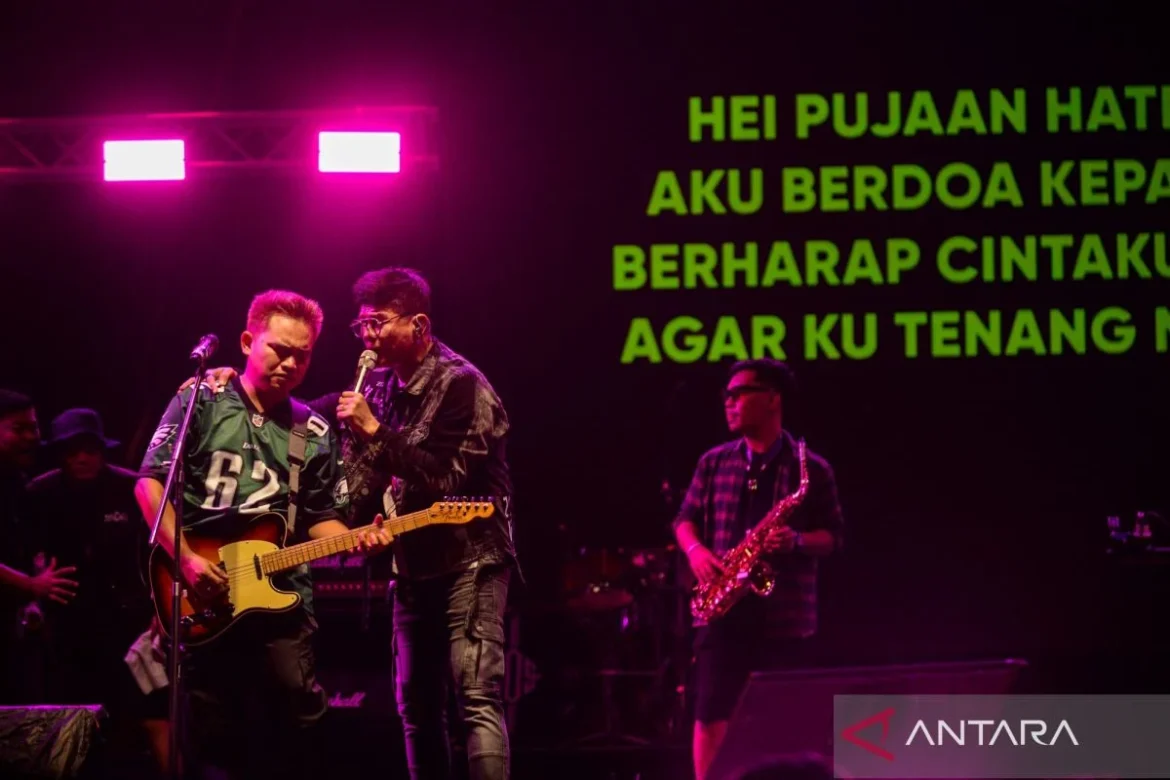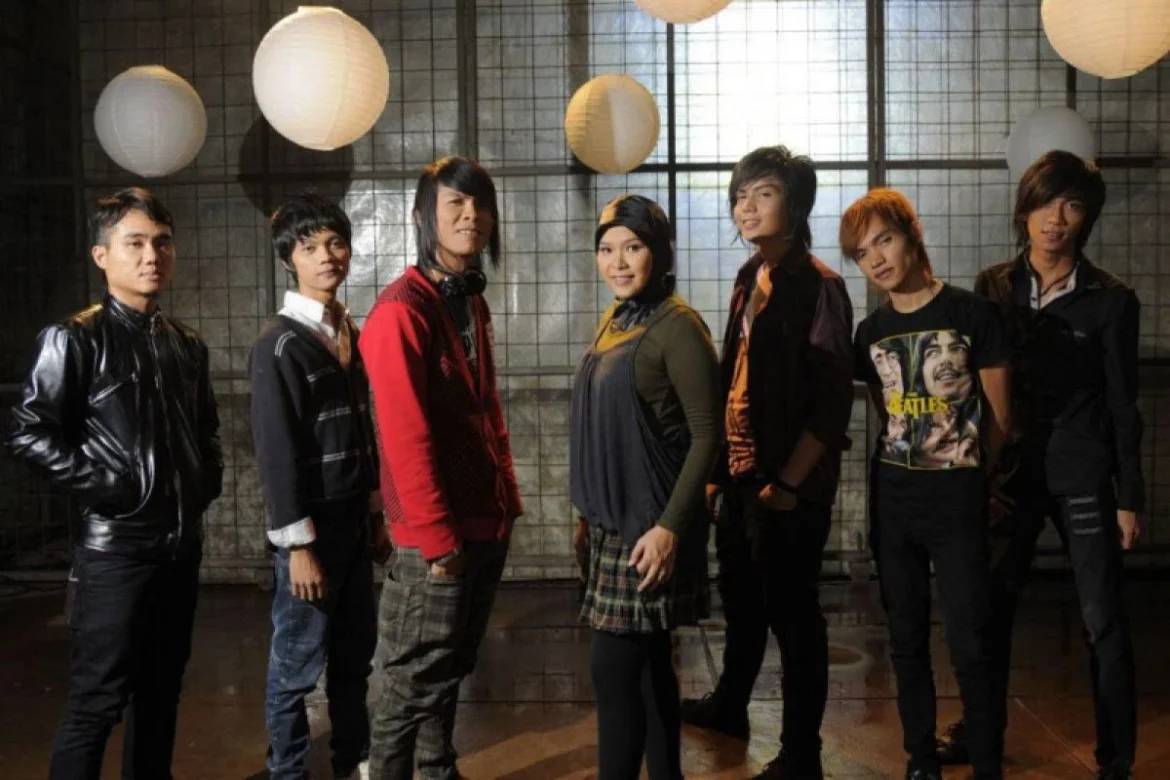
The Indonesian music landscape was rocked by an unexpected announcement when Dodhy Hardiyanto, the lead guitarist and founding member of the iconic pop-melayu group Kangen Band, officially declared the disbandment of the band. The declaration, made via Dodhy’s personal Instagram account, sent shockwaves through the Indonesian entertainment industry and bewildered the band’s massive fanbase, known universally as "Doi."
Compounding the surprise, the band’s iconic frontman, Andika Mahesa—commonly known as Andika Babang Tamvan—publicly admitted that he had no prior knowledge of the decision. Andika revealed that he discovered the disbandment through social media, catching the entire management team and supporting crew off guard. The suddenness of the announcement has sparked widespread speculation, intense media scrutiny, and immediate questions regarding the future ownership of some of Indonesia’s most recognizable pop anthems.
The Root of the Conflict: Allegations of "Kezaliman"
According to Dodhy’s social media statement, the decision to dissolve Kangen Band stems from deep-seated internal grievances that he described as "kezaliman" (tyranny or injustice) within the group. The guitarist indicated that he had harbored emotional pain and frustration regarding these unresolved issues for a considerable period. However, Dodhy’s initial statement remained notably vague, omitting specific details about the nature of the grievances, the individuals involved, or the tipping point that prompted him to go public with the breakup.
Alongside the dissolution announcement, Dodhy issued a strict legal and professional warning: he explicitly prohibited former Kangen Band members from performing any of his original musical compositions. Furthermore, this restriction was extended to event organizers, promoters, and festival planners, barring them from featuring former band members who intend to perform songs written by Dodhy. Given that Dodhy is the creative engine behind the vast majority of Kangen Band’s chart-topping hits, this restriction effectively strips any potential splinter group of their most valuable commercial asset—their legendary catalog.
Andika Mahesa’s Response: Caught Completely Off Guard
In stark contrast to Dodhy’s public declaration of war and grievances, vocalist Andika Mahesa maintained a posture of confusion and calm disbelief. Speaking to entertainment journalists, Andika confirmed that he learned about the breakup strictly through digital channels. He emphasized that up until the moment of the post, interpersonal relations among the band members appeared cordial, stable, and professional.
Andika’s bewilderment is further substantiated by the band’s recent itinerary. Just four days prior to the bombshell announcement, Kangen Band had successfully completed an overseas tour stop, performing a high-profile live concert in Hong Kong for Indonesian migrant workers and international fans. According to Andika, all members traveled, performed, and interacted harmoniously during the trip, giving no outward indication of an impending collapse.
Rather than escalating the dispute through a war of words in the media, Andika opted for a diplomatic and measured approach. He announced plans to convene an emergency internal meeting involving all band members, management representatives, and legal counsel to clarify the situation, understand the source of Dodhy’s grievances, and determine the factual basis behind the sudden dissolution.
A Legacy Carved in Stone: The History of Kangen Band
To understand the gravity of Kangen Band’s potential dissolution, one must examine the group’s profound cultural footprint in the Indonesian music industry. Founded on July 4, 2005, in Bandar Lampung, Lampung province, the band quickly rose from local obscurity to national superstardom during the mid-2000s boom of pop-melayu music.
The original lineup, spearheaded by Dodhy on guitar and Andika on vocals, formulated a distinct musical identity characterized by melancholic lyrics, infectious rhythm-and-blues-infused pop melodies, and accessible storytelling that resonated deeply with the Indonesian working class. Throughout their two-decade career, Kangen Band churned out an endless stream of generational hits, including "Tentang Bintang," "Selingkuh," "Yolanda," "Doy," and "Terbang Bersamaku." These tracks dominated radio airwaves, physical CD sales, and early digital ringback tone markets, cementing the band as a cultural touchstone of 2000s Indonesian pop culture.
Despite their immense commercial success, the band’s history has been repeatedly punctuated by internal strife, contractual disputes, and high-profile departures. Andika famously exited the group in 2012 amid legal troubles and personal conflicts, leading to temporary vocal replacements. However, the enduring commercial demand for the original lineup eventually facilitated a reconciliation, leading to triumphant reunions, nostalgic festival appearances—such as their celebrated set at Synchronize Festival—and a renewed touring schedule that kept the band relevant across generations.
Chronology of Events Surrounding the Split
The unfolding crisis can be mapped through a rapid sequence of events that highlights the suddenness of the fracture:
- Early September 2026: Kangen Band travels internationally, executing a successful and well-received live concert in Hong Kong, with all core members participating harmoniously.
- September 12, 2026: Dodhy Hardiyanto publishes a sudden statement on his personal Instagram account, announcing the disbandment of Kangen Band, citing long-term emotional pain and internal "kezaliman," while strictly banning the performance of his copyrighted songs by former members.
- September 13–14, 2026: Vocalist Andika Mahesa publicly addresses the media, expressing shock, confirming he learned of the news via social media, and announcing intentions to hold an emergency face-to-face meeting with management and members.
- Current Status: The band remains in a state of suspended animation, pending formal internal discussions, while the legal validity and enforceability of Dodhy’s performance bans on jointly popularized tracks remain a subject of intense industry debate.
Broader Implications for the Indonesian Music Industry
The sudden fracture of Kangen Band carries significant implications that extend far beyond the personal dynamics of its members, touching upon intellectual property rights, copyright enforcement, and the operational stability of legacy Indonesian bands.
Copyright and Song Ownership in Indonesian Bands
Dodhy’s blanket prohibition against former members performing his songs brings a critical legal debate to the forefront of the Indonesian entertainment landscape. In Indonesian copyright law, songwriters retain moral rights and economic rights over their compositions. However, when a song is commercially released, popularized, and branded under a collective band identity, the intersection of individual authorship and collective band heritage often creates complex legal gray areas.
If Dodhy strictly enforces his ban, former members attempting to tour under the Kangen Band banner—or under derivative monikers—will face severe commercial limitations. Without the ability to perform foundational tracks like "Tentang Bintang" or "Terbang Bersamaku," the commercial viability of any splinter iteration of the band is severely compromised. This dynamic mirrors historical disputes seen globally and locally, where founding songwriters exercise total control over their catalog to leverage bargaining power during internal disputes.
The Future of Pop-Melayu Heritage
For millions of fans who grew up listening to Kangen Band, the news marks a disheartening chapter in the history of Indonesian popular music. Pop-melayu, a genre often historically marginalized by high-brow music critics but fiercely defended by the grassroots public, found its quintessential voice through the collaboration between Dodhy’s compositional genius and Andika’s distinct vocal delivery.
The potential permanent dissolution of the band threatens to extinguish one of the last remaining active pillars of 2000s Indonesian mainstream pop history. While Andika has signaled a willingness to resolve the dispute amicably behind closed doors, the depth of Dodhy’s stated grievances suggests that bridging the ideological and emotional gap will require significant diplomatic effort from management and legal intermediaries.
As stakeholders, promoters, and fans await the outcome of the impending internal summit, the immediate future of Kangen Band hangs in the balance. Whether this crisis marks the definitive end of a 21-year musical journey or merely another dramatic chapter in the turbulent history of Indonesia’s ultimate band of survivors will depend entirely on the upcoming negotiations between its foundational pillars.