The landscape of Indonesian popular music was shaken to its core when Dodhy Hardiyanto, the founding member, lead guitarist, and principal songwriter of the legendary group Kangen Band, officially announced the disbandment of the band on Saturday, September 12, 2026. This sudden and unexpected declaration brought an abrupt halt to a musical journey spanning over twenty years, a trajectory that saw the group rise from humble beginnings in Bandar Lampung to become the undisputed titan of the mid-2000s Pop Melayu movement.
The announcement, delivered via Dodhy’s official personal Instagram account, sent immediate shockwaves through the Indonesian music industry, commonly known as the Tanah Air, and left millions of loyal fans—affectionately known as DooDika or Kangen Band official fanbase—in a state of profound disbelief. Compounding the shock was the revelation from the band’s iconic frontman, Andika Mahesa, widely recognized as "Babang Tamvan," who confessed that he was completely unaware of any internal rift and learned of the band’s termination through social media platforms.
As the dust begins to settle on this monumental announcement, music analysts, industry insiders, and fans alike are left examining the rich, tumultuous, and culturally significant history of a band that defined an entire era of Indonesian youth culture.
Origins in Bandar Lampung: The Genesis of a Pop Melayu Phenomenon
To truly understand the weight of Kangen Band’s dissolution, one must trace the roots back to July 4, 2005, in Bandar Lampung, the capital city of Indonesia’s Lampung province. Long before the era of algorithmic streaming and viral digital campaigns, the Indonesian music scene was largely dominated by urban-centric rock and alternative bands. Into this landscape stepped a group of hardworking, grassroots musicians with a distinct regional flavor that combined accessible pop structures with the emotive, soulful scales of traditional Malay music.
The original lineup was forged through sheer perseverance and local camaraderie, featuring Dodhy on lead guitar, Andika Mahesa on lead vocals, Tama on rhythm guitar, Bebe on bass, Baim on drums, and Izzy on keyboards. Operating independently in their formative years, the members wrote and composed their own material, channeling the raw emotional realities, romantic heartbreak, and socio-economic struggles of everyday Indonesian youth. Their distinct sound—characterized by weeping guitar melodies, infectious mid-tempo beats, and Andika’s unmistakable, heartfelt vocal delivery—quickly resonated beyond local coffee shops and regional stages, catching the attention of major label scouts who realized that a massive, underserved demographic across the archipelago was craving authentic, working-class narratives in mainstream media.
The Meteoric Rise: Conquering the Indonesian Charts (2007–2011)
The breakthrough moment arrived in 2007 with the release of Kangen Band’s debut studio album, "Tentang Aku, Kau dan Dia" (About Me, You, and Her). The album served as a watershed moment for the Indonesian recording industry, proving that Pop Melayu could achieve unprecedented commercial viability on a national scale. Propelled by ubiquitous radio airplay, television appearances, and physical cassette and CD sales that dominated street vendor carts throughout the nation, the album spawned legendary generational anthems such as "Tentang Bintang" (About the Stars), "Selingkuh" (Infidelity), and "Yolanda."
These tracks did not merely top charts; they became cultural touchstones. They were sung in karaoke bars, played from public transportation vehicles, and hummed by millions across the vast Indonesian archipelago. The runaway success of their debut established Kangen Band not as a fleeting novelty, but as a formidable commercial powerhouse.
Riding this incredible momentum, the band entered a highly prolific recording cycle. In 2008, they released their sophomore album, "Bintang 14 Hari" (The 14-Day Star), followed swiftly by "Pujaan Hati" (Heart’s Desire) in 2009. During this golden era from 2008 to 2011, Kangen Band cemented their legacy by dropping consecutive hit singles, including "Doy" and "Terbang Bersamamu" (Flying With You). Their music video aesthetics, distinctive fashion choices, and relentless touring schedule made them household names. At their peak, Kangen Band was one of the most heavily booked touring acts in the country, performing before tens of thousands of screaming fans in stadiums and outdoor festivals from Sabang to Merauke.
Turbulence, Departures, and Formative Changes (2012–2020)
The history of Kangen Band, however, has never been a straightforward narrative of uninterrupted success. Like many bands subjected to the relentless pressures of sudden fame, heavy touring schedules, and internal creative tensions, the group faced significant structural fractures.
In 2012, the band experienced its most critical turning point when charismatic frontman Andika Mahesa officially departed from the group following various internal disputes and personal challenges. For many critics and casual observers, the departure of the voice and face of Kangen Band signaled the inevitable end of the road. Yet, defying expectations, the remaining members chose to persevere. Under the leadership of Dodhy, the band underwent several formation changes, bringing in replacement vocalists and attempting to sustain the Kangen Band brand through shifting musical landscapes and the rise of digital streaming platforms.
While subsequent years brought mixed commercial results compared to their mid-2000s heyday, the band maintained a dedicated core audience and continued to perform live. The resilience of the brand proved that the underlying catalog possessed enduring appeal, transcending the temporary line-up shifts that often plague long-running musical groups.
The Reunion and Recent International Performances
A major development occurred in early 2020 when Andika Mahesa officially returned to the fold, reuniting with Dodhy and the core creative units that launched the band into national stardom. The emotional reunion was met with overwhelming enthusiasm from longtime fans who had longed to see the original partnership restored.
Upon reuniting, the band seamlessly re-entered the active touring circuit, capitalizing on the widespread nostalgia boom for 2000s Indonesian pop music. They headlined major throwback festivals, television specials, and regional concerts, proving that their catalog of timeless Malay-pop hits still held immense pulling power in the modern era.
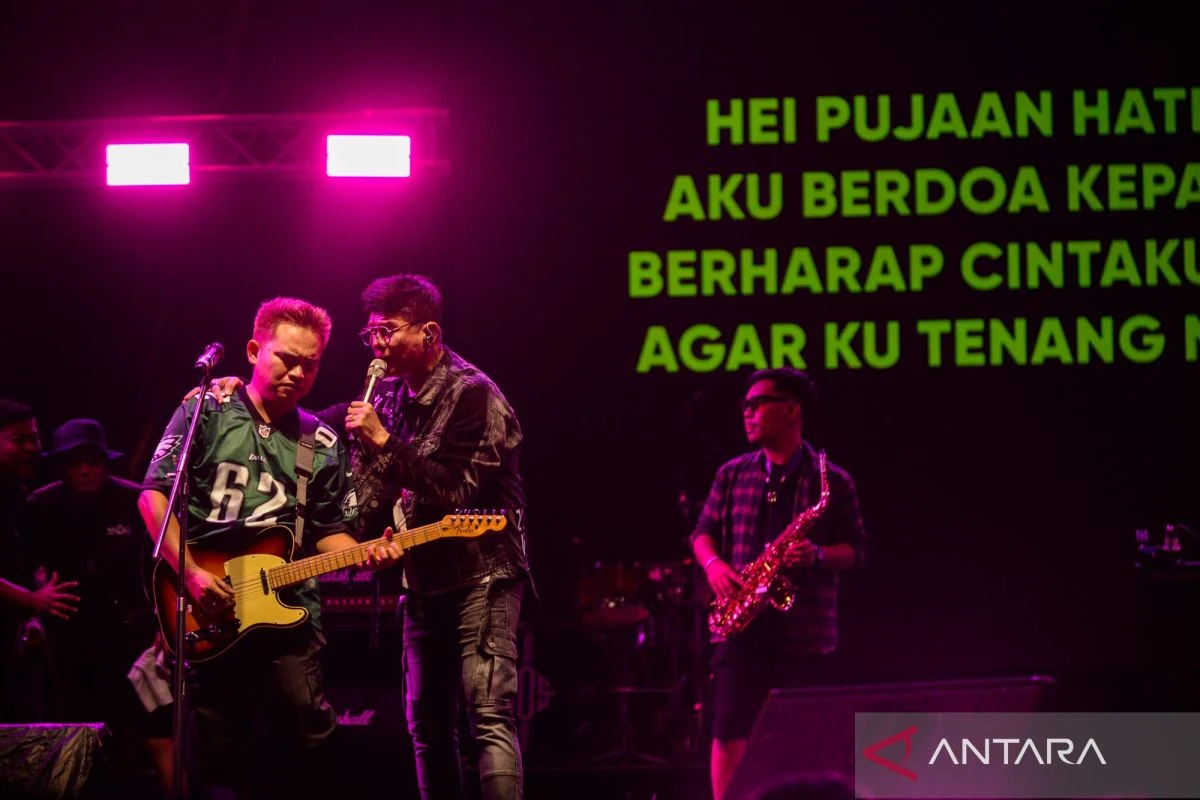
Just four days prior to the sudden dissolution announcement, the reunited members appeared together in high spirits during an international concert engagement in Hong Kong, performing for Indonesian migrant workers and international fans. According to subsequent statements, the overseas trip showed no outward signs of catastrophic internal fractures, making the subsequent announcement by Dodhy all the more jarring to his fellow bandmates.
Dodhy’s Shocking Announcement and Claims of "Kezaliman"
The announcement that dismantled Kangen Band was made public on Saturday, September 12, 2026. Dodhy Hardiyanto took to his verified Instagram account to release a blunt and emotionally charged statement declaring that Kangen Band was no more.
Within his statement, Dodhy dropped a cryptic yet heavy accusation, pointing to what he described as long-standing "kezaliman" (injustice, tyranny, or oppression) that had forced him to harbor deep emotional pain over an extended period. Furthermore, in an unprecedented move that complicated future catalog performances, Dodhy explicitly requested that former bandmates and external event organizers cease and desist from performing any songs that he had authored and composed.
Despite the gravity of the accusations, Dodhy’s initial statement noticeably lacked specific details regarding the nature of the grievances, the identity of the parties involved in the alleged injustice, or any operational breakdown within the business and creative management of the band.
Andika Mahesa’s Response: Confusion and Quest for Clarity
The fallout from Dodhy’s unilateral announcement immediately thrust vocalist Andika Mahesa into the media spotlight. Speaking to reporters and addressing concerned fans, Andika expressed profound shock and stated unequivocally that he had no prior knowledge of any major disputes, grievances, or intentions to disband the group prior to reading the social media post.
Andika noted that during their recent successful performance in Hong Kong just days before, professional and personal relations appeared normal, with no indication that a permanent split was imminent. Rather than engaging in a public war of words through social media, Andika adopted a conciliatory and measured stance. He stated that he intends to wait for a direct, face-to-face explanation from Dodhy, other members, and management personnel to understand the root causes behind the dramatic dissolution.
Broader Implications for the Indonesian Music Industry
The sudden disbandment of Kangen Band carries significant implications not only for the members themselves but also for the broader Indonesian music ecosystem, particularly regarding copyright law, songwriter rights, and the legacy of 2000s Pop Melayu.
-
Copyright and Songwriting Royalties: Dodhy’s explicit demand that his authored songs no longer be performed highlights the complex legal and financial dynamics governing Indonesian bands. As the primary songwriter behind Kangen Band’s massive catalog, Dodhy holds substantial moral and economic rights under Indonesian copyright law. If enforced strictly, this restriction could prevent future tribute performances or reunion shows featuring their classic hits, drastically altering the commercial value of the Kangen Band brand.
-
The Fragility of Nostalgia Acts: The incident underscores the inherent fragility of legacy reunion acts. While nostalgia is a powerful economic driver in the post-pandemic live music market, underlying unresolved interpersonal tensions, financial distribution disputes, and creative fatigue can easily fracture partnerships that took decades to build.
-
Cultural Legacy: Regardless of how the current dispute resolves, Kangen Band remains an indelible pillar of Indonesian music history. Their journey from Lampung street musicians to cultural icons demonstrated that emotional authenticity and accessible storytelling could transcend elitist industry biases.
As fans and industry observers await further developments, formal statements, and potential reconciliation talks between Dodhy and Andika, the twenty-year chapter of Kangen Band stands temporarily closed—leaving behind a treasure trove of classic melodies that permanently shaped the soundtrack of a generation.