The Pewarta Foto Indonesia (PFI), the nation’s premier organization for photojournalists, has officially concluded its highly anticipated photography competition, "Berkarya Lewat Lensa" (Creating Through the Lens). After a rigorous selection process spanning several months, the organization announced the 12 winning works that best capture the spirit, heritage, and evolution of PT Nojorono Tobacco International as it celebrates its 94th anniversary. The competition, which ran from August to October 2026, served as a creative bridge between the historic tobacco manufacturer and the modern visual storytelling community.
A Nationwide Call for Visual Narratives
Launched in August 2026, the competition attracted significant interest from across the Indonesian archipelago. By the time submissions closed in October, the organizers had received over 1,700 entries. These submissions were not limited to professional photojournalists; the competition was also open to the general public, fostering a diverse range of perspectives.
The theme, "Mawa Daya: Merajut Karsa Selaras dengan Waktu" (Bringing Power: Weaving Intentions in Harmony with Time), challenged participants to move beyond superficial aesthetics. Entrants were tasked with interpreting the 94-year journey of Nojorono Kudus—a company deeply rooted in the history of Indonesia’s industrial landscape—and translating that history into compelling visual narratives. The entries reflected a spectrum of themes, including the preservation of heritage, the challenges of industrial adaptation, and the enduring relevance of the company in a rapidly changing global market.
Chronology of the Selection Process
The path to selecting the final 12 winners involved several phases, ensuring that the integrity and artistic standards of the PFI were upheld.
-
Phase 1: Submission and Pre-screening (August – September 2026)
As entries poured in via the official portal, the initial administrative review ensured all submissions adhered to the technical requirements of the competition, including high-resolution standards and thematic relevance. -
Phase 2: Independent Curatorial Review (Early October 2026)
A preliminary screening committee evaluated the 1,700-plus submissions to shortlist works that demonstrated technical proficiency and strong composition. -
Phase 3: The Final Jury Deliberation (Mid-October 2026)
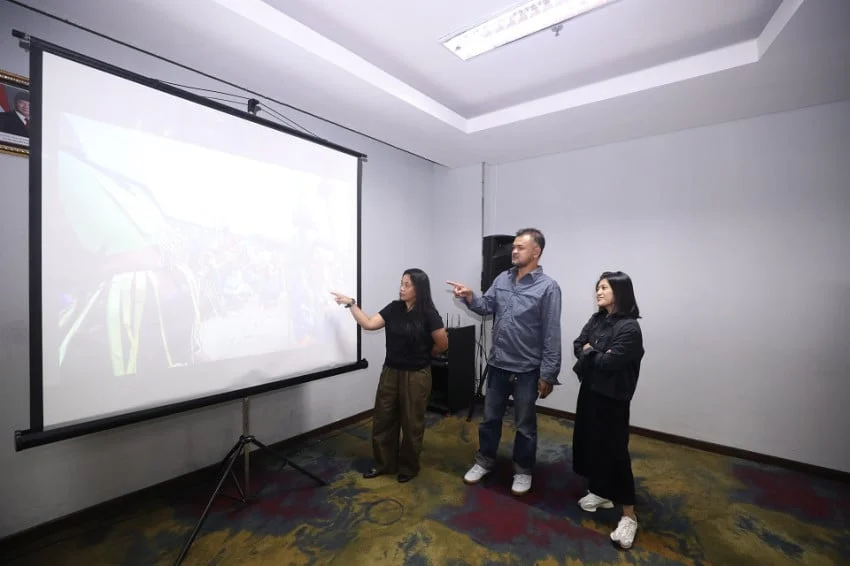
The final selection was entrusted to a distinguished panel of judges, including Eva Agriana Ali, representing the Pewarta Foto Indonesia, and Agus Susanto, a seasoned photojournalist known for his extensive work in documentary photography. The jury focused on three core pillars of assessment: originality of the concept, the strength of the visual storytelling, and the depth of the connection between the image and the competition’s central theme.
The Philosophy Behind the Lens: Perspectives from the Jury
The selection process was noted for its intensity, as the volume and quality of the entries made the task of narrowing down the field to just 12 works exceptionally difficult. The jury emphasized that they were not merely looking for "pretty pictures," but for images that could articulate the intangible essence of a brand that has survived nearly a century of economic shifts.
Dwi Pambudo, Chairman of the PFI, remarked on the significance of the event, noting that photography is a powerful tool for institutional branding. "Photography possesses the unique ability to translate the abstract journey and values of an institution into a visual narrative that the public can immediately understand," Pambudo stated. He added that the goal of the competition was to move beyond corporate advertising and instead foster an emotional connection between the company and the audience. By allowing photographers to capture the "soul" of the company, the PFI helped create a bridge that humanizes the corporate identity, turning a 94-year history into a relatable story.

Implications for Visual Journalism in Indonesia
The success of the "Berkarya Lewat Lensa" competition highlights a growing trend in Indonesia: the integration of high-quality documentary photography into corporate storytelling. For the PFI, this initiative served as an important platform for members and independent photographers to showcase their technical prowess in a non-editorial environment.
The competition also serves as a case study for how legacy industries can utilize visual arts to communicate their longevity. By engaging the public, Nojorono Kudus successfully framed its 94th anniversary not just as a commercial milestone, but as a cultural one. For the participants, the competition provided a valuable opportunity for professional development, with the 12 winners gaining exposure and validation from some of the most respected figures in Indonesian photography.
Thematic Analysis: Weaving Time and Industry
The theme "Mawa Daya" implies a sense of dynamic energy—a force that drives innovation while remaining anchored in tradition. The winning entries, according to the jury, captured this dichotomy effectively. Several of the winning photographs focused on the human element within the factory, highlighting the faces of the workers who have kept the tradition alive for generations. Others took a more abstract approach, focusing on the architectural evolution of the Nojorono facilities in Kudus, effectively showing how the physical space has adapted to the technological advancements of the 21st century.
This intersection of human labor and industrial history is a recurring motif in Indonesian documentary photography. By focusing on the "alignment with time," the photographers were able to document the transition from manual, craft-based production to modern, efficient industrial practices, all while maintaining the dignity of the work.
Future Outlook and PFI’s Role
The Pewarta Foto Indonesia has consistently positioned itself as the primary guardian of photographic standards in the country. Initiatives like this competition are vital for the sustainability of the industry, particularly as the demand for high-quality, authentic imagery grows in the age of digital media.
Following the success of this event, industry analysts anticipate that more large-scale corporations will look to collaborate with organizations like the PFI to document their history. This shift represents a move away from generic stock photography toward curated, bespoke visual assets that carry a stronger emotional weight.
As for the winners, the recognition provided by the PFI is expected to bolster their professional profiles significantly. For the broader public, the "Berkarya Lewat Lensa" competition serves as a reminder of the power of a single frame. Through the eyes of the 12 selected photographers, the history of Nojorono Kudus is no longer just a series of dates or statistics—it is a lived experience, captured in light and shadow.
Conclusion
The "Berkarya Lewat Lensa" competition stands as a testament to the enduring relationship between art and industry. By documenting the 94-year trajectory of Nojorono Kudus, the participating photographers have contributed to a larger archive of Indonesia’s industrial heritage. As the winners prepare for the upcoming exhibition of their works, the conversation surrounding the intersection of corporate history and visual storytelling continues to evolve, promising a future where the narrative of the nation’s institutions is told with ever-increasing depth, clarity, and artistic intent.
The PFI’s commitment to fostering this talent ensures that the next generation of Indonesian photographers will continue to find meaningful ways to "create through the lens," turning the passage of time into a timeless visual record. This competition not only honored a milestone for a specific company but also reaffirmed the essential role of photography in documenting the identity of a nation as it moves forward in time.