The peaceful delivery of agricultural aid to remote communities in Indonesia’s easternmost region turned into an unmitigated tragedy on Wednesday, September 9, 2026. Three dedicated employees of the Jayawijaya Agriculture Office in Papua Pegunungan province were brutally killed when an armed faction ambushed their convoy. The delegation was en route to distribute vital livestock and agricultural seeds to local villagers when violence erupted in the Muliama District, sending shockwaves through the local government, humanitarian circles, and the highest levels of the Indonesian central government.
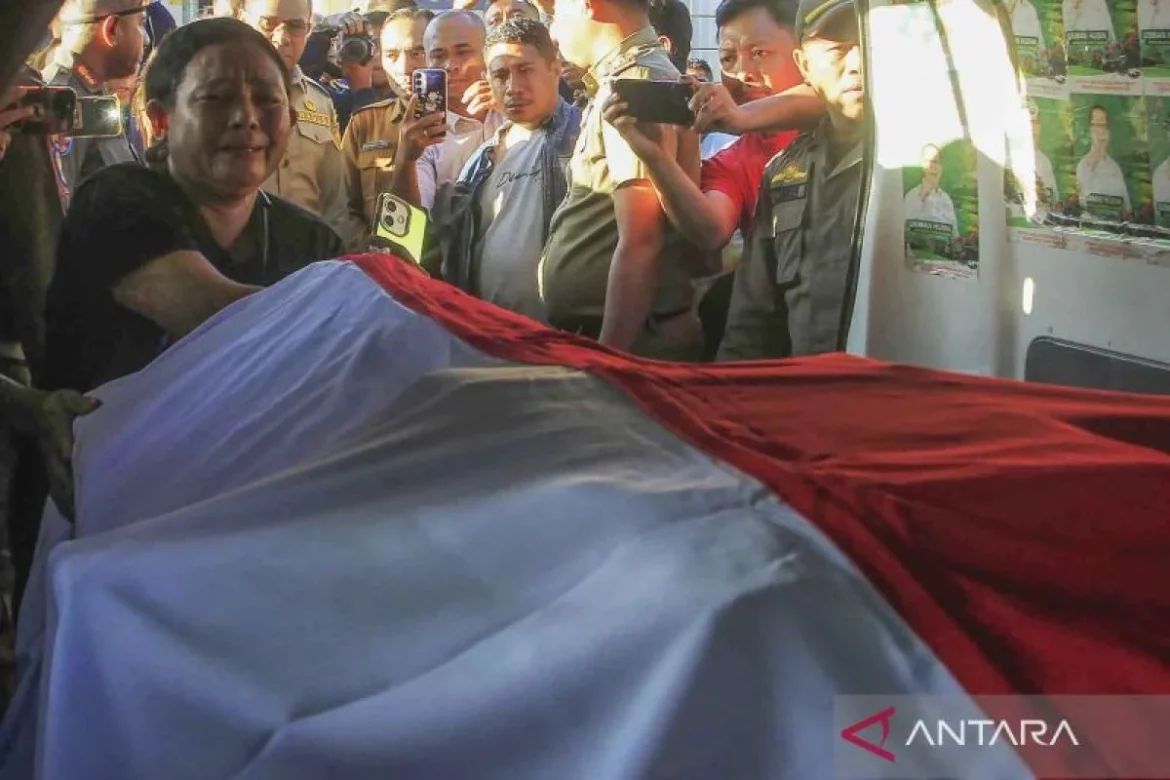
The victims—identified as Aprida Rapi, Alfonsius Albinus Mehan, and Wili Mbuik—were executing official state duties aimed at boosting local food security and economic self-sufficiency. In the wake of the attack, local law enforcement agencies, backed by regional security forces, launched an intensive manhunt to apprehend the perpetrators. The incident has reignited urgent national conversations regarding the safety and security of civil servants, healthcare workers, and humanitarian personnel operating in designated conflict-prone zones across Indonesia’s Papua region.
Chronology of the Attack in Muliama District
The sequence of events leading to the fatal ambush began early on the morning of September 9, 2026. The delegation from the Jayawijaya Agriculture Office departed from Wamena, the capital of Jayawijaya Regency, with a clear and peaceful mandate: to deliver livestock assistance and agricultural seed packages to indigenous communities in the Kimbim region.
According to preliminary police reports, the convoy was transiting through the volatile Muliama District when it was intercepted by an unidentified armed group. The attackers opened fire on the official vehicles without warning, triggering panic and forcing the convoy to a halt. Despite efforts by the occupants to seek cover, the intensity of the gunfire resulted in fatal injuries to three members of the team.
Following the distress call, security forces secured the area and evacuated the casualties. Investigators from the local police precinct, supported by forensic teams, processed the crime scene. During their sweep, authorities recovered three spent bullet casings of varying calibers, suggesting the involvement of multiple firearms and potentially multiple shooters. The physical evidence has been transferred to regional forensic laboratories for ballistic analysis as investigators work to reconstruct the exact trajectory of the attack and identify the specific faction responsible for the bloodshed.
Profiles of the Fallen Civil Servants
The loss of three committed professionals has left a profound void in the Jayawijaya Agriculture Office and within the hearts of their grieving families, colleagues, and communities. Each victim represented a vital link in the chain of regional development and public service in Papua Pegunungan.
1. Aprida Rapi: A Dedicated Regional Leader
Aprida Rapi, 49, served as the Head of the Livestock Division at the Jayawijaya Agriculture Office. A native of Makale in Tana Toraja Regency, South Sulawesi, Aprida had long made Wamena her home while dedicating her professional life to advancing agricultural standards and livestock management in the rugged terrain of Papua. Known among her peers as a diligent and compassionate public servant, she personally led the field mission to ensure that the aid packages reached the hands of the villagers who needed them most. Her leadership and decades of institutional knowledge are irreplaceable losses for the regional administration.
2. Alfonsius Albinus Mehan: A Compassionate Veterinarian
Alfonsius Albinus Mehan, 35, was a skilled veterinarian who brought his expertise from the distant island of Sikka in East Nusa Tenggara to the highlands of Papua. Working tirelessly within the livestock division, Alfonsius played a crucial role in ensuring the health and viability of the animals distributed to local farmers, thereby directly supporting sustainable rural economies. His presence in the convoy was essential for providing technical guidance to villagers on livestock care. His untimely death cuts short a promising career dedicated to animal health and community welfare in an underserved region.
3. Wili Mbuik: A Young Public Servant Embracing His Calling
Wili Mbuik was a young and enthusiastic civil servant (CPNS) who had recently joined the Jayawijaya Regency government to begin his career in public administration. Originally hailing from Rote Ndao in East Nusa Tenggara, Wili had traveled far from home to answer the call of public service in Papua Pegunungan. Assigned to the Agriculture Office, he approached his duties with youthful optimism and a genuine desire to contribute to regional development. His tragic death at the threshold of his professional life highlights the devastating human cost of violence directed against those whose only mission is to build and uplift communities.
Official Reactions and National Outcry
The cold-blooded murder of unarmed civil servants engaged in humanitarian distribution has drawn swift and universal condemnation from government officials, human rights advocates, and national leaders across Indonesia.
Minister of Agriculture Andi Amran Sulaiman expressed profound grief and sorrow over the deaths of Aprida, Alfonsius, and Wili. In an official statement, the Minister paid tribute to their ultimate sacrifice in the line of duty and urged federal and regional security apparatuses to drastically enhance protective measures for agricultural extension workers, healthcare providers, and administrative staff operating in high-risk territories. He emphasized that agricultural workers are the backbone of rural prosperity and must never become targets of armed conflict.
Concurrently, the Ministry of Human Rights (KemenHAM) issued a formal demand for a transparent, thorough, and swift investigation into the shooting. The Ministry underscored that targeting civilian state apparatuses engaged in welfare distribution constitutes a severe violation of humanitarian principles and basic human rights. KemenHAM called upon law enforcement agencies to bring the perpetrators to justice swiftly to ensure accountability and deter future acts of violence against civil servants.
Regional security officials have also appealed for calm amidst heightened tensions. Following the incident, local police and regional military commands urged community members not to be provoked by rumors or inflammatory narratives, particularly given the sensitive security climate surrounding the period often referred to in local discourse. Authorities reiterated their commitment to maintaining public order while relentless pursuit operations continue in the rugged hinterlands of Jayawijaya.
Broader Implications and Security Analysis
The Muliama District ambush highlights the persistent and complex security challenges facing civilian governance and developmental projects in Indonesia’s eastern provinces. While the central and regional governments have poured significant resources into infrastructure, education, and agriculture to accelerate human development in Papua Pegunungan, persistent threats from armed separatist factions continue to jeopardize these initiatives.
Security analysts point out that targeting civilian infrastructure and humanitarian convoys serves a dual disruptive purpose for armed groups: it undermines state authority and deprives marginalized indigenous communities of essential socio-economic assistance. The reliance on imported agricultural aid and livestock is a cornerstone of poverty alleviation programs in the highlands; thus, cutting off these supply lines directly harms the local population whom the armed groups ostensibly claim to represent.
Furthermore, the involvement of professionals from diverse regions of Indonesia—such as South Sulawesi and East Nusa Tenggara—underscores the multi-ethnic fabric of Papua’s civil service. Incidents targeting non-local or local administrative workers alike threaten to induce a "brain drain," where qualified professionals become increasingly reluctant to accept postings in remote or conflict-affected districts due to legitimate safety concerns. This reluctance could severely hamper long-term regional development goals, stalling educational, medical, and agricultural progress for years to come.
As the investigation into the Muliama District shooting progresses, the primary challenge for the Indonesian state remains twofold: establishing absolute security and accountability through the apprehension of the armed perpetrators, and rebuilding the confidence of civil servants who brave isolation and danger daily to serve the people of Papua. The memories of Aprida Rapi, Alfonsius Albinus Mehan, and Wili Mbuik will endure as powerful symbols of dedication to public service, reminding the nation of the steep price sometimes paid in the pursuit of peace, equity, and shared prosperity.