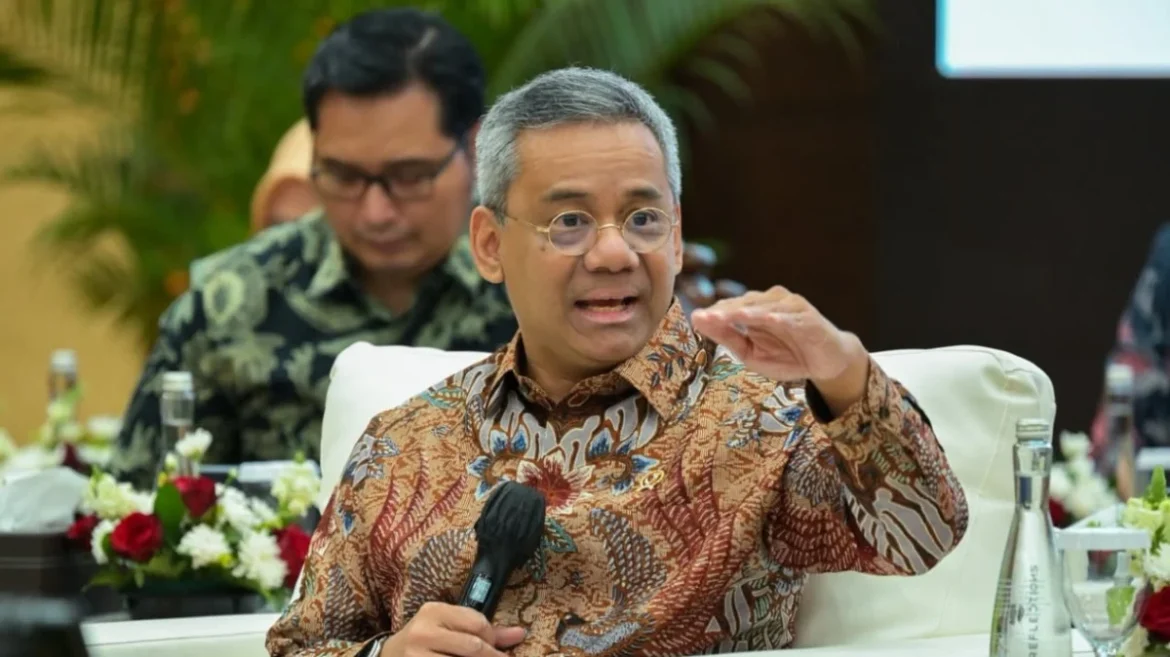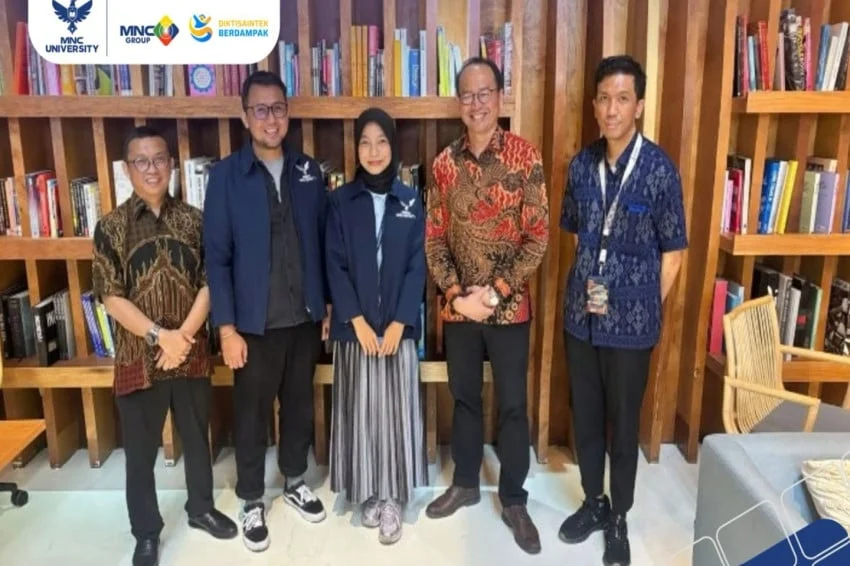
MNC University has officially participated in the prestigious tenth-anniversary celebration of the Indonesia Design Development Center (IDDC), a strategic initiative spearheaded by the Ministry of Trade of the Republic of Indonesia. The milestone event, hosted at the IDDC headquarters in Jakarta, centered around the empowering theme "DASA DAYA: Desain Menguatkan Usaha, Menggerakkan Negeri" (Design Strengthens Business, Moves the Nation). This high-profile engagement marks a significant step forward for MNC University as it actively seeks to fortify institutional networks, foster cross-sector collaborations, and drive innovation in higher education, design thinking, human resource development, and community outreach.
The commemorative event convened approximately 30 distinguished participants, representing a cross-section of academic institutions, government bodies, industry experts, and key stakeholders within the creative and manufacturing sectors. Among the notable figures in attendance were Yudi Darma, Director of Dissemination and Utilization of Science and Technology, and Deden Muhammad Fajar Shiddiq, Director of Export Development for Manufactured Products at the Ministry of Trade. Their presence underscored the vital intersection between government policy, academic contribution, and industrial application in advancing Indonesia’s national economy through design and innovation.
Background Context and the Evolution of IDDC
Established a decade ago, the Indonesia Design Development Center was conceptualized as a collaborative hub designed to bridge the gap between creative design methodologies and commercial business execution. Over the past ten years, IDDC has operated under the auspices of the Ministry of Trade to serve as a catalyst for local designers, micro, small, and medium enterprises (MSMEs), and manufacturing exporters. The institution provides vital resources, incubation spaces, mentoring programs, and market-access strategies aimed at elevating the global competitiveness of Indonesian products through superior design standards.
In recent years, the convergence of design, digital technology, and commerce has transformed the global market landscape. Indonesian enterprises face both unprecedented opportunities and intense international competition. Initiatives like IDDC play a foundational role in equipping local industries with the tools necessary to adapt to shifting consumer preferences, sustainable manufacturing practices, and digital transformation. Against this backdrop, the involvement of higher education institutions such as MNC University is critical. By aligning academic curricula with national industrial strategies, universities can help produce a workforce that is not only academically proficient but also intimately attuned to the practical demands of the market.
Chronology and Proceedings of the Decade Celebration
The one-decade anniversary event unfolded through a structured series of keynote addresses, strategic networking sessions, and collaborative forums designed to chart the future course of Indonesia’s design and trade ecosystem.
The morning session commenced with official registrations and an interactive institutional networking forum, allowing academic leaders from MNC University to engage directly with government officials and industry practitioners. This was followed by the core plenary session featuring formal addresses from key ministry directors.
Deden Muhammad Fajar Shiddiq opened the official remarks by reflecting on the decade-long journey of IDDC. He expressed deep appreciation for the continuous support demonstrated by academic partners, industry players, and institutional stakeholders. Deden emphasized that IDDC’s longevity and sustained impact are testaments to the power of collaborative synergy. He noted that as Indonesia aims for broader economic expansion, the integration of design thinking into business models will remain a non-negotiable pillar for export growth and market resilience.
Following the ministry’s address, Yudi Darma took the podium to articulate the vital role of science, technology, and design integration. Yudi strongly advocated for the deepening of existing partnerships and the establishment of new, multidisciplinary frameworks. He challenged the assembled stakeholders to ensure that future collaborations transcend traditional economic metrics, generating tangible social value and community empowerment across the archipelago.
The afternoon segments featured focused breakout discussions regarding potential Memorandums of Understanding (MoUs) between educational institutions like MNC University and the Ministry of Trade’s development centers, paving the way for future student internship programs, joint research initiatives, and community service projects.
Official Statements and Institutional Perspectives
The participation of MNC University in the IDDC anniversary reflects a deliberate institutional strategy to integrate real-world industry demands into its academic framework. Representatives from MNC University highlighted that engagement with governmental bodies such as the Ministry of Trade opens up expansive avenues for students and faculty members alike.
"Our presence at the IDDC decade celebration is a testament to MNC University’s commitment to active national development," noted a university representative during the networking sessions. "Education cannot operate in a vacuum. By forging robust connections with government-led innovation hubs like IDDC, we ensure that our academic programs—ranging from business and technology to design and digital communication—remain relevant, dynamic, and directly responsive to the needs of the national economy."
Ministry officials reciprocated this sentiment. Deden Muhammad Fajar Shiddiq emphasized that the Ministry of Trade cannot achieve its export development and manufacturing enhancement goals independently. "The triple helix model—collaboration between government, academia, and industry—is the only viable path forward. Institutions like MNC University bring intellectual capital, youthful creativity, and rigorous research capabilities that complement our practical trade strategies," Deden remarked.
Echoing this perspective, Yudi Darma pointed out that the next decade of IDDC must focus on inclusive growth. "Design is no longer just about aesthetics; it is a problem-solving tool that addresses sustainability, digitalization, and social equity. When academic institutions participate actively in these ecosystems, we foster a culture of innovation from the grassroots level up to the corporate sphere," Yudi stated.
Broader Impact and Economic Implications
The strategic alignment between MNC University and the Ministry of Trade’s IDDC carries several profound implications for Indonesia’s educational and economic landscape:
-
Enhanced Curriculum Relevance: For higher education institutions, exposure to national trade and design initiatives ensures that curricula are continuously updated to reflect current industrial trends. Students benefit through exposure to real-world challenges, case studies, and potential collaborative projects.
-
Workforce Readiness and Human Resource Development: As Indonesia targets its Golden Indonesia 2045 vision, the demand for a highly skilled, adaptable workforce is paramount. Collaborations that bridge universities and trade centers help bridge the skills gap, producing graduates equipped with both theoretical knowledge and practical execution capabilities.
-
Empowerment of MSMEs and Export Competitiveness: By fostering partnerships that encourage design innovation, universities can direct their research and community service initiatives toward supporting local MSMEs. Student and faculty-led design interventions can help small businesses improve product packaging, branding, and digital marketing, thereby enhancing their export readiness.
-
Institutional Synergy for Social Impact: Beyond commercial metrics, the integration of educational outreach with government-backed development initiatives fosters sustainable social development. Community service programs driven by university-industry partnerships can address regional economic disparities by introducing design-thinking methodologies to traditional craftspeople and regional producers.
Conclusion and Future Outlook
The participation of MNC University in the tenth-anniversary celebration of the Ministry of Trade’s Indonesia Design Development Center marks more than a ceremonial attendance; it signals a robust, forward-looking commitment to collaborative national development. As IDDC embarks on its second decade of operation, the partnerships forged during events like "DASA DAYA" will serve as the bedrock for a more integrated, innovative, and globally competitive Indonesian economy.
Moving forward, stakeholders from both the academic and governmental spheres anticipate a deepening of these ties. Through structured joint ventures in research, student professional development, and community empowerment, institutions like MNC University and the Ministry of Trade are poised to play a transformative role in shaping a resilient, design-driven future for the nation.