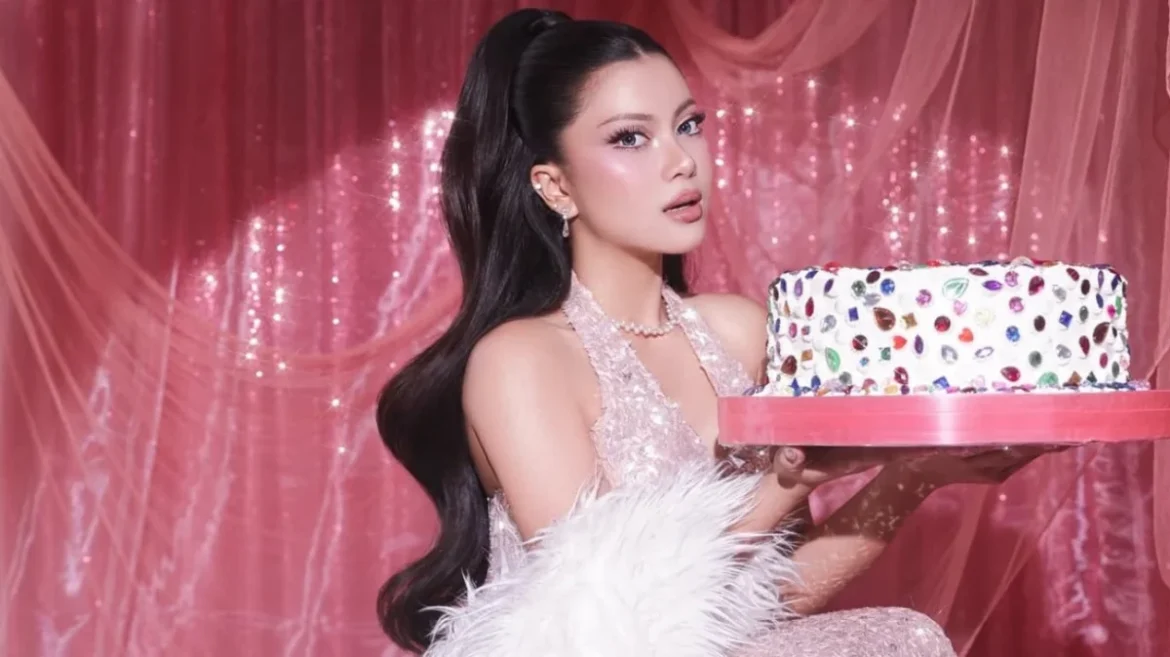
The 26th birthday celebration of prominent Indonesian beauty influencer Hanum Mega has transcended the typical social media buzz, evolving into a significant discourse regarding the intersection of influencer culture, luxury lifestyle, and entrepreneurial success. Held on Sunday, September 20, 2026, at the MOJA Museum within the Gelora Bung Karno (GBK) Complex in Jakarta, the event served as a high-profile showcase of Mega’s influence in the digital economy. While the Y2K Gyaru-themed party drew attention for its star-studded guest list—including high-profile figures such as Rachel Vennya, Fuji, Erika Carlina, and Nathalie Holscher—the spectacle also reignited public interest in the underlying financial engines fueling the lifestyle of one of Indonesia’s most recognizable digital creators.
A High-Profile Event at the Heart of Jakarta
The choice of the MOJA Museum for the celebration underscored the magnitude of the event. Known for its aesthetic installations, the venue provided the perfect backdrop for the Y2K Gyaru theme, an aesthetic characterized by bold colors, maximalist fashion, and a nostalgic nod to early 2000s street fashion. The meticulous curation of the event, which extended to the dress code for guests, demonstrated the high production value typical of Mega’s brand.
The guest list served as a testament to Mega’s social standing within the Indonesian entertainment industry. The presence of influencers and celebrities like Rebecca Klopper, Dara Arafah, and Naykilla highlighted the strong networking ties that define the current influencer landscape. However, the event’s "goodie bag" segment became a focal point of discussion on social media. Attendees were presented with premium black backpacks containing a curated selection of lifestyle products, ranging from high-end skincare and body care to specialized makeup kits and home textiles such as premium pillowcases. This gesture not only underscored the brand-partnership capabilities of the influencer but also served as a tangible representation of her market value.
Chronology of an Influencer’s Rise
Hanum Mega’s ascent to prominence did not happen overnight. Her career trajectory serves as a case study for the evolution of the Indonesian beauty industry from hobbyist blogging to institutionalized business models.
- Early Career (2018–2020): Mega began her journey as a beauty content creator, primarily utilizing Instagram and YouTube to share makeup tutorials. Her approachable style and technical proficiency quickly garnered a loyal audience.
- Business Diversification (2021–2022): Leveraging her growing engagement, Mega transitioned from a content creator to a business owner. She launched Hanum Beauty Care, focusing on accessible skincare products tailored for the local market.
- Service-Oriented Expansion (2023): Demonstrating a shift toward brick-and-mortar operations, she opened Hanum Beauty Salon and Spa in Bogor, West Java. This move marked a significant pivot, moving away from purely digital revenue streams toward service-based business models.
- Public Challenges (2024): The business encountered significant scrutiny during a public dispute with several resellers. This period served as a critical test for her brand’s reputation management and crisis communication strategies.
- Brand Consolidation (2025–2026): By 2026, Mega successfully repositioned her personal brand, focusing on high-tier partnerships and cementing her status as a lifestyle mogul, culminating in the high-profile birthday event at GBK.
Analyzing the Revenue Streams
Public interest in the wealth of influencers often stems from the lack of transparency in how digital earnings are generated. For Hanum Mega, her financial stability is anchored in a three-pronged strategy: professional digital marketing, product manufacturing, and service-based retail.
1. Endorsement and Digital Influence
With a following exceeding 4.3 million on Instagram alone as of September 2026, Mega occupies a high-value tier in the influencer marketing ecosystem. Data from industry analysts suggest that creators with this level of reach and engagement typically command significant fees for brand campaigns. Unlike micro-influencers, Mega’s brand carries a "premium" label, allowing for long-term ambassador contracts rather than one-off promotional posts. Her reach acts as a primary funnel for her own businesses, reducing customer acquisition costs significantly.
2. Hanum Beauty Care: The Product Pivot
The skincare industry in Indonesia has experienced a double-digit compound annual growth rate (CAGR) over the past five years. Hanum Beauty Care represents her most scalable asset. By controlling the supply chain of her beauty products, she has transitioned from earning commission-based revenue to profit-margin-based revenue. Despite the challenges faced in 2024 regarding reseller relations, the business has remained a staple in her financial portfolio, indicating strong consumer retention and market penetration.
3. Hanum Beauty Salon and Spa
The establishment of a physical spa in Bogor indicates a long-term commitment to the beauty sector. In the current economic climate, service-based businesses like salons provide a hedge against the volatility of digital trends. By providing a tangible space for her brand, Mega has successfully bridged the gap between her virtual persona and the physical consumer experience, creating a cyclical ecosystem where her social media followers become clients of her physical services.
Institutional Implications: The Business of Influence
The scrutiny surrounding Hanum Mega’s birthday party is emblematic of a broader trend: the public’s changing perception of the "influencer economy." Initially, influencers were viewed as purely entertainment-based, but as individuals like Mega build multifaceted corporate structures, the conversation has shifted toward professional accountability and financial transparency.
Industry observers note that the success of Mega’s business ventures is largely predicated on "community building." By fostering a parasocial relationship with her 4.3 million followers, she has created a customer base that is inherently more loyal than those acquired through traditional advertising. This shift, however, comes with increased risks. As evidenced by the 2024 reseller disputes, any professional or personal hiccup can have immediate consequences for her business interests.
Furthermore, the scale of her recent celebration at the GBK complex highlights the professionalization of personal events. These gatherings are no longer just social functions; they are marketing activations. The inclusion of high-profile guests, the specific branding of the event, and the strategic distribution of promotional "goodie bags" function as a form of social capital, reinforcing her status among stakeholders, potential business partners, and the media.
Broader Impact on the Beauty Industry
The influence of creators like Hanum Mega has forced traditional beauty conglomerates to rethink their marketing strategies. Where legacy brands once relied on expensive television spots, they now prioritize collaborations with influencers who can provide authentic, real-time engagement. Mega’s ability to sustain her relevance through changing trends—from the early days of YouTube tutorials to the current landscape of high-production, event-based marketing—demonstrates a high level of agility.
However, the rapid growth of such figures also invites questions regarding sustainable business practices. As the industry matures, the focus will likely shift from pure follower count to the actual financial health and ethical standards of influencer-led companies. For Mega, the challenge moving forward will be to maintain the balance between her public-facing persona and the rigorous demands of managing a diverse business portfolio.
Conclusion
The 26th birthday celebration of Hanum Mega at the MOJA Museum was more than just a social event; it was a snapshot of a successful career built on the foundation of digital transformation. By diversifying her income streams and consistently leveraging her audience to support her entrepreneurial ventures, Mega has secured a position as a formidable figure in the Indonesian beauty landscape. While her lifestyle and wealth will continue to attract public curiosity, the underlying reality is one of calculated business growth and strategic brand management. As she continues to evolve, the industry will undoubtedly keep a close watch on how she navigates the complexities of maintaining a high-profile brand in an increasingly competitive digital age. The event at GBK serves as a reminder that in the world of modern influence, the brand is the business, and the business is the brand.