
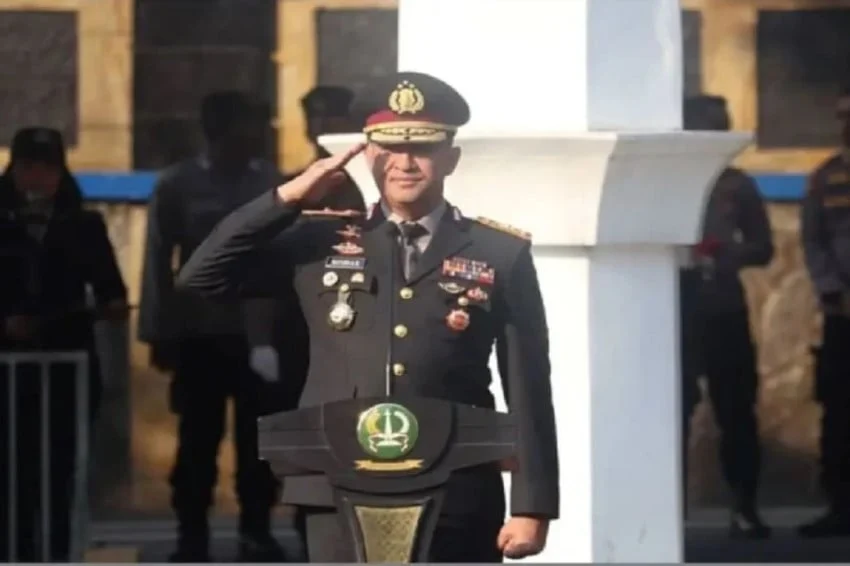
JAKARTA — The Indonesian National Police (Polri) has officially initiated a significant structural reshuffle within the Criminal Investigation Department (Bareskrim Polri), signaling a strategic pivot in the force’s leadership approach under the tenure of Chief of National Police (Kapolri) General Suyudi Ario Seto. According to the official Telegram Letter Number ST/2515/XI/KEP./2026, issued on November 9, 2026, the reshuffle encompasses a total of 25 high-ranking and mid-ranking officers, marking the sixth wave of rotations, promotions, and organizational refinements conducted by the current leadership this year.
Among these appointments, three officers have been specifically designated for key positions within Bareskrim Polri, the investigative backbone of the institution. The personnel changes include one high-ranking officer (Pati) holding the rank of Brigadier General (Brigjen Pol) and two mid-ranking officers (Pamen) holding the rank of Chief Commissioner (Kombes Pol).
Contextualizing the Leadership Reshuffle
The appointment of these officers comes at a critical juncture for the Indonesian National Police. Since assuming his role as Kapolri, General Suyudi Ario Seto has emphasized the necessity of a modernized, agile, and transparent investigative force. The November 2026 reshuffle is not merely a routine administrative procedure; it is part of a broader, ongoing effort to revitalize the internal structure of the police force to better meet the challenges of modern law enforcement, including cybercrime, transnational financial fraud, and complex institutional corruption.
Analysts note that the selection process for these Bareskrim positions is highly competitive. Given that Bareskrim serves as the primary investigative arm for high-profile criminal cases in Indonesia, the selection of leaders requires a delicate balance between investigative prowess, ethical integrity, and the ability to manage inter-agency collaboration. The decision to rotate these specific officers reflects a strategic calculation to align institutional leadership with the current administration’s vision of law enforcement reform.
Chronology of the November 2026 Rotation
The administrative sequence began on November 9, 2026, when the Secretariat of the Indonesian National Police issued the formal Telegram (ST). This document served as the legal basis for the transfer of duties. Following the internal notification, the transition process was initiated, with officers typically given a 14-day window to complete the handover of duties (sertijab) in their previous stations and assume their new responsibilities at the Bareskrim headquarters in Jakarta.
This wave, the sixth of the year, represents the most significant movement of personnel in the second half of 2026. The timing of this announcement, made public on November 16, 2026, coincided with the final stages of the fiscal year, a period when the police force typically assesses its performance targets and prepares for the operational challenges of the upcoming calendar year.
Official Stance and Rationale
The Head of the Public Relations Division of the Indonesian National Police, Inspector General Johnny Eddizon Isir, emphasized that the reshuffle is a fundamental component of the organization’s career development strategy. In a formal statement released on Monday, November 16, 2026, Isir underscored that the moves were designed to prevent stagnation within the force and to provide new opportunities for officers to demonstrate their capabilities in different operational contexts.
"The rotation of positions is an integral part of career development and organizational refreshment," Isir stated. "The placement of personnel is conducted through a meritocratic process, strictly considering competence, capability, and integrity. We aim to ensure that every officer entrusted with these positions is capable of executing their duties professionally, ultimately contributing to the overall enhancement of our institutional performance."
Isir further clarified that the "meritocracy" aspect involves a comprehensive performance review. Officers are evaluated not only on their past investigative success rates but also on their adherence to the "Presisi" (Predictive, Responsibility, Transparency, and Fairness) framework, which has been the cornerstone of the current police leadership’s operational philosophy.
Profiles of the Appointees and Strategic Implications
The most prominent of the three Bareskrim appointees is Brigadier General Moh. Irhamni, whose shift into the leadership structure of Bareskrim is expected to bolster the department’s strategic oversight capabilities. While the full list of appointees continues to be integrated into the departmental structure, the focus remains on the specific mandates these officers have been given.
For the mid-ranking officers (Kombes Pol) joining the department, the implications are equally significant. Their integration into the investigative teams is intended to expedite the processing of pending cases that require specialized legal and technical knowledge. By injecting fresh leadership into these divisions, the police leadership hopes to address concerns regarding the speed and efficacy of criminal investigations, which have occasionally drawn public scrutiny.
Broader Institutional Impact and Analysis
The institutional impact of these appointments extends beyond the walls of Bareskrim. By moving high-caliber officers into critical roles, the police force is effectively reinforcing its capacity to handle complex crimes that have evolved with the advent of digital technology.
- Cybersecurity Integration: As crime trends shift toward the digital domain, the appointment of officers with proven track records in forensic investigation is a priority. These new leaders are expected to interface more closely with the Directorate of Cyber Crime to streamline the investigation of financial scams and digital fraud.
- Accountability and Public Trust: Public sentiment toward the National Police remains a vital barometer of the institution’s health. By promoting officers based on "competence and integrity," the leadership is signaling to the public that internal reforms are genuine. The scrutiny of these appointments serves as a mechanism for public accountability.
- Internal Morale: Regular rotation cycles help maintain high morale within the officer corps by creating a clear pathway for promotion based on merit rather than seniority alone. This incentivizes younger officers to focus on professional development and clean operational records.
Challenges Ahead for the New Leadership
The incoming Bareskrim leadership faces an environment characterized by heightened public demand for transparency. With President Prabowo Subianto having previously underscored the importance of the police force in maintaining national stability—even noting in past statements the weight of selecting the right leadership for the institution—the pressure to deliver results is immense.
The incoming officers will be expected to manage several pressing issues:
- Anti-Corruption Efforts: Strengthening the department’s resolve in investigating high-level corruption cases that affect public funds.
- Streamlining Bureaucracy: Reducing the administrative bottlenecks that often delay the prosecution of criminal cases.
- Inter-Agency Synergy: Coordinating more effectively with the Attorney General’s Office and the Corruption Eradication Commission (KPK) to ensure seamless judicial processes.
Conclusion
The appointment of these three officers, along with the broader rotation of 25 personnel, marks a deliberate step by General Suyudi Ario Seto to refine the National Police’s investigative capabilities. As the force navigates the complexities of the mid-2020s, the focus on meritocracy and organizational agility will remain the primary drivers of its internal policy.
While the full impact of these changes will only be measurable through the performance indicators of the coming months, the move demonstrates a clear intent to align the Bareskrim Polri with the evolving needs of the nation. As the officers settle into their new roles, the public and observers alike will be watching for the tangible outcomes of this leadership shift—specifically in the resolution of high-profile cases and the overall improvement of the department’s investigative efficiency.
This reshuffle is a testament to the fact that the Indonesian National Police is in a state of constant evolution, attempting to adapt its internal mechanisms to better serve the law and the citizens of Indonesia. With the new leadership team now in place, the mandate is clear: professional, ethical, and effective law enforcement remains the ultimate objective for the Bareskrim Polri.
