The geopolitical landscape of the Middle East faces renewed instability as the Houthi movement in Yemen intensifies its cross-border offensive against Saudi Arabia, prompting Riyadh to lean heavily on its long-standing security partnership with Pakistan. Recent statements from senior military officials in Islamabad have underscored a deepening commitment to the Kingdom’s defense, highlighting a potential shift in the regional security architecture as the conflict shows no signs of diplomatic resolution.
The Evolution of the Riyadh-Islamabad Security Pact
At the heart of this cooperation lies the Mecca Defense Pact, an umbrella agreement that serves as the cornerstone of the Saudi-Pakistan security relationship. While the exact operational parameters of the pact remain classified, public statements from both nations suggest it functions as a mutual defense framework, obligating signatories to provide support—ranging from intelligence sharing and logistics to potential kinetic military intervention—in the event of a direct existential threat to Saudi territorial sovereignty.
Lieutenant General Ahmed Sharif Chaudhry, the Director General of the Inter-Services Public Relations (ISPR) of Pakistan, recently provided a striking clarification regarding the extent of this commitment. In an interview with the Saudi-based Arab News, Chaudhry explicitly stated that Islamabad is prepared to support Riyadh both diplomatically and physically. By emphasizing the term "physical" support, Chaudhry signaled a departure from the previously ambiguous stance held by Pakistan, which had historically preferred to maintain a delicate balance between its deep ties with the Gulf monarchies and its non-interference doctrine.
Chronology of Escalation and Houthi Aggression
The recent surge in hostilities began with a series of coordinated attacks that tested the resilience of Saudi Arabia’s air defense systems. On a Saturday at dawn, the Saudi-led coalition reported the launch of a ballistic missile targeting the capital, Riyadh. Although the projectile was successfully intercepted and destroyed by Patriot surface-to-air missile systems, the incident served as a stark reminder of the sophisticated weaponry currently in the Houthi arsenal.
The threat, however, was not confined to the capital. Major General Turki al-Maliki, the spokesperson for the coalition forces, confirmed that Houthi militants simultaneously targeted civilian infrastructure in Bisha, Taif, Farasan, and Yanbu. These coordinated strikes represented a deliberate effort to disrupt economic hubs and civilian centers far from the southern border.
In parallel, the conflict on the ground in Yemen intensified. In the southern Marib province—a region that has become the strategic focal point of the entire Yemeni civil war—government forces supported by the Saudi coalition engaged in heavy skirmishes. According to military reports from the field, an attempted infiltration by Houthi insurgents at the al-Fuliahan sector was repelled, resulting in the reported deaths of 12 Houthi fighters and numerous injuries. This tactical engagement highlights the grinding, attritional nature of the war that has persisted for nearly a decade.
Historical Context and Strategic Stakes
The Houthi movement, formally known as Ansar Allah, has transformed from a localized Zaydi Shia insurgency into a formidable paramilitary force since seizing control of the Yemeni capital, Sana’a, in 2014. Their technological advancement, largely attributed to external support and the repurposing of captured military hardware, has enabled them to project power deep into Saudi territory.
For Saudi Arabia, the war in Yemen is viewed through the lens of regional stability and the containment of Iranian influence. The Kingdom’s military spending, which consistently ranks among the highest in the world, has been heavily diverted to sustain this intervention. However, the reliance on external partners like Pakistan stems from a need for experienced, battle-hardened military personnel and institutional knowledge in asymmetric warfare.
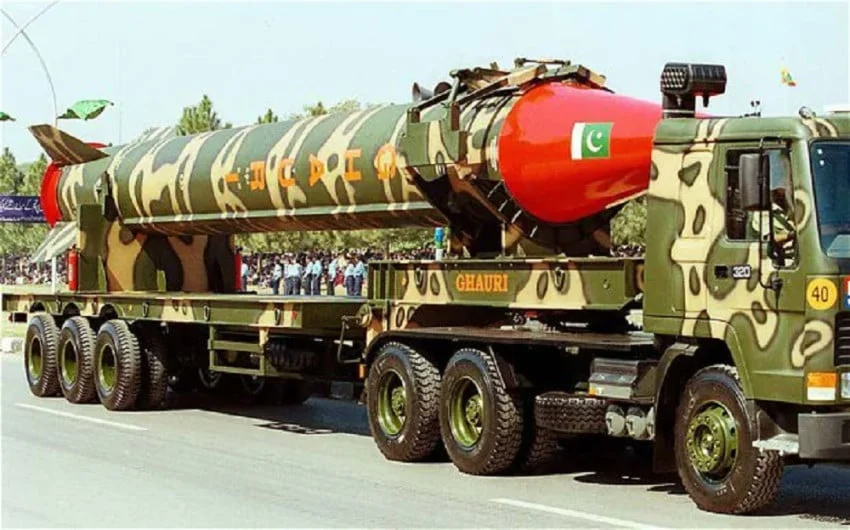
Pakistan, for its part, maintains the world’s sixth-largest standing army and a nuclear deterrent. Its military has long provided training, logistics, and personnel for Saudi defense efforts. Historically, Pakistan’s parliament has been wary of direct involvement in foreign wars—most notably in 2015, when the legislature voted against joining the Saudi-led coalition in Yemen. However, the current rhetoric suggests that the definition of "threat" has evolved, potentially triggering the mechanisms of the Mecca agreement if the Houthi strikes persist.
Official Responses and Diplomatic Nuance
The Pakistani government has been careful to manage public expectations while maintaining a credible deterrent posture. Following the latest wave of attacks, the Ministry of Foreign Affairs in Islamabad issued a statement clarifying that, as of mid-September, there had been no formal discussions regarding the activation of a full-scale military response based on the Mecca pact.
Despite this administrative caution, the political leadership has been vocal about its obligations. Khawaja Asif, Pakistan’s Minister of Defense, explicitly noted on September 8 that the country remains bound by the terms of the defense pact. "We are bound by the terms and conditions of this pact, and we will fulfill them if the need arises," Asif stated. This deliberate ambiguity serves a dual purpose: it acts as a strategic deterrent against further Houthi escalation while providing Islamabad with the diplomatic flexibility to avoid an immediate deployment of troops if the situation can be contained through existing coalition resources.
Analyzing the Military Implications
The shift toward a more explicit commitment from Pakistan carries significant military implications for the region. The potential integration of Pakistani strategic planning or, in a worst-case scenario, direct military support, would fundamentally change the Houthi calculus. The Houthis, who have operated under the assumption that the Saudi coalition is limited by its own domestic fatigue and international scrutiny, may find that their strategic reach is limited by the entry of a new, highly capable actor.
From a technical standpoint, the Saudi air defense network has proven highly effective at intercepting ballistic missiles and suicide drones. However, the sheer volume of attacks—often utilizing low-cost, expendable drone swarms—threatens to exhaust interceptor inventories. Pakistan’s expertise in air defense integration and electronic warfare could provide the technical edge required to neutralize these persistent threats more efficiently.
Regional Stability and the Broader Impact
The involvement of Pakistan also risks drawing the conflict into a wider regional proxy struggle. Observers note that any move by Pakistan to deepen its military footprint in the Gulf would likely draw sharp criticism from Tehran, which maintains strong ties with Islamabad but is the primary benefactor of the Houthi movement.
Furthermore, the domestic political climate in Pakistan must be considered. The country is currently navigating significant economic challenges and internal security concerns. Large-scale military deployments abroad are often unpopular among the Pakistani public, who are generally sensitive to being dragged into Middle Eastern sectarian conflicts. Therefore, any physical deployment would likely be confined to specialized units, intelligence personnel, and advisory roles rather than ground infantry.
Future Outlook
As the situation remains fluid, the international community continues to monitor the impact of the Houthi strikes on global energy markets and maritime security in the Red Sea. The Saudi government has signaled that it will continue to respond to provocations with the full weight of its coalition, now bolstered by the reaffirmed solidarity of its Pakistani ally.
The next few months will be critical. If the Houthi movement continues to target civilian infrastructure, the "when the time comes" rhetoric used by Pakistani officials will face its most significant test. The transition from diplomatic support to active physical involvement remains a red line that, if crossed, could reshape the security dynamics of the Arabian Peninsula for years to come. For now, the combination of Saudi defensive resilience and the strategic shadow cast by Pakistan remains the primary deterrent against a further escalation of the conflict.