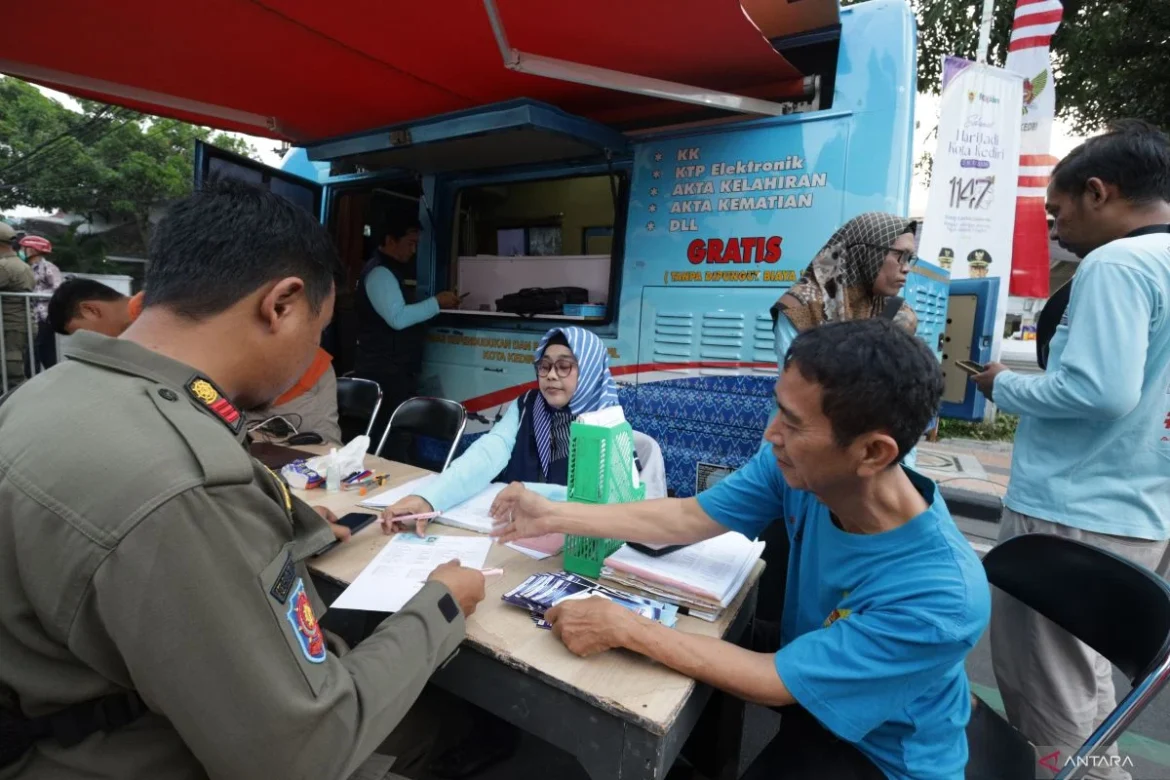
Jakarta, Indonesia – In a significant move aimed at enhancing public service efficiency and accessibility, the Indonesian government has implemented a new policy that largely removes the requirement for recommendation letters from local community units (RT/RW) and sub-districts (Kelurahan) for various population administration services. This progressive directive, championed by the Directorate General of Population and Civil Registration (Dukcapil) under the Ministry of Home Affairs (Kemendagri), is poised to fundamentally transform how citizens interact with the civil registration system, significantly reducing processing times and administrative burdens. The core objective is to accelerate public services and make it considerably easier for individuals to obtain essential demographic documents, reflecting a broader commitment to bureaucratic reform and digital transformation across the archipelago.
A New Era for Demographic Services: Direct Access for Citizens
Under the revised framework, a wide array of critical demographic documents and services can now be processed directly through the local Population and Civil Registration Agency (Disdukcapil) without the need for preliminary endorsements from neighborhood or communal leaders. This streamlined approach applies to most common administrative needs, with only specific exceptions remaining, primarily for individuals who are not yet integrated into the national population database and require initial registration for a National Identity Number (NIK) or inclusion in a Family Card (KK). This targeted exception ensures data integrity while maximizing ease of access for the vast majority of the populace. The policy is a direct response to longstanding public complaints regarding the often-cumbersome and time-consuming process previously involving multiple layers of local bureaucracy.
Key Services Benefiting from the Policy Shift
The range of services now accessible without an RT/RW/Kelurahan recommendation letter is comprehensive, covering the most frequently requested civil registration documents:
1. Electronic Identity Card (KTP-el): Citizens undertaking the recording of their biometric data for a KTP-el or requesting changes to existing KTP-el data are no longer required to present a recommendation letter from their local community unit. Applicants can proceed directly to the Disdukcapil office, ensuring they bring all other necessary documentation pertinent to their specific service request. This change is particularly impactful given the KTP-el’s status as the primary legal identity document for all Indonesian citizens aged 17 and above, underpinning virtually every other administrative and financial transaction. The previous requirement often added days, if not weeks, to the process, depending on the availability of local officials.
2. Family Card (Kartu Keluarga – KK): The process for managing Family Cards, which serve as crucial household registration documents, has also been significantly simplified. Whether it involves updating data for existing family members, adding new members, or altering specific data elements within the card, all can now be executed directly at the Disdukcapil without prior endorsement from the local residential environment. The KK is essential for accessing social services, education, and healthcare, and its streamlined management directly benefits millions of families across the nation. This reform addresses a frequent point of friction, especially for families experiencing life events such as births, marriages, or deaths, which necessitate KK updates.
3. Certificate of Relocation (Surat Keterangan Pindah Domisili): Perhaps one of the most impactful changes affects inter-regional migration. The process for obtaining a certificate of relocation, which is vital for citizens moving between different administrative areas, no longer necessitates a recommendation from either the RT/RW or the Kelurahan. Individuals can now submit their application directly to the Disdukcapil, providing required documents such as their existing Family Card and completing the designated relocation application form. This particular simplification is underpinned by concrete legal frameworks, namely Presidential Regulation Number 96 of 2018 and Minister of Home Affairs Regulation Number 108 of 2019, which laid the groundwork for these procedural enhancements. Given Indonesia’s vast geography and high internal migration rates, this reform is expected to significantly ease the burden on millions of citizens annually who seek to formalize their change of residence, facilitating smoother transitions and quicker integration into new communities.
4. Birth Certificate (Akta Kelahiran): The issuance of birth certificates, a fundamental right and a cornerstone of legal identity for newborns, has also been streamlined. The creation of a birth certificate or the recording of a birth can now be done through Dukcapil services with supporting documents such as a birth certificate from a healthcare facility, the Family Card, and parents’ identification. The RT/RW recommendation letter is no longer a primary requirement, especially for individuals whose data is already integrated into the national population administration system. This ensures that every child can swiftly obtain legal recognition, crucial for accessing education, healthcare, and other public services from an early age. The previous delays could sometimes hinder timely school enrollment or access to child welfare programs.
5. Death Certificate (Akta Kematian): Similarly, the processing of death certificates, another vital civil registration document, can now be conducted directly through Disdukcapil. Applicants need only to attach the necessary supporting documents as per existing regulations. This simplification helps families manage the legal and administrative affairs of the deceased more efficiently during a sensitive time, reducing unnecessary bureaucratic hurdles. Timely death registration is also critical for accurate demographic data, public health monitoring, and the proper settlement of estates.
6. Child Identity Card (KIA – Kartu Identitas Anak): The issuance of Child Identity Cards for minors, an initiative aimed at providing formal identification for children and facilitating their access to public services, is also included in the streamlined process. Applications for KIA can be submitted directly to Disdukcapil with family documents, bypassing the RT/RW recommendation letter, provided the child’s population data is already recorded in the system. This supports the government’s efforts to ensure all children have formal identification, which is increasingly important for services like library access, public transport discounts, and even opening savings accounts.
A Decade of Digital Transformation and Bureaucratic Reform
This policy change is not an isolated event but rather the culmination of a sustained effort by the Indonesian government over the past decade to reform its bureaucratic processes and embrace digital transformation. Historically, navigating Indonesia’s public administration system could be a daunting task. The requirement for recommendation letters from multiple hierarchical layers – from the RT (neighborhood association head) to the RW (community association head) and then the Kelurahan (sub-district office) – often created significant bottlenecks. Citizens frequently faced delays due to the unavailability of local officials, had to make multiple visits to different offices, and, in some unfortunate instances, encountered requests for unofficial fees. This multi-layered process was a major source of public frustration, perceived as inefficient, opaque, and prone to rent-seeking behavior.
The push for reform gained significant momentum with the enactment of regulations like Presidential Regulation Number 96 of 2018 concerning the Requirements and Procedures for Population Registration and Civil Registration Services, and Minister of Home Affairs Regulation Number 108 of 2019, which further detailed these procedures. These legal instruments provided the foundational framework for simplifying administrative requirements, emphasizing direct citizen access to Disdukcapil. The overarching goal has been to create a more citizen-centric public service model, reduce red tape, and foster greater transparency and accountability. This initiative aligns perfectly with the broader national agenda to develop "Smart Cities" and enhance digital government services, ensuring that public administration keeps pace with technological advancements and societal needs.
Enhancing Public Service Efficiency and Accessibility
The implications of this policy are far-reaching, promising significant improvements for both citizens and the government. For the public, the immediate benefits include substantial reductions in travel time and associated costs, as fewer visits to local officials are required. The overall processing time for essential documents is expected to decrease dramatically, leading to greater convenience and reducing the psychological burden of navigating complex bureaucratic procedures. This increased accessibility is particularly crucial for vulnerable populations, including the elderly, persons with disabilities, and those residing in remote areas, who previously faced disproportionate challenges in obtaining these documents.
From the government’s perspective, streamlining these processes contributes to improved data accuracy within the national population database. By reducing manual interventions and intermediate steps, the risk of errors or inconsistencies is minimized. It also alleviates the administrative burden on RT/RW and Kelurahan officials, allowing them to redirect their focus towards core community development initiatives rather than administrative gatekeeping. Indonesia, with its vast population exceeding 270 million, processes millions of civil registration transactions annually. Even marginal improvements in efficiency at scale translate into massive aggregate benefits. The move is expected to foster greater trust between citizens and government by demonstrating a tangible commitment to improving public service delivery.
Furthermore, the emphasis on digital services complements this reform. As highlighted by the Ministry of Home Affairs, citizens are encouraged to access Dukcapil services both in person and through digital platforms provided by local governments. Many regions have already developed online platforms to expedite document processing. For instance, the Provincial Government of DKI Jakarta offers Dukcapil services not only through physical service counters but also via the "Alpukat Betawi" application, enabling residents to manage their population administration needs digitally. This dual approach ensures that services remain accessible to those who prefer or require face-to-face interaction, while simultaneously catering to the growing demand for convenient online solutions.
Official Stance and Future Outlook
The Ministry of Home Affairs has consistently underscored that this simplification of requirements is a pivotal component of its strategy to elevate the quality of population administration services nationwide. Officials within Kemendagri emphasize that the aim is to empower citizens to directly engage with Dukcapil, fostering a more transparent and efficient system. While specific quotes from the Director General of Dukcapil were not provided in the original text, the policy itself speaks volumes about the ministry’s commitment to modernizing public services. It reflects a strategic shift from a hierarchical, approval-based system to a more direct, citizen-focused model.
For RT/RW and Kelurahan leaders, this change redefines their role within the community. While they will no longer be the initial point of administrative endorsement for most civil registration services, their function remains vital in community engagement, local data collection for specific needs, and facilitating social programs. Their focus can now shift more towards community welfare, conflict resolution, and local development projects, rather than being primarily administrative checkpoints.
It is important to note that while the policy significantly reduces bureaucratic hurdles, certain specific conditions may still necessitate an RT/RW recommendation letter. These exceptions primarily pertain to individuals who are entirely new to the population database or require special verification to confirm the veracity of their data. This measured approach ensures the integrity and security of the national population data system while maximizing ease of access for the majority of routine transactions. These exceptions are carefully defined to prevent misuse and maintain accurate records.
Navigating the Digital Divide and Implementation Hurdles
While the policy marks a substantial leap forward, its full realization will depend on effectively addressing several potential challenges. A primary concern is the digital divide. While urban centers like Jakarta boast sophisticated online platforms, internet access and digital literacy remain uneven across Indonesia’s vast archipelago, particularly in remote and rural areas. Ensuring equitable access to these streamlined services, both online and offline, will require continuous investment in digital infrastructure and comprehensive public awareness campaigns. Training for civil servants at Disdukcapil offices is also crucial to ensure consistent application of the new procedures and to equip them with the skills to assist citizens effectively, including those less familiar with digital tools.
Furthermore, robust data security measures are paramount to protect sensitive personal information within the digital system. As more processes move online, safeguarding against cyber threats and ensuring data privacy becomes an even greater responsibility. Managing potential backlogs during the transition phase, as citizens adapt to the new procedures, will also require careful planning and resource allocation by local Disdukcapil offices. The government must remain vigilant in monitoring the implementation, collecting feedback, and making necessary adjustments to ensure the policy achieves its intended positive impact across all segments of the population.
In conclusion, the Indonesian government’s decision to largely eliminate the requirement for RT/RW/Kelurahan recommendation letters for population administration services represents a landmark reform. It is a decisive step towards building a more efficient, accessible, and citizen-centric public administration system. By reducing bureaucratic red tape and embracing digital solutions, Indonesia is paving the way for a future where obtaining essential civil documents is no longer a daunting task, but a straightforward right, ultimately fostering greater public trust and facilitating smoother governance.