
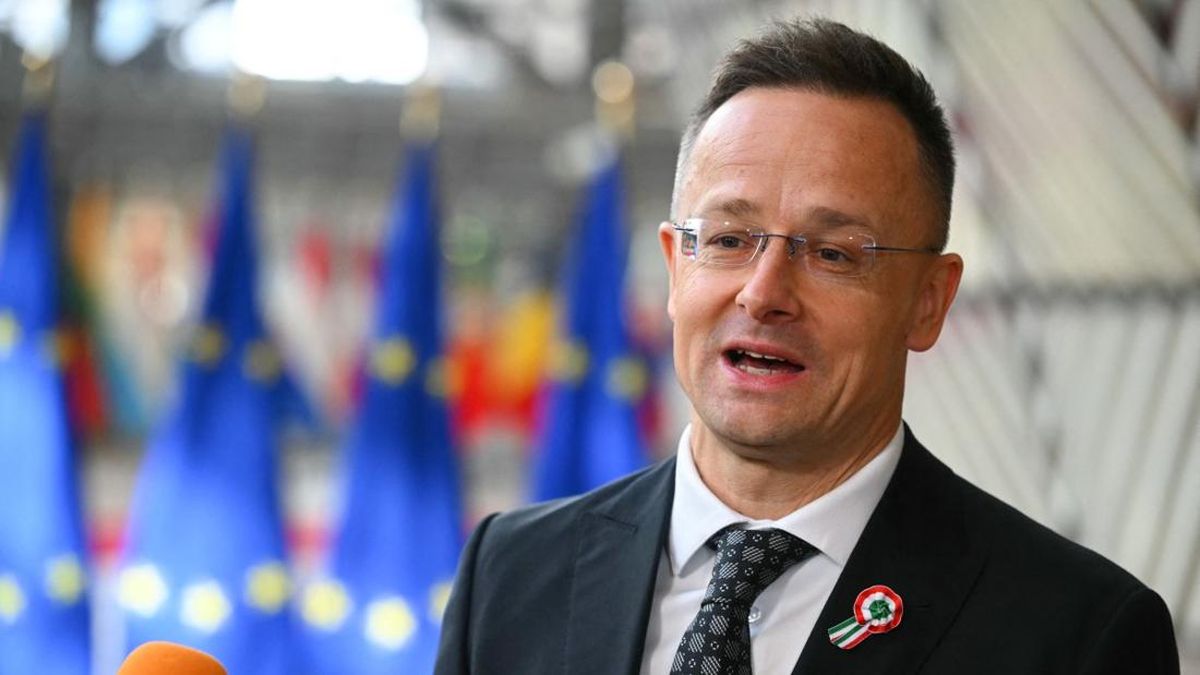
Peter Szijjarto, a prominent figure in Hungarian politics and former Minister of Foreign Affairs and Trade, has announced his departure from his parliamentary seat to assume a significant international role with BYD, the leading Chinese electric vehicle (EV) manufacturer. The announcement, made on July 15, 2026, signals a deepening strategic alliance between Hungary and China in the burgeoning new energy vehicle sector. Szijjarto, 47, who has served as a Member of the National Assembly of Hungary since 2002 and as Foreign Minister from 2014 until May of this year, revealed his career transition on his Facebook page. He characterized the move as a "highly prestigious" international appointment within one of the world’s most influential companies.
A New Chapter for a Seasoned Diplomat
In his statement, Szijjarto expressed his enthusiasm for joining BYD, highlighting the company’s remarkable success over the past two decades in the automotive industry and its global leadership in new energy vehicle manufacturing. He stated, "BYD is one of the most successful companies in the automotive industry over the past 20 years and a global leader in the manufacturing of new energy vehicles. As of today, I will be an executive responsible for the group’s external relations and the expansion of new business lines." This strategic pivot underscores Szijjarto’s extensive experience in international diplomacy and trade, which he will now leverage to bolster BYD’s global outreach and business development initiatives.
The appointment is particularly noteworthy given the escalating economic ties between Hungary and China, especially within the critical automotive sector. Hungary has actively positioned itself as a gateway for Chinese investment in Europe, particularly in the high-growth electric vehicle market. Szijjarto’s move to a key executive position within BYD is likely to further solidify this relationship, facilitating smoother negotiations and deeper collaboration between the Hungarian government and the Chinese automotive giant.
BYD’s Expanding European Footprint in Hungary
BYD’s significant investment in Hungary is a cornerstone of its European expansion strategy. In 2024, the company commenced construction of its first European production facility in Szeged, located in southern Hungary. This state-of-the-art plant is poised to become a major hub for BYD’s vehicle manufacturing in the region, contributing substantially to local employment and economic growth.
The collaboration extends beyond manufacturing. In the preceding year, the Hungarian government and BYD formalized their partnership through a strategic cooperation agreement. This pact includes the establishment of BYD’s European headquarters and a new research and development (R&D) center in Budapest. This comprehensive approach signifies BYD’s commitment to not only producing vehicles in Europe but also to integrating its operations within the continent through strategic administrative and innovation functions.
Hungary’s Vision for the EV Era
Hungarian Prime Minister Viktor Orbán has consistently articulated a vision for Hungary to become a central player in the global automotive transformation. During the signing of the strategic cooperation agreement with BYD, Orbán emphasized that the world is undergoing a profound era of change driven by new technologies and evolving consumer preferences. He specifically identified China’s leadership in EV technology as a critical factor that makes this strategic partnership a vital engine for Hungary’s economic advancement, positioning the nation at the forefront of the new automotive technology era.
This forward-looking perspective was reiterated by Prime Minister Magyari in April, who expressed aspirations for Hungarian local companies to become integral partners to major global investors like BYD and CATL. "We hope to make Hungarian local companies partners for BYD, CATL, and other major investors. I am confident that we will certainly be able to achieve mutually beneficial cooperation," stated Prime Minister Magyari, underscoring the government’s commitment to fostering a symbiotic relationship between international EV players and Hungarian businesses.
A Hub for New Energy Vehicle Supply Chains
Hungary’s strategic attractiveness for the new energy vehicle sector is evident in the growing presence of numerous Chinese companies involved in the EV supply chain. Beyond original equipment manufacturers (OEMs) like BYD, which is building a 300,000-unit vehicle production base and its European headquarters in Hungary, other EV manufacturers are also establishing significant operations. Nio, for instance, has set up a European energy plant focused on battery swapping station manufacturing and R&D, further diversifying Hungary’s role in the EV ecosystem.
The upstream supply chain is equally robust. Major power battery manufacturers, including CATL, EVE Energy, and Sunwoda, have all committed to building battery production plants within Hungary. These investments are crucial for supporting the large-scale production of EVs and for ensuring a stable and localized supply of essential components. The concentration of these key industry players in Hungary creates a synergistic environment, fostering innovation, job creation, and economic development.
Broader Implications and Strategic Significance
Peter Szijjarto’s transition from a high-profile ministerial role to an executive position within BYD is more than just a career change; it represents a significant development in the geopolitical and economic landscape of the automotive industry. His deep understanding of Hungarian policy, coupled with his extensive network and diplomatic acumen, positions him as an invaluable asset for BYD as it navigates the complexities of the European market. This appointment could streamline regulatory processes, facilitate market access, and strengthen BYD’s engagement with European governments and stakeholders.
Furthermore, Szijjarto’s move underscores a broader trend of political figures transitioning into influential roles within multinational corporations, particularly in sectors experiencing rapid growth and strategic importance. This phenomenon raises questions about the interplay between public service and private enterprise, and the potential for former officials to leverage their expertise and connections for corporate advantage. In the context of the global EV race, such strategic appointments can significantly shape market dynamics and national industrial policies.
The substantial investments by Chinese EV companies in Hungary not only contribute to economic growth but also place Hungary at the center of Europe’s transition to sustainable transportation. This strategic positioning, however, also comes with its own set of challenges, including ensuring fair competition, managing environmental impacts, and navigating potential geopolitical sensitivities related to increasing reliance on Chinese technology and manufacturing.
As BYD continues to scale up its operations in Hungary, the company’s success will likely be intertwined with its ability to integrate seamlessly into the European market, meet stringent regulatory standards, and adapt to local consumer preferences. Szijjarto’s role will be critical in navigating these challenges and opportunities, acting as a bridge between BYD’s global ambitions and its European operational realities. The long-term implications of this strategic partnership will undoubtedly influence the future trajectory of the European automotive industry and Hungary’s economic standing within it.
The timeline of these developments paints a clear picture of Hungary’s deliberate strategy:
- 2024: BYD begins construction of its first European EV production facility in Szeged, Hungary.
- Prior Year (2023): The Hungarian government and BYD sign a strategic cooperation agreement, including plans for BYD’s European headquarters and R&D center in Budapest.
- April (of the current year): Prime Minister Magyari reaffirms the vision of fostering partnerships between Hungarian local companies and major EV investors.
- July 15, 2026: Peter Szijjarto announces his resignation from parliament to join BYD as an executive responsible for external relations and new business lines.
This chronological progression highlights a sustained and strategic effort by Hungary to attract and integrate leading players in the new energy vehicle sector, with BYD emerging as a cornerstone of this ambitious industrial policy. Szijjarto’s appointment is the latest, and perhaps most significant, development in this ongoing narrative, signaling a new phase of enhanced collaboration and strategic alignment. The global automotive industry is in a period of unprecedented transformation, and Hungary, through such strategic partnerships and the appointment of experienced figures like Peter Szijjarto, is actively seeking to shape its future.