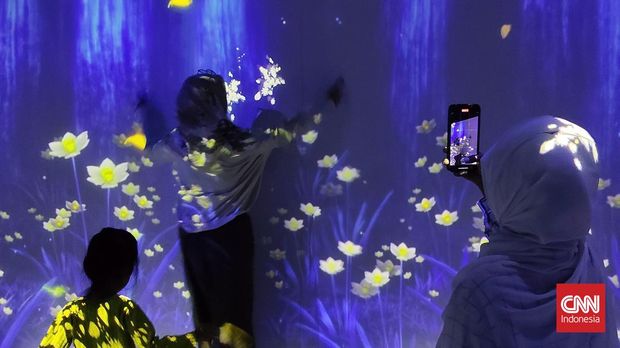
Bank Indonesia (BI) has affirmed its unwavering dedication to uplifting and preserving the rich cultural heritage of the Indonesian archipelago, a commitment manifested prominently through the initiatives of the Museum Bank Indonesia (MUBI) and the intricate designs embedded within the nation’s currency, the rupiah. This strategic approach is integral to BI’s broader mission, extending beyond its core functions of monetary policy and financial stability to encompass the crucial task of cultural legacy preservation and public education. The institution views itself not merely as a custodian of economic history but as an active proponent of national identity, utilizing its platforms to foster a deeper appreciation for Indonesia’s diverse cultural tapestry among its citizens.
BI’s Holistic Approach to Cultural Preservation
The central bank’s commitment to cultural preservation is multifaceted, integrating historical stewardship with contemporary educational outreach. Sani Eka Duta, Director of BI’s Communication Department, underscored this dual role during an informal central banking lecture commemorating MUBI’s 17th anniversary in Jakarta on Thursday, July 23. He articulated that Museum Bank Indonesia transcends the traditional role of a "guardian of the past," evolving into a dynamic educational hub for the community. This perspective highlights MUBI’s active engagement in making history and culture accessible and relevant to modern audiences.
Furthermore, the design of the rupiah currency serves as a ubiquitous, daily reminder of Indonesia’s cultural wealth. As Sani elaborated, Indonesian banknotes are meticulously designed with two distinct sides: one typically featuring national heroes, and the reverse showcasing various cultural elements, such as traditional dances or, in earlier series, the breathtaking natural landscapes of Indonesia. This deliberate integration of cultural motifs transforms each rupiah note into a miniature canvas, constantly reinforcing national pride and cultural awareness among its users. This practice is a testament to BI’s understanding that culture is not merely an aesthetic embellishment but a fundamental component of national identity and resilience.
The Museum Bank Indonesia: A Beacon of Heritage and Education
Established in 2006, the Museum Bank Indonesia, housed in the beautifully restored neo-classical building that once served as the headquarters of De Javasche Bank (BI’s predecessor), stands as a monumental testament to Indonesia’s economic and cultural journey. The museum’s strategic location in Jakarta’s Old Town (Kota Tua) district further anchors its significance, placing it amidst other historical landmarks that collectively narrate the nation’s past. Over its 17 years of operation, MUBI has evolved into a pivotal institution, attracting a diverse range of visitors, from local students and families to international tourists, all eager to delve into the rich narratives it presents.
MUBI’s mission extends beyond mere exhibition. It actively curates a vast collection of artifacts, including historical currencies, central banking instruments, and documents that chronicle the evolution of Indonesia’s financial system from the colonial era to the present day. However, its unique strength lies in its ability to interweave this economic history with the broader cultural development of the archipelago. By showcasing how economic policies and currency designs have always been intertwined with societal values and artistic expressions, MUBI provides a holistic understanding of the nation’s progress.
Rio Wardhanu, Head of Museum Bank Indonesia, reiterated MUBI’s commitment to continuously innovate its educational programs and cultural exhibitions. He emphasized that these initiatives are crucial for strengthening public literacy regarding Indonesia’s economic history and cultural heritage. MUBI routinely hosts a variety of programs designed to engage different age groups and interests, including guided museum tours led by certified educators, interactive educational workshops, and thematic exhibitions that forge connections between central banking history and Nusantara’s diverse cultures. These programs are meticulously crafted to transform learning into an immersive and enjoyable experience, fostering a deeper connection to the nation’s past and present. The success of these initiatives can be partially measured by the steady increase in visitor numbers, which prior to global disruptions, often saw hundreds of thousands of visitors annually, demonstrating a significant public appetite for cultural and historical engagement.
Rupiah: A Living Chronicle of Indonesian Identity
The Indonesian rupiah, far from being just a medium of exchange, is a deliberate and dynamic repository of national identity. The process of selecting cultural elements for currency designs involves extensive research and collaboration with cultural experts, historians, and artists to ensure accuracy, relevance, and representativeness. This careful curation ensures that each denomination tells a part of the Indonesian story. For instance, recent rupiah series have featured traditional dances like the Tari Legong from Bali, Tari Topeng Betawi from Jakarta, and Tari Pakarena from South Sulawesi, alongside iconic natural wonders such as Mount Bromo, Raja Ampat, and Lake Toba. These choices are not arbitrary; they reflect the immense geographical and ethnic diversity of Indonesia, a nation comprising over 17,000 islands, hundreds of ethnic groups, and more than 700 spoken languages.
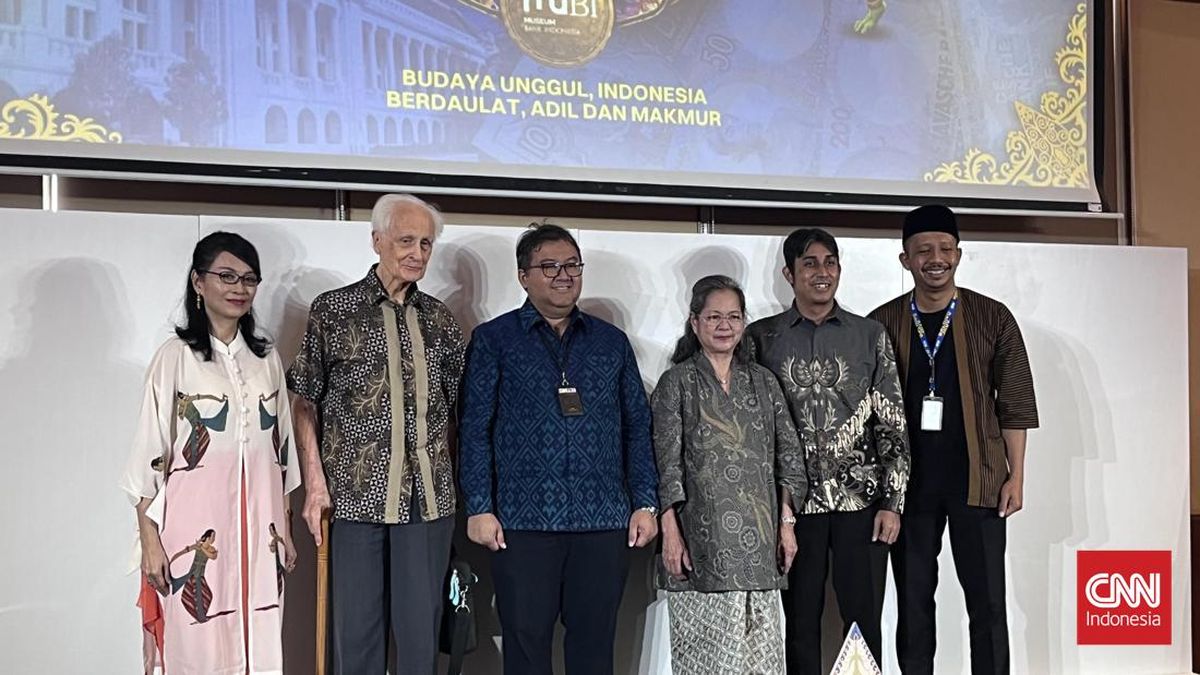
By integrating these elements, BI aims to achieve several objectives:
- Cultural Awareness: To constantly remind citizens, especially younger generations, of the immense cultural wealth they inherit.
- National Pride: To instill a sense of pride and belonging, reinforcing a shared national identity amidst diversity.
- Educational Tool: To serve as an informal educational medium, sparking curiosity about the origins and significance of the depicted elements.
- International Recognition: To subtly showcase Indonesia’s unique culture to the global community through its internationally circulated currency.
Sani Eka Duta highlighted that this artistic endeavor on currency notes is a continuous effort by BI to remind society of Indonesia’s unparalleled cultural and artistic richness, which must be diligently preserved. "Indonesia is a country rich in culture and art. What this museum does will not stop here. We will continue to hold exhibitions to educate the public that Bank Indonesia is also present to preserve every culture we possess as a nation," he emphasized, signaling a long-term vision for cultural advocacy.
"Ingat Wayang, Ingat Indonesia": A Thematic Exhibition
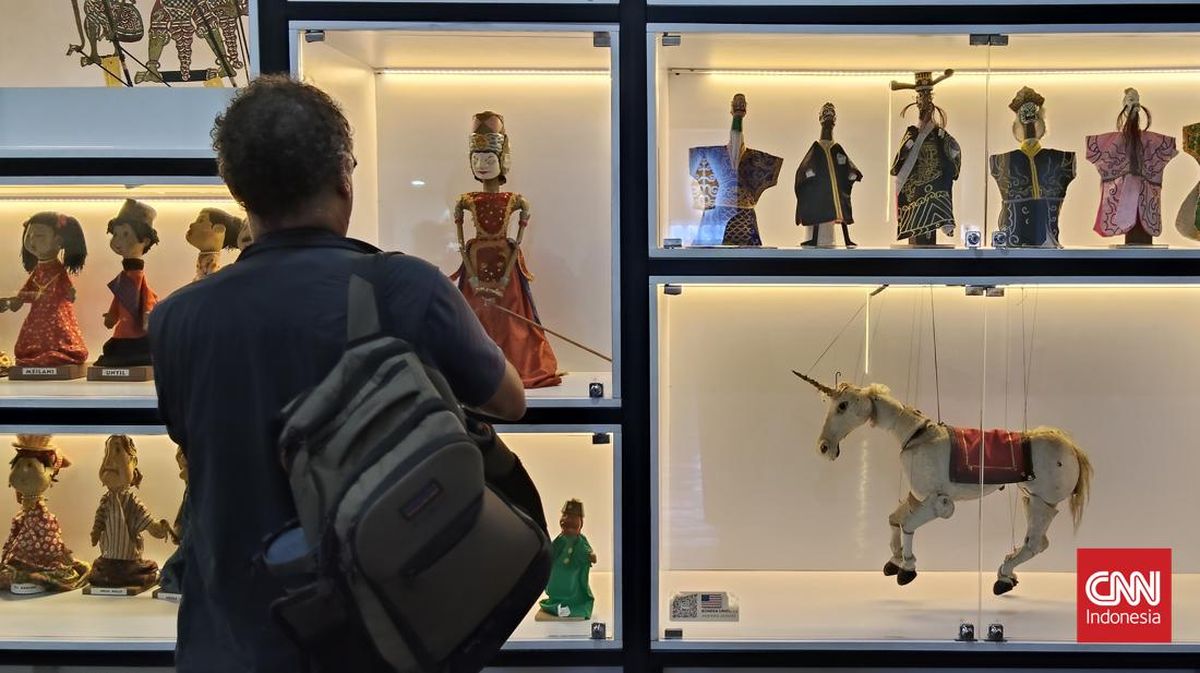
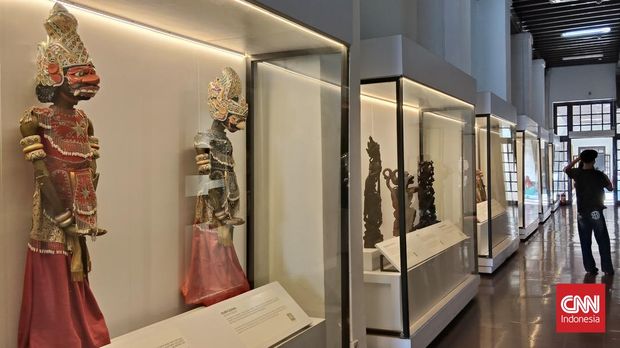
The 17th anniversary celebration of Museum Bank Indonesia was marked by the launch of a captivating exhibition titled "Ingat Wayang, Ingat Indonesia" (Remember Wayang, Remember Indonesia). This thematic choice is particularly poignant, aiming to re-engage younger generations with the profound historical and cultural significance of Wayang. Sani explained that this theme was chosen to underscore the inseparable link between the nation’s economic journey and its cultural evolution. Wayang, an ancient form of puppet theatre, holds a unique place in Indonesian history, having influenced various aspects of society, including its economy. Historically, Wayang imagery even appeared on currency issued by De Javasche Bank, illustrating its long-standing connection to the nation’s financial narrative.
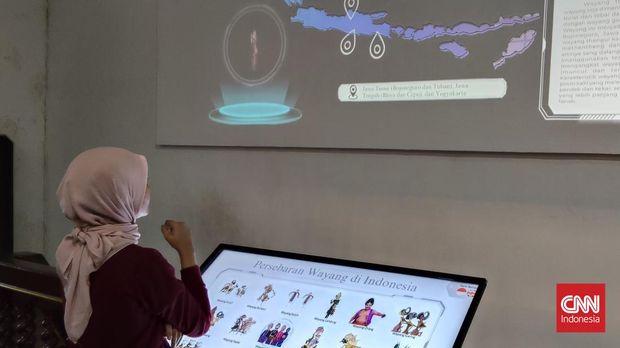
Wayang, specifically Wayang Kulit (shadow puppet theatre) from Java and Bali, was officially recognized by UNESCO as a Masterpiece of Oral and Intangible Heritage of Humanity in 2003. This international acknowledgment underscores its universal value and the urgent need for its preservation. The exhibition at MUBI delves into the various forms of Wayang, including Wayang Orang (human Wayang performance) and Wayang Golek (three-dimensional wooden puppets), tracing their origins, artistic nuances, and societal roles. It showcases historical artifacts, photographs, and interactive displays that illuminate Wayang’s evolution and its portrayal on past currencies.
The selection of Wayang as the central theme also addresses a contemporary challenge. Sani pointed out that traditional Wayang performances, particularly Wayang Orang, are currently facing significant hurdles in attracting new audiences and maintaining their relevance in a rapidly modernizing society dominated by digital entertainment. "This effort is made by Bank Indonesia as part of an effort to reintroduce to the public that we have an extraordinary culture, namely Wayang Orang. We must support this so that our children and grandchildren not only see Wayang Orang from pictures but also get to know it directly," he urged. This statement reflects a proactive stance by BI to leverage its institutional influence and public platform to advocate for endangered cultural forms, ensuring their continuity for future generations. The exhibition, which opened on June 3, 2026, and runs until the end of August, offers a unique opportunity for visitors to rediscover and appreciate this magnificent art form.
Broader Implications and Future Outlook
Bank Indonesia’s sustained commitment to cultural preservation carries significant broader implications for the nation. Firstly, it reinforces the idea that economic prosperity and cultural vibrancy are not mutually exclusive but rather interdependent. A nation proud of its heritage is often a more resilient and cohesive one. By investing in cultural education, BI contributes to the formation of an informed citizenry that understands its roots and values its unique identity.
Secondly, these initiatives bolster Indonesia’s soft power on the international stage. When foreign visitors encounter the rich cultural tapestry depicted on the rupiah or experience the depth of Indonesian history at MUBI, it enhances the nation’s global image, fostering appreciation and interest beyond its economic prowess. This can indirectly contribute to tourism, foreign investment, and cultural exchange programs.
Thirdly, for the youth, MUBI and the rupiah designs act as critical bridges to their heritage. In an era of globalization and rapid technological change, there is a risk of traditional cultures being marginalized. BI’s efforts actively counteract this trend by making cultural heritage engaging and accessible, thereby fostering a sense of ownership and responsibility among younger generations to continue these traditions. Cultural observers and educators frequently emphasize that exposing children to their heritage through interactive experiences like those offered by MUBI can significantly impact their identity formation and appreciation for diversity.
Looking ahead, the commitment from Bank Indonesia appears steadfast. Rio Wardhanu affirmed MUBI’s dedication to continuous innovation, promising diverse programs and exhibitions that will continue to connect Indonesia’s rich past with its dynamic present. This ongoing endeavor aligns with the broader national agenda of promoting Pancasila values and strengthening national unity through an appreciation of Indonesia’s diverse cultural foundations. BI’s role, therefore, transcends its statutory economic functions, positioning it as a vital institution in the ongoing narrative of nation-building and cultural stewardship. Through its Museum and the very currency it issues, Bank Indonesia continues to ensure that the heartbeat of Nusantara’s culture resonates clearly and vibrantly across generations.