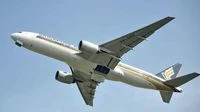
The global aviation landscape has witnessed a significant shift in regional dominance as Southeast Asian carriers assert their presence, claiming nine spots in the prestigious 2026 Skytrax World’s Top 100 Airlines list. This achievement highlights a period of aggressive post-pandemic recovery, fleet modernization, and enhanced service delivery across the ASEAN region. As the industry recalibrates following years of economic volatility, the performance of these carriers underscores the region’s increasing importance as a central hub for global travel and commerce.
Singapore Airlines has reclaimed the top spot, being crowned the World’s Best Airline for 2026. This victory marks the sixth time the Singaporean flag carrier has secured the top honor, a testament to its consistent focus on luxury, efficiency, and passenger experience. Following a brief departure from the summit, the airline’s return to the pinnacle of the Skytrax rankings reinforces its position as the industry benchmark for service quality.
The Methodology Behind the Oscar of Aviation
The Skytrax World Airline Awards, widely recognized as the "Oscars of the Aviation Industry," represent the gold standard in performance evaluation. The 2026 rankings were compiled through an extensive, year-long survey conducted between September 2025 and August 2026. The data encompasses insights from more than 24 million international travelers representing over 100 nationalities.
With 325 airlines evaluated, the criteria for selection are rigorous. Passengers grade carriers on a multifaceted range of metrics, including ground-based services, airport check-in efficiency, cabin comfort, catering quality, in-flight entertainment, and the professionalism of cabin crew. The methodology ensures that both the hard product—such as aircraft condition—and the soft product—the human element of hospitality—are weighted significantly in the final scoring.
A Renaissance for Southeast Asian Carriers
The rise of Southeast Asian airlines in the 2026 rankings is not a coincidental phenomenon but the result of strategic long-term planning. Thai Airways, for instance, has surged nine places to reach the 20th position. This upward trajectory coincides with the airline’s massive operational expansion, with 66 routes scheduled for the 2026/2027 winter season to capture the surge in seasonal tourism.
Malaysia Airlines has similarly demonstrated resilience, climbing six spots to the 21st position. Industry analysts attribute this success to a comprehensive multi-year transformation program that prioritized fleet upgrades, digital integration, and a refined loyalty program. The airline’s ability to compete with global heavyweights is reflective of a wider regional trend of reinvestment into premium service standards.
Perhaps most impressive is the continued dominance of AirAsia. Now ranked 26th, the Malaysia-based low-cost carrier has once again secured the title of World’s Best Low-Cost Airline for the 17th consecutive year. This remarkable consistency underscores the efficacy of the carrier’s business model, which balances extreme cost-efficiency with high-volume connectivity, effectively democratizing air travel across Asia.
The Diversity of the Regional Portfolio
The Southeast Asian contingent in the top 100 is diverse, ranging from luxury flag carriers to specialized regional operators. Scoot, the budget subsidiary of Singapore Airlines, has solidified its presence at number 28, while Bangkok Airways maintains a strong foothold at number 29. The inclusion of these carriers suggests that travelers are increasingly prioritizing connectivity and reliability regardless of the service category.
Vietnam Airlines has also shown progress, climbing to 55th place. This incremental growth signals the maturing nature of Vietnam’s aviation sector, which is currently benefiting from infrastructure developments at major hubs. Meanwhile, Royal Brunei Airlines has made a notable jump of eight positions to rank 93rd, highlighting the carrier’s successful niche-marketing strategy.
The inclusion of Sun PhuQuoc Airways at number 99 is particularly noteworthy as it represents a new generation of boutique airlines. By focusing on the strategic expansion of routes connecting the resort destination of Phu Quoc to major metropolitan hubs like Seoul, Singapore, and Kuala Lumpur, the airline has successfully tapped into the post-pandemic demand for leisure-focused travel.
Notable Absences and Competitive Pressures
While the performance of the nine Southeast Asian airlines is cause for celebration, the absence of any Indonesian carrier from the top 100 list remains a point of concern for regional aviation analysts. Historically, Indonesian aviation has been defined by massive domestic demand and a complex archipelago geography. However, the lack of representation in the top 100 suggests that domestic carriers may be struggling to meet the stringent global service quality and efficiency benchmarks established by Skytrax.
The challenges facing the Indonesian market are multi-faceted, ranging from aging infrastructure to regulatory hurdles that impact operational costs. Industry observers note that without a renewed focus on fleet renewal and a shift in service strategy, domestic carriers risk falling further behind their regional counterparts who have embraced global standards of passenger satisfaction.
Global Context: The Battle for the Top Five
While Southeast Asian carriers celebrated their gains, the global top five remained a fierce battleground. Qatar Airways, the 2025 winner, was relegated to the second spot in 2026. The competition at the top remains intense, with Cathay Pacific Airways climbing to third place, followed by All Nippon Airways (ANA) in fourth, and Turkish Airlines rounding out the top five.
The shift in these rankings highlights a shifting preference among travelers. While luxury remains a priority, there is an increasing demand for airlines that can deliver a seamless, high-tech experience. Turkish Airlines, in particular, has seen a steady rise due to its strategic geographical advantage and its ability to connect diverse global markets with an upgraded fleet.
Implications for the Future of Aviation
The 2026 Skytrax rankings serve as more than just a marketing tool for winning airlines; they act as a barometer for the health of the global aviation industry. The success of the nine Southeast Asian airlines points to a regional market that is increasingly professionalized and competitive.
- Strategic Investment: The airlines that moved up the list consistently showed heavy investment in cabin hardware and digital infrastructure.
- Tourism Integration: Carriers that aligned their schedules with regional tourism trends—such as Thai Airways and Sun PhuQuoc Airways—demonstrated that route planning is just as critical as service quality.
- Operational Resilience: The ability to recover from the operational disruptions of 2024 and 2025 has clearly distinguished the top-tier airlines from those that remain stagnant.
For passengers, these rankings provide a transparent look at which airlines are truly prioritizing their comfort and safety. For governments and aviation authorities, the data serves as a call to action to improve airport infrastructure and ease regulatory burdens to foster a more competitive environment.
Conclusion
The 2026 Skytrax World Airline Awards have solidified Southeast Asia’s reputation as a burgeoning powerhouse in the global aviation industry. By securing nine positions in the top 100, the region has proven its capacity for excellence, innovation, and growth. As these carriers continue to expand their fleets and refine their passenger experience, the competition for the top spots will only intensify. Whether through the luxury offerings of Singapore Airlines or the efficient, low-cost model of AirAsia, the region’s airlines are successfully shaping the future of global air travel.
As the industry moves forward, the focus will undoubtedly shift toward sustainability, digital transformation, and the continued integration of travel ecosystems. For those countries currently absent from the list, the roadmap provided by the top performers offers a clear directive: service excellence, consistent investment, and a passenger-centric philosophy are the only paths to global recognition in an increasingly crowded and competitive sky.