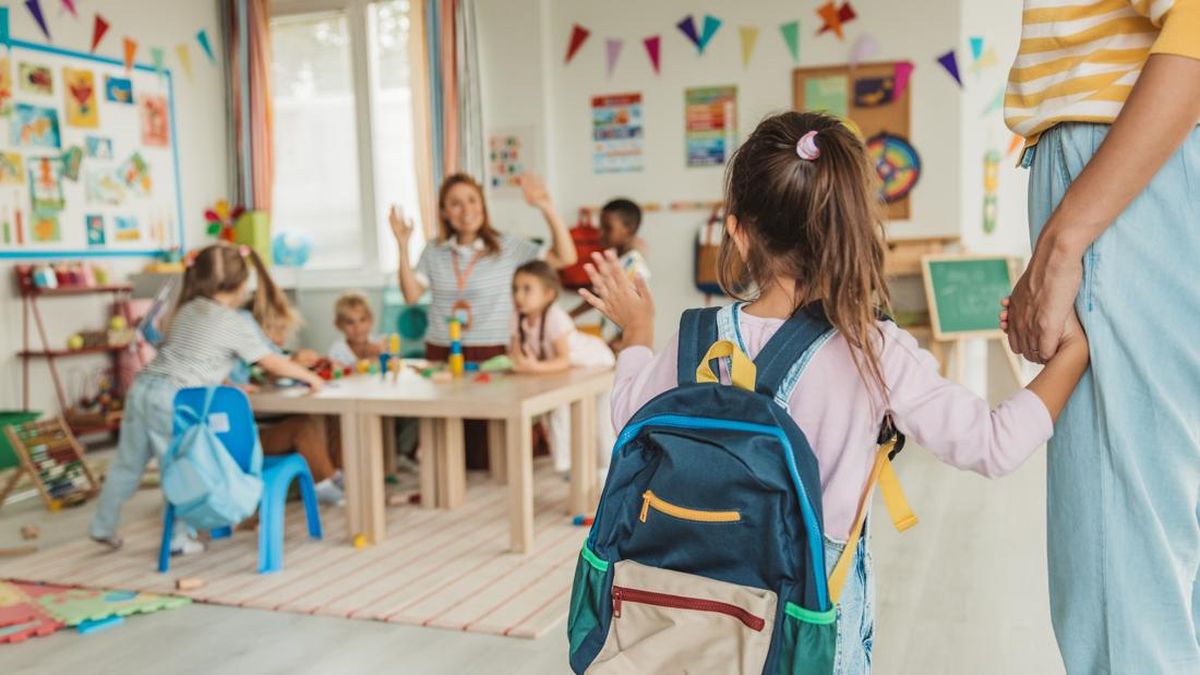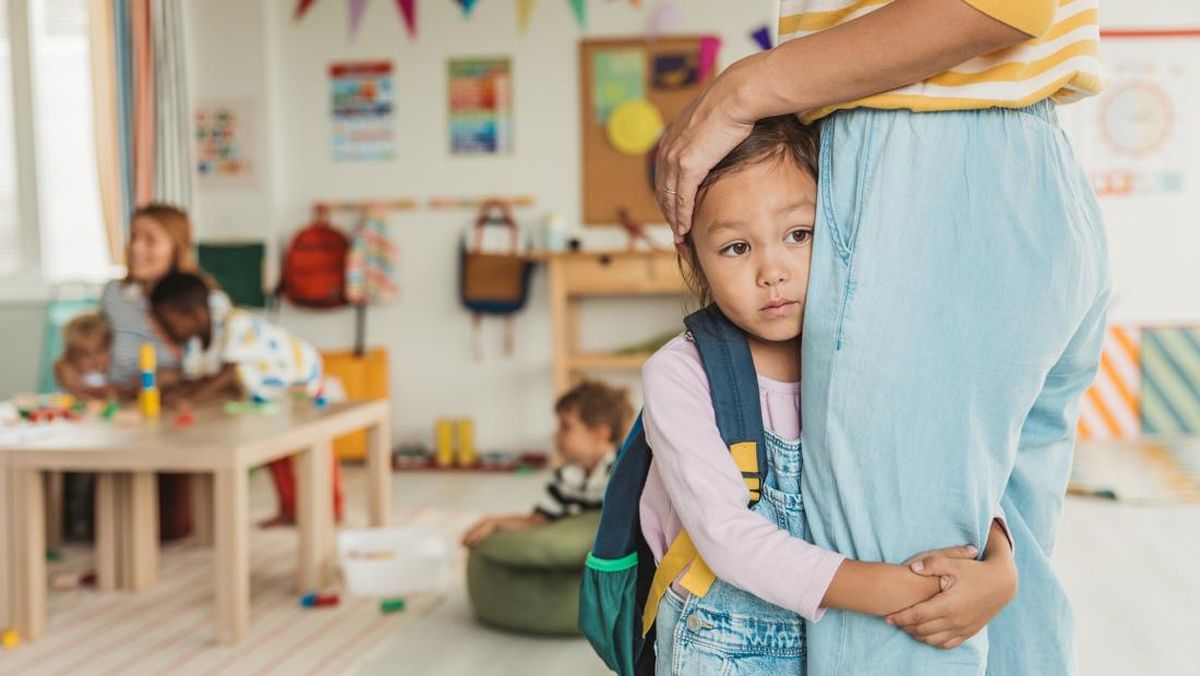
The emotional bond between a parent and a child serves as the fundamental architecture for a child’s psychological development, influencing not only their internal emotional landscape but also how they navigate, interpret, and interact with the external world. In the field of developmental psychology, this foundational connection is defined as "secure attachment," a state of emotional safety that acts as a blueprint for a child’s future relationships, cognitive abilities, and social competence. As children grow, their capacity to express themselves—through laughter, tears, curiosity, or silence—is directly mediated by the quality of the responsiveness they receive from their primary caregivers.
The Developmental Significance of Early Attachment
Research conducted by organizations such as Raising Children suggests that the early years of life are critical for neural development. During this formative period, every interaction between a parent and child functions as a data point. When a caregiver responds with consistency and warmth, the child begins to construct a worldview characterized by predictability and trust. Conversely, inconsistent or dismissive caregiving can lead to heightened anxiety or avoidant behaviors.
Data from the American Academy of Pediatrics underscores that secure attachment is a protective factor against long-term developmental challenges. Children who feel securely attached are statistically more likely to demonstrate higher levels of resilience, better emotional regulation, and improved academic performance. The biological mechanism behind this is the regulation of stress hormones like cortisol; when a parent provides a "safe haven," the child’s physiological stress response is dampened, allowing the brain to shift focus from survival-based anxiety to exploration and learning.
A Chronology of Relational Growth
The development of this bond is not static; it evolves through distinct stages. In infancy, the attachment is primarily physiological, centered on the relief of hunger, cold, or physical discomfort. As the child enters the toddler years, the nature of the bond shifts toward "proximity seeking." By the age of two or three, the child begins to utilize the parent as a "secure base" from which to explore.
Historically, the study of these bonds gained prominence in the mid-20th century through the work of John Bowlby and Mary Ainsworth. Their "Strange Situation" procedure—a controlled observational study—mapped how infants respond to separation and reunion with caregivers. The findings remain a cornerstone of modern parenting literature: children who display signs of comfort and seek solace upon the return of a parent are categorized as having a secure attachment style. This foundational research continues to inform contemporary clinical practices, emphasizing that the "secure base" is not a sign of dependency, but rather a catalyst for independence.
Key Indicators of Emotional Safety and Comfort
While the nuances of a child’s personality influence their behavior, several universal signals suggest a healthy, secure, and comfortable attachment to their parents. These markers are often subtle, woven into the fabric of daily domestic life.
1. Spontaneous Expressions of Affection
The tendency for a child to offer unprompted physical affection—a hug, holding hands, or leaning against a parent—is a primary indicator of trust. Maureen Healy, an expert in child development and author of The Emotionally Healthy Child, notes that these gestures are not merely "cute" behaviors; they are manifestations of a nervous system that feels safe enough to let its guard down. When a child initiates affection, they are confirming that the caregiver is a reliable source of emotional nourishment.
2. The Use of Social Referencing
Perhaps the most telling sign of a secure bond is social referencing, where a child looks to their parent for cues when encountering the unknown. Whether it is meeting a stranger or entering a new environment, a child will often pause and observe the parent’s facial expression. If the parent exudes calm and confidence, the child feels empowered to proceed. This confirms that the child views the parent as a reliable informant about the safety of the world.
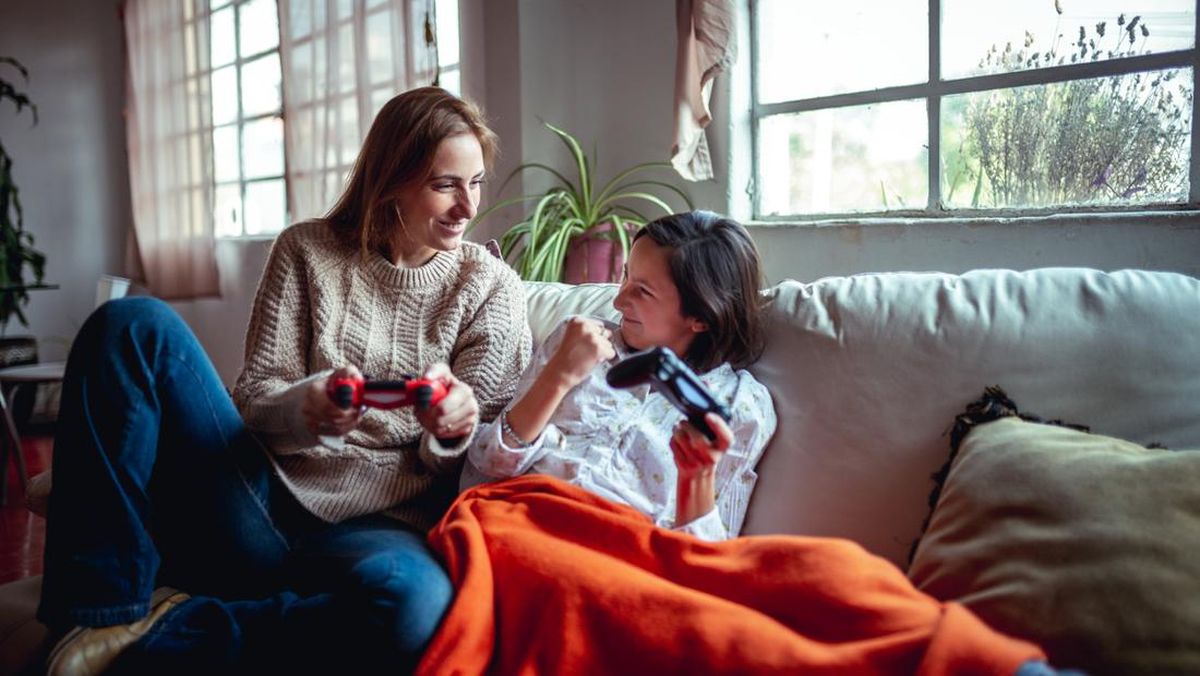
3. Proactive Conflict Resolution and Comfort Seeking
Psychologist Michael Mintz notes that a secure child does not hide their distress from a parent; rather, they seek them out. When a child is injured, frightened, or emotionally overwhelmed, their immediate impulse to return to the parent for soothing is a hallmark of a healthy attachment. This behavior is often misunderstood by observers as "clinginess," but from a psychological standpoint, it is a sign of high-functioning emotional intelligence—the child knows exactly where to go to restore their internal equilibrium.
4. Verbal and Creative Sharing
As children develop language, the inclination to share mundane details of their day—a drawing, a story from school, or a sudden observation—is a significant indicator of comfort. This "sharing behavior" signals that the child perceives the parent as an engaged, interested audience. By actively listening and validating these small disclosures, parents reinforce the child’s sense of self-worth and strengthen the communicative bridge between them.
Analysis: The Impact of Responsiveness
The implications of these interactions extend far beyond the family home. Research consistently shows that children who experience high levels of parental responsiveness demonstrate a higher degree of empathy toward others. By observing how their parents handle their needs, children learn the mechanics of care, which they eventually mirror in their peer relationships.
However, it is essential to distinguish between responsiveness and over-indulgence. Experts emphasize that being "present" does not require constant entertainment or the removal of all obstacles. Instead, it requires "attunement"—the ability to recognize the child’s emotional state and provide the appropriate level of support. When a parent allows a child to experience minor frustrations while remaining available for comfort, they are facilitating the development of grit and problem-solving skills.
Challenges in the Digital Age
Modern parenting faces unique pressures, specifically regarding the "distracted parent" phenomenon. Research from the University of California, Irvine, suggests that frequent interruptions caused by digital devices (often termed "technoference") can disrupt the subtle cues of attachment. When a child attempts to engage their parent and is met with a screen rather than eye contact, the cycle of secure attachment can be subtly undermined.
Journalistic reporting from various family wellness outlets indicates that even short periods of focused, screen-free interaction—such as "bedtime rituals" or "active play"—can effectively counteract these digital distractions. The quality of the time spent, rather than the quantity, remains the gold standard for fostering a secure bond.
Official Perspectives and Long-term Implications
Clinical practitioners, including those at the American Psychological Association (APA), emphasize that attachment is a two-way street. It is not an innate trait that a child either has or lacks; it is a relational outcome. If a parent identifies that their child is not showing signs of comfort or is displaying avoidant behavior, the APA suggests that the "attachment style" is often malleable.
Through intentional efforts—such as consistent routines, active listening, and providing non-judgmental spaces for emotional expression—the bond can be strengthened even in later childhood. The broader societal impact of fostering these secure attachments is significant; secure children grow into adults who are generally more capable of sustaining long-term professional relationships, managing stress, and contributing positively to their communities.
In conclusion, the signs of a child’s comfort with their parents—ranging from a spontaneous smile to the seeking of solace during a crisis—are manifestations of a complex, evolving, and vital psychological process. As the world becomes increasingly complex, the role of the parent as a steady, responsive anchor remains the most critical factor in a child’s ability to navigate their future with confidence and emotional maturity. Recognizing these signals allows parents not only to appreciate the current strength of their relationship but also to continue building the essential foundation for their child’s lifelong well-being.