
The alarm rings, the school uniform is neatly ironed, and breakfast is served, yet the household quickly descends into chaos. For many parents, hearing a child suddenly burst into tears, complain of severe stomachaches, or stubbornly refuse to get out of bed is a deeply distressing experience. While education remains a cornerstone of a child’s social, emotional, and cognitive development, the physical act of going to school is not always met with enthusiasm. Occasional reluctance is normal, but when a child consistently manifests intense anxiety or devises endless reasons to stay home, parents often find themselves navigating uncharted and stressful territory.
Understanding the distinction between typical morning resistance and clinical school refusal is the first step toward effective intervention. Far from simple laziness or a behavioral preference for staying home, sudden and persistent school avoidance is frequently a manifestation of underlying emotional distress. Drawing from insights compiled by child development specialists, including guidelines from the Child Mind Institute, experts emphasize that decoding the root causes of this behavior requires patience, observation, and structured action. Rather than resorting to disciplinary measures or quick dismissals, families are encouraged to adopt a systematic approach to re-engaging children with their daily educational routines.
Deconstructing the Phenomenon: Defining School Refusal
School refusal is distinct from truancy. While truants generally attempt to avoid school without their parents’ knowledge, stay away to engage in other activities, and rarely experience debilitating anxiety about academic settings, children exhibiting school refusal typically stay home with their parents’ awareness. Their reluctance is fueled by acute emotional turmoil—ranging from generalized anxiety and social phobia to academic pressure and peer conflict.
Data from child psychology organizations indicate that school refusal affects between 1 and 5 percent of school-aged children, with distinct peaks occurring during transitions, such as entering kindergarten, moving to middle school, or transitioning to high school. The repercussions of unaddressed school refusal can be profound. Left unchecked, prolonged absence from the classroom can lead to chronic academic deficits, severe social isolation, and entrenched family conflict. Furthermore, the longer a child remains away from school, the more daunting the prospect of returning becomes, creating a self-reinforcing cycle of avoidance and anxiety.
Recognizing the Symptoms: Beyond Verbal Resistance
A child rarely wakes up and articulates complex psychological struggles. Instead, school refusal frequently manifests through somatic complaints. Physical symptoms such as headaches, nausea, dizziness, and gastrointestinal distress are exceptionally common. Crucially, these symptoms are not feigned; the physiological response to psychological stress is profoundly real.
Pediatricians advise that parents should always rule out underlying medical conditions first. However, if medical evaluations yield normal results, these recurring physical ailments often serve as physical manifestations of anticipatory anxiety about the upcoming school day. Additional behavioral warning signs include uncharacteristic irritability, clinging behaviors, frequent visits to the school nurse, and persistent requests to be picked up early. Recognizing these subtle indicators allows parents to intervene before temporary resistance hardens into a chronic psychological barrier.
Chronology of Intervention: A Step-by-Step Approach for Parents
When a child digs their heels in and refuses to attend school, immediate reactionary measures can exacerbate the tension. Child psychologists recommend a measured, chronological framework to address and resolve the crisis effectively.
Phase One: Active Listening and Validation
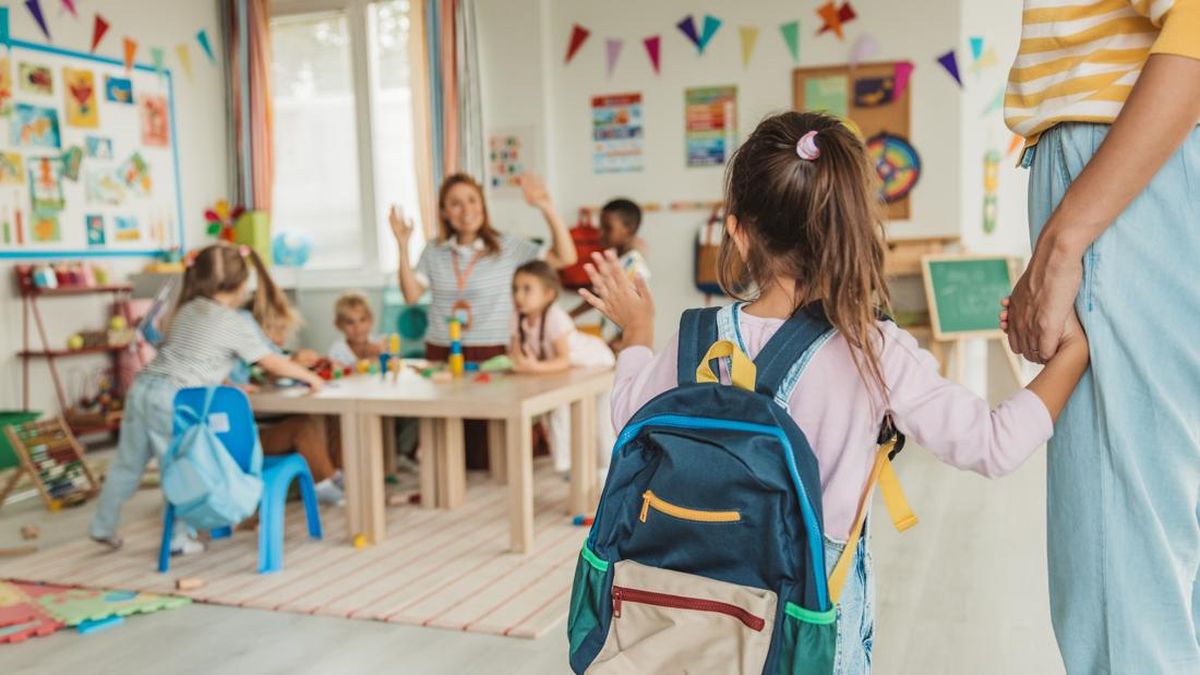
The foundational step in resolving school resistance is initiating an open, non-judgmental dialogue. Parents must resist the urge to immediately lecture, punish, or label the child as defiant. Instead, creating a safe emotional space allows the child to articulate their fears. Questions should focus on qualitative experiences: How are interactions with peers progressing? Are instructional expectations feeling overwhelming? Is there a specific teacher or classroom environment causing distress? Frequently, children harbor fears—ranging from perceived academic failure to low-level bullying—that they struggle to articulate independently.
Phase Two: Environmental Assessment and Collaboration
Once a preliminary understanding is established, parents must look outward to the school environment. Collaborating closely with teachers, school counselors, and administrators provides a holistic view of the child’s daily experience. This involves checking whether academic tasks match the child’s developmental capabilities or if social dynamics on the playground require mediation. Establishing an open line of communication ensures that educators are aware of the child’s struggles and can offer targeted in-school support, such as a designated "safe space" or a trusted adult mentor.
Phase Three: Countering the Avoidance Trap
A critical mistake in managing school refusal is allowing the home environment to become overly comfortable during school hours. If a child stays home, access to stimulating activities—such as video games, television, or social outings—must be strictly restricted. The home should remain quiet and uneventful, mirroring the structured expectations of an educational setting. Permitting prolonged stays at home inadvertently rewards the avoidance behavior, making the ultimate return to the classroom exponentially more difficult.
Phase Four: Gradual Re-Integration Strategies
For children experiencing severe anxiety, forcing an immediate, full-day return can be counterproductive. Behavioral specialists advocate for a stepped, gradual exposure model. This approach begins with low-stakes familiarity exercises: driving past the school grounds, walking the perimeter during quiet hours, or visiting the empty classroom on a weekend. Once these steps elicit lower anxiety, the child might attend for a partial day—perhaps participating in a favorite subject or a single class—before gradually scaling back up to a full schedule. This methodical pacing helps rebuild the child’s sense of safety and self-efficacy.
Professional Intervention and Broader Societal Implications
If structured parental intervention and school-based accommodations fail to yield progress over several weeks, seeking external professional help is imperative. Child psychologists and clinical social workers utilize evidence-based methodologies, such as Cognitive Behavioral Therapy (CBT), to help children identify negative thought patterns, manage somatic anxiety responses, and develop robust coping mechanisms. In complex cases involving severe depression or panic disorders, pediatric psychiatrists may collaborate with the care team to evaluate whether additional therapeutic or pharmacological interventions are warranted.
The broader implications of untreated school refusal extend far beyond individual academic performance. In an era marked by shifting educational landscapes and post-pandemic social adjustments, youth mental health has emerged as a critical public health concern. Educational institutions, mental health advocates, and policymakers increasingly emphasize that emotional well-being must be prioritized alongside traditional academic benchmarks.
Ultimately, navigating a child’s sudden resistance to schooling demands a delicate balance of empathy, firmness, and strategic action. By listening actively, recognizing the physiological markers of anxiety, collaborating with educational institutions, and engaging professional support when necessary, parents can dismantle the barriers preventing their children from thriving. Early intervention remains the most effective tool in transforming morning reluctance into an opportunity for resilience, ensuring that the school environment remains a space of growth rather than a source of distress.