The rapid advancement of digital governance in Indonesia has reached a significant milestone through the nationwide implementation of the Identitas Kependudukan Digital (IKD), commonly known as the Digital ID. Spearheaded by the Ministry of Home Affairs via the Directorate General of Population and Civil Registration (Ditjen Dukcapil), this digital transformation initiative fundamentally redefines how citizens store, manage, and utilize their official identity documents. By transitioning traditional physical identity cards into secure mobile applications, the Indonesian government aims to streamline administrative processes, integrate public service ecosystems, and establish a robust digital infrastructure for the modern era.
Despite the growing momentum of digitalization, widespread misconceptions persist regarding the compulsory nature of the application, data security protocols, and its relationship with the physical electronic identity card, known locally as the KTP-el. Regulatory frameworks, specifically Regulation of the Minister of Home Affairs (Permendagri) Number 72 of Year 2022, provide the legal foundation for the implementation of digital population documents alongside physical counterparts. As millions of residents across various provinces—including significant adoption rates in urban centers like Jakarta and surrounding satellite cities—begin adopting the technology, a comprehensive understanding of IKD’s functions, benefits, and operational guidelines remains essential for the public.
Defining the Digital Population Identity (IKD)
At its core, the Digital Population Identity serves as an electronic representation of official civil registration documents stored directly on smartphones or other compatible electronic devices. Developed as a cornerstone of Indonesia’s emerging digital public service ecosystem, the official IKD application provides users with immediate access to their personal identity data, family registries, and specialized security features such as dynamic QR codes required for specific administrative verifications.
Unlike conventional physical cards that are susceptible to wear, loss, or theft, the digital format allows for seamless retrieval whenever needed, provided the user has access to their mobile device and internet connectivity. The system is designed not merely as a digital image of a card, but as an interactive, encrypted database connected directly to the national population registry maintained by the Ministry of Home Affairs. This direct integration ensures that any updates made to a citizen’s civil status are reflected accurately within the digital infrastructure.
Regulatory Framework and the Status of Physical KTP-el
A frequent point of confusion among the populace involves whether the adoption of the digital application renders physical identification obsolete. Government officials and civil registration authorities have repeatedly clarified that the implementation of IKD under Permendagri No. 72/2022 does not immediately invalidate or replace the physical KTP-el.
Instead, the two formats function as complementary components of a comprehensive administrative strategy. While the physical KTP-el remains a fully recognized and legally binding document for all official transactions, the digital counterpart acts as an advanced tool designed to facilitate faster, more flexible interactions within environments that support digital verification. Consequently, citizens are strongly advised against discarding their physical cards upon activating their digital accounts. Both systems coexist to ensure uninterrupted service delivery, catering to diverse segments of the population that may possess varying levels of digital literacy or technological access.
Strategic Advantages of Adopting IKD
The transition toward a digitally integrated population administration system offers several tangible benefits for individual citizens and the broader public sector alike. As public services increasingly migrate to online platforms, the necessity for efficient, secure, and portable identification methods becomes paramount.
Enhanced Accessibility and Portability
Carrying physical wallets stuffed with multiple identification cards, family cards, and supplementary documents is rapidly becoming obsolete. By centralizing core civil registration data within a single mobile application, the Digital ID allows individuals to retrieve their essential identification details instantly via their smartphones. This accessibility proves particularly useful in modern urban settings and digital-first service environments where physical paperwork is increasingly discouraged.
Integration with Digital Public Services
The Indonesian government envisions the digital identity platform as a foundational gateway to a wide array of public and private sector services. By linking verified identity data to various administrative portals—ranging from social assistance programs, such as the Family Hope Program (PKH) observed in regional implementations like Gianyar, Bali, to healthcare and financial services—the system paves the way for a unified single-sign-on experience. This integration drastically reduces bureaucratic friction and eliminates the redundant entry of personal data across different government agencies.
Practicality in Daily Transactions
Beyond governmental interactions, the incorporation of secure technological features such as dynamic QR codes allows for rapid verification processes in commercial and administrative sectors. Entities that have integrated their verification systems with the Dukcapil database can authenticate a user’s identity within seconds, minimizing fraud and expediting service delivery in banking, telecommunications, and transportation sectors.
Robust Security Architecture and Data Privacy
Safeguarding sensitive personal information remains a paramount priority for the Directorate General of Population and Civil Registration. The digital application incorporates multi-layered security protocols, including biometric verification, encryption, and personalized PIN codes designed to prevent unauthorized access. However, authorities consistently emphasize that technological security must be complemented by user vigilance. Citizens bear the responsibility of protecting their device access, maintaining the confidentiality of their PINs, and refraining from sharing personal verification data with unverified third parties.
Step-by-Step Activation and Safety Protocols
Acquiring and activating a Digital ID requires specific procedures managed through official channels to maintain data integrity and prevent security breaches. Citizens cannot simply generate an account through unofficial websites or third-party applications; the process must go through the official mobile application authorized by the Ministry of Home Affairs.
The activation workflow typically involves the following stages:
- Application Download: Users must download the official IKD application from authorized digital distribution platforms onto a compatible smartphone.
- Data Input: Applicants enter their National Identity Number (NIK), registered email address, and active mobile phone number.
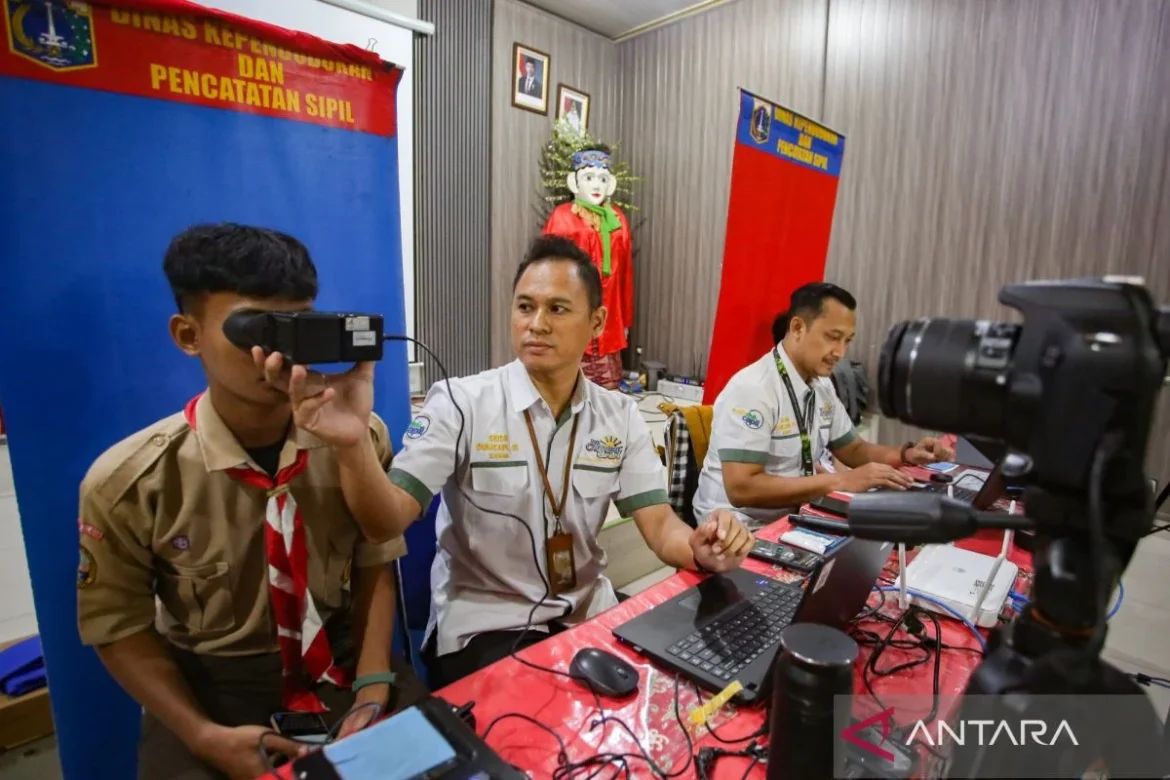
- Biometric Verification: The system conducts facial recognition and data matching against the central Dukcapil database.
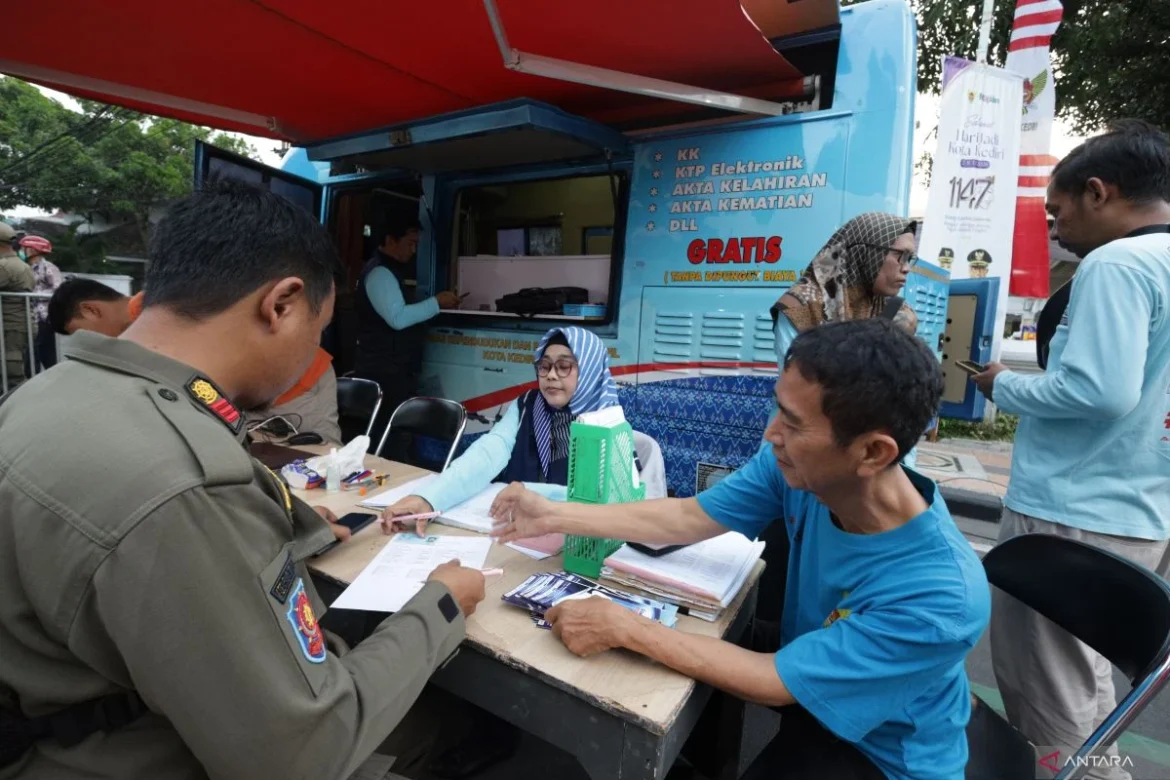
- Final Activation: In many instances, final activation requires physical or assisted verification through local civil registration offices (Dukcapil) or mobile service units deployed in sub-districts and public events, ensuring that the person registering matches the biometric profile on file.
In light of increasing digital scams, government authorities have issued stringent warnings against fraudulent accounts or individuals offering registration services via direct messaging platforms or social media. Citizens are instructed to rely exclusively on official government offices and verified mobile channels to complete their registrations, thereby mitigating the risk of identity theft and phishing attacks.
Broader Implications and Future Outlook
The sustained rollout of the Digital Population Identity across Indonesia reflects a broader national strategy to modernize bureaucratic infrastructure, enhance transparency, and foster a digitally inclusive society. Major urban centers, including the Special Capital Region of DKI Jakarta—where adoption figures have surpassed two million active users—demonstrate a high receptivity toward digital administrative tools. Meanwhile, regional municipalities such as Tangerang and Gianyar continue to push aggressive localization targets, aiming for substantial percentages of their populations to complete both e-KTP recording and digital activation.
As participation expands, the implications for national governance are profound. A unified, secure digital identity ecosystem reduces administrative overheads for the state, curtails document forgery, and empowers citizens with greater control over their personal data. While challenges regarding digital divide disparities, smartphone ownership, and rural internet connectivity still require ongoing governmental intervention, the steady progression of IKD signals a transformative era for public administration in Indonesia, bridging traditional bureaucratic frameworks with the demands of the twenty-first-century digital economy.