Friday, known as Yawm al-Jumu’ah, occupies a singular position in the Islamic calendar, regarded as the "Chief of Days" and a weekly festival for the global Muslim community. Beyond the congregational prayers that define the afternoon, historical and theological texts—most notably the Al-Mawa’izh Al-‘Usfuriyah—elucidate a series of specific ritual practices that offer significant spiritual rewards. While the recitation of Surah Al-Kahfi and the increase in salutations upon the Prophet Muhammad are widely recognized, a deeper examination of Islamic jurisprudence and classical scholarship reveals a multifaceted framework of devotion intended to elevate the believer’s spiritual standing.
Historical Context and Theological Foundations
The importance of Friday is deeply rooted in prophetic tradition. It is observed as the day of creation for Prophet Adam and the day on which the final resurrection is expected to occur. Consequently, the time spent on this day is viewed as a period of heightened divine receptivity. Classical scholars, including Syaikh Muhammad bin Abu Bakar Ushfury, have meticulously documented the virtues associated with the meticulous performance of sunnah (prophetic) acts. These practices are not merely perfunctory; they are designed to serve as a bridge between the mundane responsibilities of the week and the metaphysical aspirations of the afterlife.
The significance of these practices is underscored by the concept of "light" (nur) in Islamic cosmology. The literature suggests that intentionality in performing ritual ablutions and congregational duties results in a transformative effect on the soul, often described as a luminous protection that persists throughout the subsequent week.
The Significance of the Friday Ritual Bath (Ghusl)
Central to the Friday observance is the performance of the ritual bath. According to the Hadith traditions cited in classical texts, the act of performing ghusl with sincere intention is more than a hygiene requirement; it is a profound spiritual cleansing. The narratives state that the water used in this act serves as a medium for divine purification, promising that the skin of the believer will be adorned with radiance during the assembly of all humanity on the Day of Judgment.
Furthermore, the tradition personifies Friday as a witness. This allegory serves to remind the practitioner that their deeds are being recorded by the day itself, which will act as an advocate before the Creator. The physical preparation—donning clean attire and maintaining a focused demeanor while walking to the mosque—is incentivized with the promise that each step taken toward the place of worship is equivalent to a year of fasting and prayer. This emphasizes the value of intentionality, where the journey itself becomes an act of worship, elevating the congregant’s status before they even reach the mosque.
Scriptural Recitation and the Architecture of Light
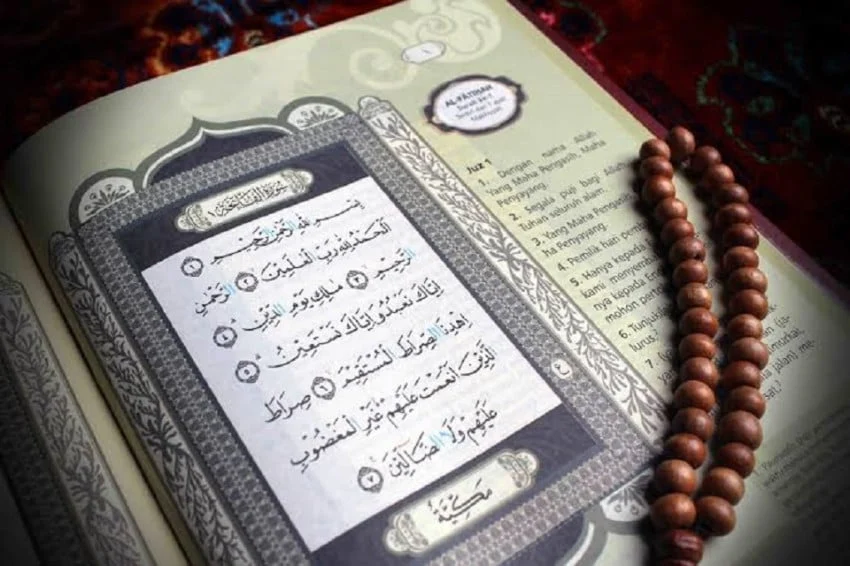
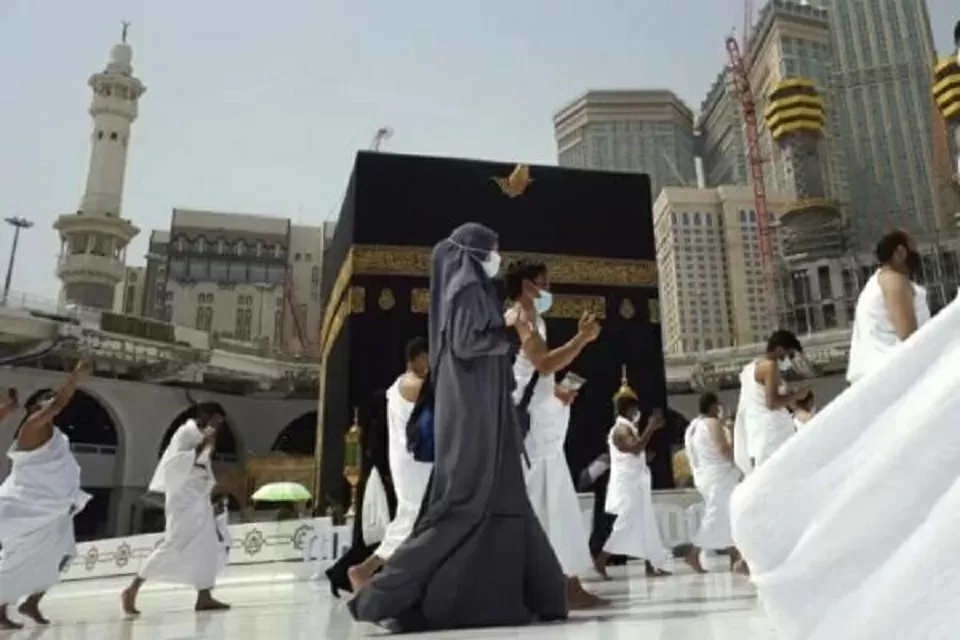
A significant component of the Friday spiritual regimen involves the recitation of Surah Al-Kahfi. Beyond its thematic importance as a safeguard against trials, the spiritual dimension of this practice is described in terms of "pillars of light." It is believed that the recitation of this chapter during Friday prayers creates a spiritual connection between the mosque where the prayer is performed and the Masjidil Haram in Makkah.
This connection is maintained by angelic intercession, where angels are tasked with seeking forgiveness for the reader until the following Friday. For those already praying within the precincts of the Masjidil Haram, the reach of this light extends to the Baitul Makmur—the celestial counterpart to the Kaaba located in the highest heaven. This imagery underscores the belief in an interconnected spiritual universe, where terrestrial acts of worship have tangible, vertical consequences in the divine realm.
Formalized Prayer Protocols and Pre-Khatib Devotions
The period immediately preceding the ascent of the Imam to the mimbar (pulpit) for the Khutbah is considered a critical window of opportunity. Classical scholars recommend the performance of four rakaat of prayer, characterized by specific recitations: one occurrence of Surah Al-Fatihah followed by Surah Al-Ikhlas 50 times in each rakaat. This equates to 200 recitations of Al-Ikhlas, a practice said to fulfill the spiritual obligations of the day in a manner consistent with the worship of angels.
The implications of this specific practice are profound. By engaging in this intensive form of dhikr (remembrance), the believer is said to gain a vision of their ultimate destination in Paradise while still in the temporal world. This serves as a psychological and spiritual anchor, reinforcing the believer’s conviction and providing a sense of purpose that transcends the immediate challenges of their professional and personal lives.
Post-Prayer Supplication and Economic Engagement
The conclusion of the Friday prayer is not the end of the spiritual cycle but rather a transition back into the world. A specific supplication is recommended for the moment the congregant exits the mosque, which serves to bridge the gap between religious duty and economic activity. The prayer, which translates to a request for sustenance through divine grace, acknowledges the Quranic command to disperse across the earth in search of God’s bounty once the prayer is concluded.
This practice reflects the Islamic economic philosophy: work is viewed as an extension of worship. By reciting this prayer, the believer asserts that their labor is a continuation of their service to the Divine, thereby sanctifying their daily professional efforts. The tradition promises the reward of two centuries of righteous deeds for those who maintain this consistency, highlighting the multiplier effect of synchronized religious and worldly activity.
Fact-Based Analysis of Implications
From a sociological perspective, the rigorous observance of these Friday rituals serves several functions within the Muslim community. Firstly, it fosters a sense of communal identity. When thousands of individuals engage in the same practices—the bath, the specific prayers, the recitation of the same scripture—it creates a synchronized rhythm that strengthens social cohesion.
Secondly, the psychological impact of these rituals should not be underestimated. In an era often characterized by high-speed productivity and secular stressors, the dedicated time for reflection, prayer, and spiritual cleansing acts as a mechanism for mental recalibration. The emphasis on "light" and "divine protection" provides a sense of security and optimism that is essential for long-term well-being.
Thirdly, the integration of these practices into the weekly cycle encourages a disciplined lifestyle. By setting aside specific blocks of time for elevated acts of worship, the individual learns to manage their time with greater care, prioritizing tasks that offer both material and spiritual benefit.
Broader Impact on Global Muslim Practice
While these practices are deeply rooted in classical texts, they continue to be relevant in contemporary Islamic practice. Across the globe, from the traditional madrasas of the Middle East to urban mosques in Southeast Asia, these rituals remain a hallmark of the devout. The persistence of these traditions suggests that they provide a necessary link to the Prophetic era, maintaining a sense of continuity in an ever-changing world.
Moreover, the emphasis on these specific, often lesser-known practices encourages a deeper study of Islamic history and theology. It invites the believer to look beyond the minimum requirements of their faith and engage with the more sophisticated layers of worship. As scholars continue to digitize and translate these classical texts, the accessibility of such knowledge increases, allowing for a more informed and nuanced practice among younger generations.
Conclusion: The Synthesis of Ritual and Reality
The observance of Friday in Islam is a sophisticated synthesis of ritual, reflection, and social engagement. By incorporating the recommended sunnah practices—the ritual bath, the recitation of Surah Al-Kahfi, the specific pre-khutbah prayers, and the post-prayer supplications—the believer moves beyond the superficial aspects of religion and enters a deeper state of spiritual awareness.
These actions are designed to transform the individual, providing them with the moral and psychological tools to navigate the world with integrity. As the believer moves from the mosque into their professional life, the echoes of the Friday prayers serve as a reminder of their higher purpose. Ultimately, the "fadhilah" or profound virtues promised in these texts are not merely rewards in the afterlife, but catalysts for a more meaningful, disciplined, and spiritually enriched existence in the present. The challenge for the modern believer lies in balancing the demands of contemporary life with the timeless call to spiritual excellence that Friday represents.