
Jakarta, CNN Indonesia – The Museum Wayang, nestled within the historic Kota Tua district of Jakarta, is undergoing a significant transformation, shedding its traditional image to embrace modern educational approaches and engage a new generation with the rich heritage of Indonesian puppetry. Moving beyond the common perception of museums as somber and dusty repositories, this institution is actively redefining how visitors can connect with the intricate world of wayang, a cultural art form deeply rooted in tradition yet presented in contemporary ways.
A Gateway to Indonesian Cultural Heritage
Located in close proximity to the Jakarta History Museum (Museum Fatahillah), the Museum Wayang serves as a vital gateway to understanding the diverse cultural products of the Nusantara archipelago. It positions wayang not merely as a form of entertainment but as a powerful medium for transmitting values and specific teachings. The museum is thoughtfully organized into several zones, designed to guide visitors through the evolution of wayang, showcasing its myriad local and international variations, and delving into the narratives that animate these performances.
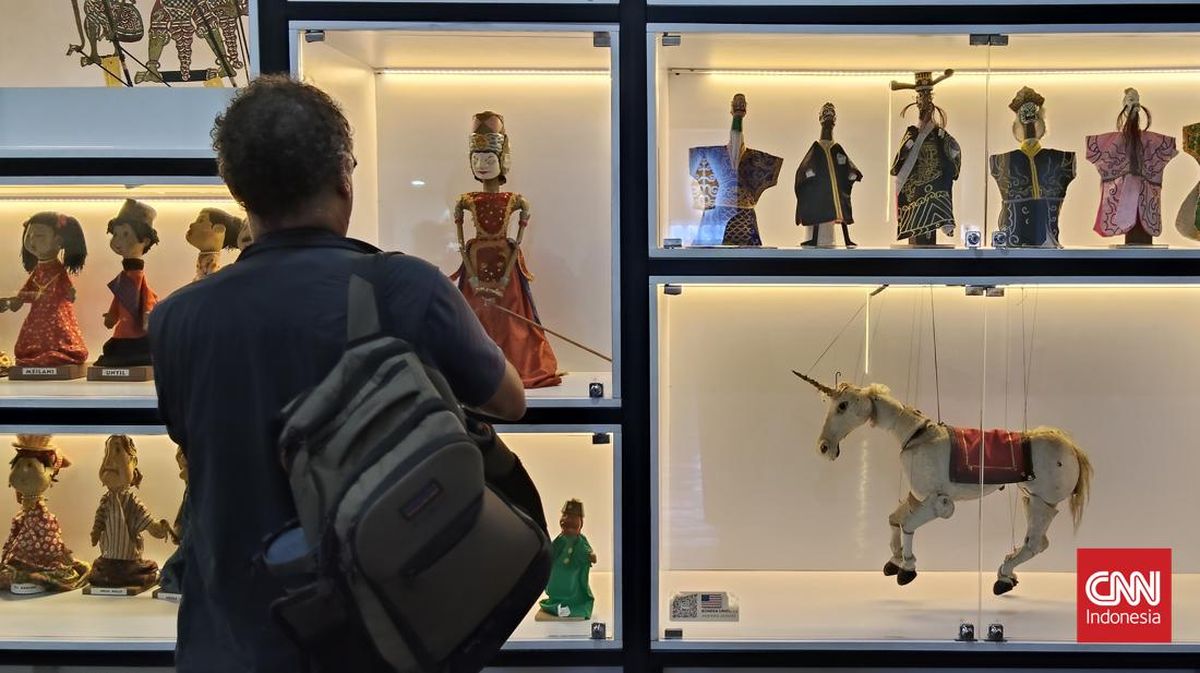
Upon entering, visitors are greeted by imposing, larger-than-life wayang golek figures—Ramawijaya, Rahwana, and Duryudana—standing sentinel on the left. To the right, a historical narrative unfolds, detailing the establishment of the museum itself. This initial encounter sets the stage for a journey that bridges the past and the present.
From Colonial Church to Cultural Hub: A Historical Trajectory
The very foundation of the Museum Wayang carries a layered history. Prior to its current incarnation, the site was occupied by a Dutch church known as oude hollandsche kerk or Kruiskerk, consecrated in 1632. After suffering damage, a new church was erected and inaugurated in 1736. However, by 1808, this church was dismantled and its materials sold, partly due to earthquake damage. The building subsequently transitioned through various functions, serving as a warehouse before eventually becoming a museum.
It was on August 13, 1975, that the edifice officially became the Museum Wayang. Before this, it housed the Stedelijk Museum (City Museum) starting in 1939, and later the Old Jakarta Museum (Museum Jakarta Lama) in 1962. This historical progression underscores the building’s enduring role as a keeper of Jakarta’s and Indonesia’s heritage, adapting its purpose through different eras.
Exploring the Diverse Spectrum of Wayang
The museum’s exhibition spaces are meticulously arranged to highlight the vast diversity of wayang. Visitors will discover that wayang golek, often associated with West Java, also has regional variations such as Wayang Golek Menak Kebumen and Wayang Golek Menak Pekalongan. West Java itself boasts its own distinct styles like Wayang Golek Pakuan Bogor and Wayang Golek Cepak Cirebon.
Adjacent to these are examples of Wayang Klithik, crafted from thin layers of wood. The name "Klithik" is derived from the distinct ‘klithik klithik’ sound produced by these wooden pieces as they strike each other during a performance.
An intriguing element in this early zone is the presence of a tombstone and a vacant garden plot. This serves as a reminder of the building’s past as a Dutch church, which included a cemetery. This burial ground once housed prominent VOC figures, their families, soldiers, and notably, Governor-General Jan Pieterszoon Coen, who served from 1627 to 1629. This historical vestige adds a unique layer of context to the museum’s narrative.
Wayang Across the Archipelago and Beyond
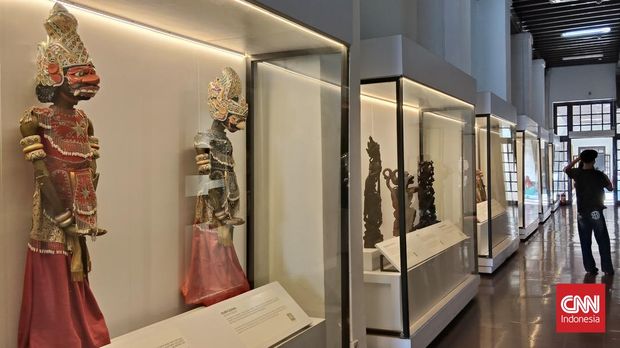
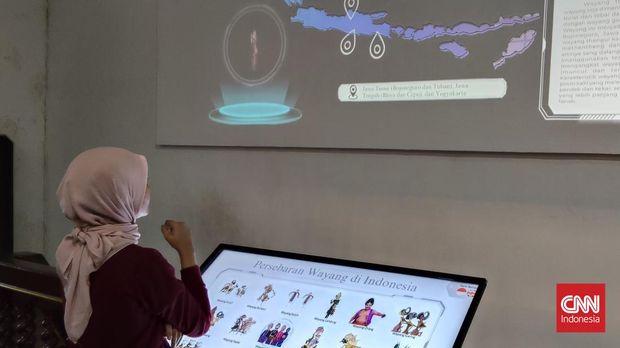
Ascending to the second floor, visitors enter a zone dedicated to showcasing the far-reaching presence of wayang, not confined to the island of Java. Interactive touchscreens provide a dynamic platform for exploring this geographical breadth, offering information through audio and visual aids. Visitors can delve into the specifics of Wayang Potehi, Wayang Palembang, Wayang Papua, or Wayang Sasak.
While the visual presentation primarily relies on maps and text accompanying audio narratives, a potential enhancement for future exhibitions could involve incorporating video footage of wayang performances from their regions of origin. Such additions would undoubtedly enrich the immersive experience and provide a more visceral understanding of these traditions.
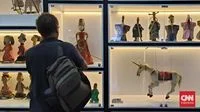
This section further expands the scope to include various forms of wayang and puppet performances from different countries. These international exhibits demonstrate how Indonesian wayang has inspired and been adapted to local cultures worldwide. Countries represented include India, the Czech Republic, Suriname, Cambodia, Sweden, the United States, South Korea, Sri Lanka, the United Kingdom, France, Russia, Vietnam, Thailand, and Malaysia. This global perspective underscores the universal appeal and adaptability of the wayang art form.
Specialized Forms of Wayang
Among the noteworthy exhibits is Wayang Wahyu, a form of shadow puppetry created by Brother Timotheus Wignyosubroto, a monk from Surakarta, in 1959. The puppets were later crafted by the puppeteer Rusradi in 1960. This particular form of wayang is used to disseminate Catholic teachings, illustrating the diverse applications and adaptations of the traditional art.
Another significant collection is Wayang Revolusi or Wayang Perjuangan (Revolutionary Wayang or Struggle Wayang). These puppets depict figures from Indonesia’s struggle for independence, such as Soekarno and Mohammad Hatta. Their attire often reflects a more modern aesthetic, symbolizing their roles in a pivotal period of national history.
Embracing Technology for Enhanced Engagement
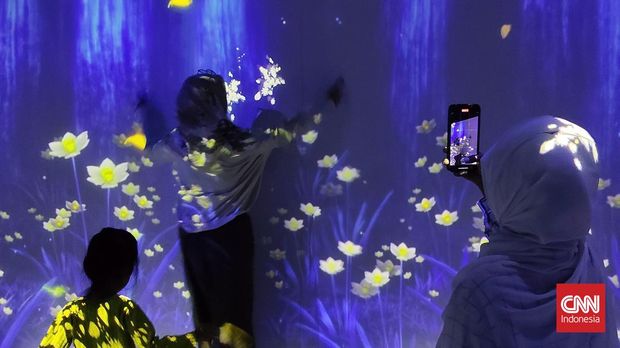
The Museum Wayang is not merely a static display of artifacts; it actively integrates modern technology as a pedagogical tool. The Immersive Room stands out as a prime example of this innovative approach, inviting visitors to step directly into the narratives of wayang performances through cutting-edge interactive technology.
Within the Immersive Room, visitors are enveloped in a 360-degree visual and auditory experience, simulating the sensation of being part of the story. This offers a captivating alternative to traditional film viewing. Following this, the Interactive Arena and Interactive Ramp provide further opportunities for engagement, allowing visitors to actively participate and explore. Notably, access to these advanced facilities is included with general admission, requiring only a simple registration and adherence to scheduled time slots.
The Immersive Room operates with specific schedules: Tuesday to Friday from 09:30 to 15:00 WIB, and Saturday to Sunday from 09:30 to 18:00 WIB. Sessions are organized in 30-minute intervals, ensuring a continuous flow of visitors and optimal viewing experiences.
A Passport to Cultural Discovery
For enthusiastic visitors, the museum offers a unique opportunity to collect stamps for their Museum Passports. Three distinct stamp designs are available, encouraging repeat visits and a deeper exploration of the museum’s offerings. This initiative adds a gamified element to the museum experience, incentivizing engagement and making the visit more memorable.
The Museum Wayang’s strategic embrace of technology and its commitment to presenting tradition in accessible, engaging formats are crucial steps in ensuring the longevity and relevance of wayang for future generations. By transforming the perception of museums and revitalizing the way cultural heritage is experienced, the Museum Wayang is proving that tradition and modernity can indeed coexist and flourish. The ongoing efforts to innovate and adapt signal a promising future for this vital Indonesian art form.
