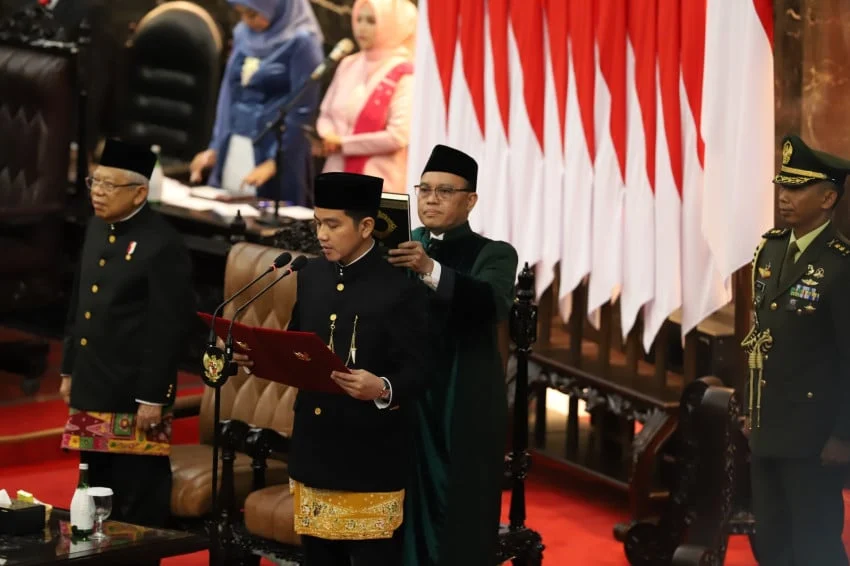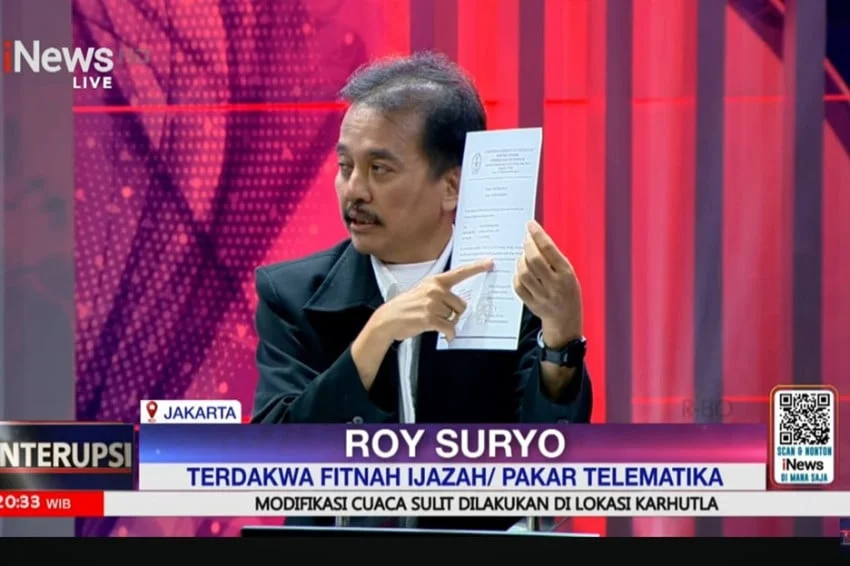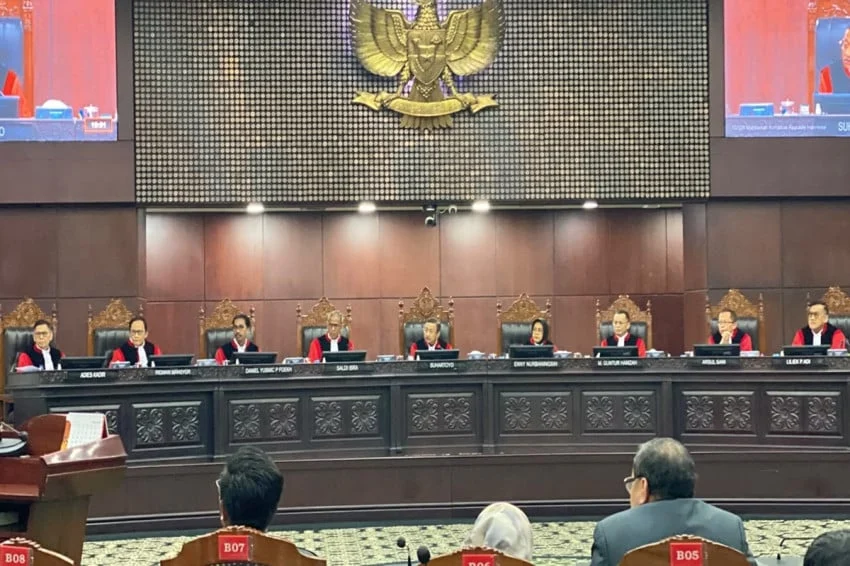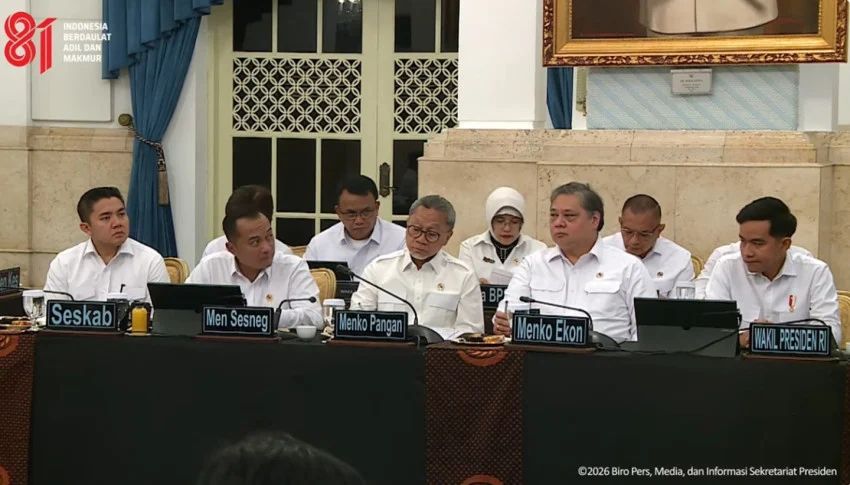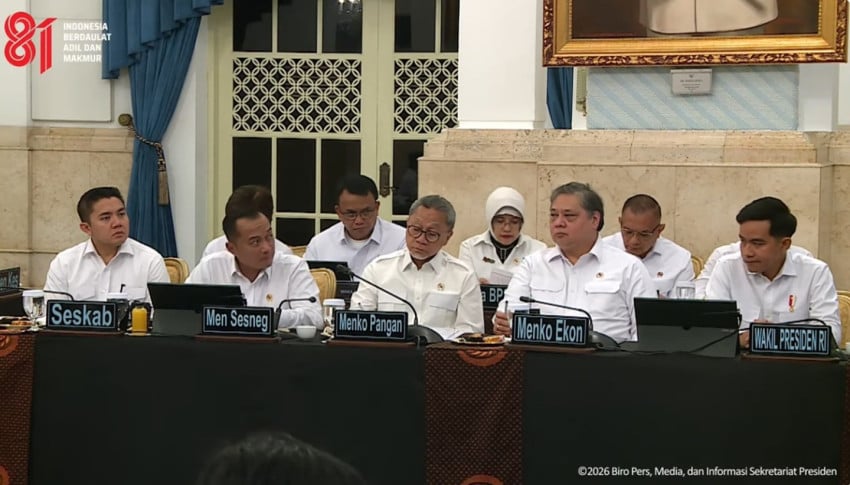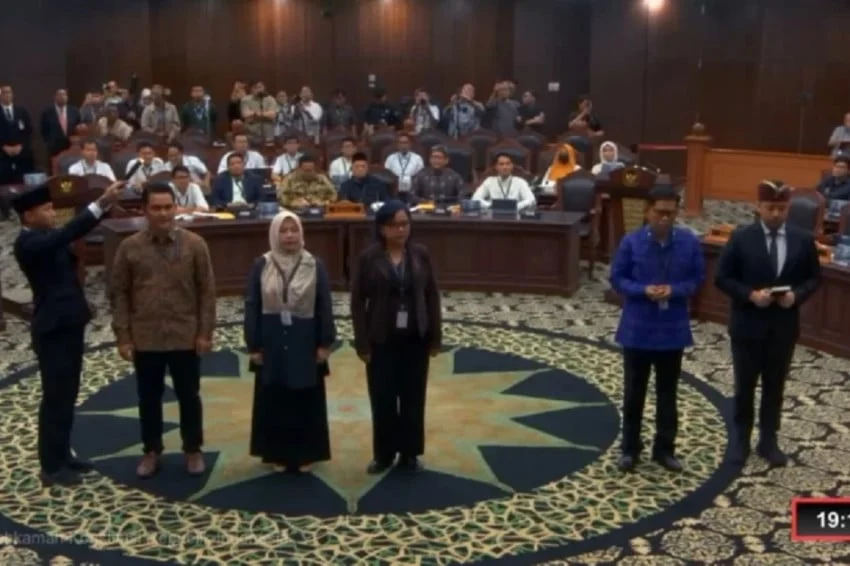
The Constitutional Court (Mahkamah Konstitusi/MK) of the Republic of Indonesia convened a pivotal evidentiary hearing on Wednesday evening, September 30, 2026, to address the ongoing Dispute over General Election Results (PHPU) concerning the presidential and vice-presidential elections. The focus of the proceedings, held at the MKRI 1 Building in Jakarta, centers on allegations regarding the academic credentials and the validity of the diploma held by Vice President Gibran Rakabuming Raka. This legal challenge, brought forward by a coalition led by legal expert Denny Indrayana, represents a critical juncture in the post-election landscape, testing the limits of judicial oversight regarding the eligibility requirements of high-ranking state officials.
The Proceedings: Legal Rigor in the Courtroom
Presided over by Constitutional Court Justice Saldi Isra, the hearing functioned as an evidentiary session where the petitioners sought to substantiate their claims through expert testimony and supplemental evidence. The atmosphere inside the courtroom was tense, as the implications of the case reach the core of the legitimacy of the current administration.
Justice Saldi Isra underscored the strict procedural limitations governing the hearing. Addressing the petitioners, the court clarified that while they were granted the opportunity to present a specific number of witnesses and experts, the court would not tolerate procedural dilatory tactics. Specifically, when the petitioners attempted to replace a witness who failed to appear, the Court maintained its stance that no further substitutions would be permitted. Justice Saldi noted that for those unable to attend, the court would accept written testimonies, ensuring that the evidentiary process remains within the bounds of the established legal timeline.
The experts presented by the petitioners included Yance Arizona, Titi Anggraini, and Bivitri Susanti—all prominent legal scholars known for their focus on constitutional law and election integrity. The sole witness presented during this session was I Gusti Putu Artha, a former member of the General Elections Commission (KPU), who provided testimony regarding the administrative vetting processes involved in the vice-presidential candidacy registration.
Chronology of the Dispute
The controversy surrounding Vice President Gibran Rakabuming Raka’s academic qualifications is not a new development; it has been a recurring theme throughout the 2024 election cycle.
- Pre-Election Challenges (2023): Initial claims regarding the authenticity of the diploma were raised during the candidate registration period. At the time, the KPU verified the documents submitted by all candidates, including Gibran, confirming they met the statutory requirements for candidacy.
- Post-Election Litigation (Early 2026): Following the declaration of the election results, Denny Indrayana and his team formally filed a petition with the Constitutional Court, citing concerns over the transparency and verification of educational credentials.
- Court Acceptance (Mid-2026): The Constitutional Court admitted the petition for preliminary hearings to determine if there were sufficient grounds to proceed with a full evidentiary session.
- Evidentiary Hearing (September 30, 2026): The court moved into the formal proof-gathering stage, requiring the petitioners to present experts and witnesses to challenge the validity of the diploma.
Context and Statutory Requirements
Under Indonesian law, specifically the Election Law, candidates for President and Vice President must hold at least a high school diploma (or equivalent). The requirement is intended to ensure a baseline level of formal education for those aspiring to the nation’s highest offices. However, the definition of "equivalent" and the verification process for diplomas from foreign institutions or specialized programs have historically been subjects of legal debate.
Critics, led by the petitioners, argue that the verification process conducted by the KPU during the candidacy phase was superficial and failed to address substantive discrepancies in the documents. Conversely, legal defenders of the Vice President maintain that the diploma has undergone rigorous scrutiny by relevant educational authorities and that the ongoing litigation is an attempt to undermine the democratic mandate provided by the electorate.
The Role of Expert Witnesses
The presence of Titi Anggraini, a senior advisor to the Association for Elections and Democracy (Perludem), brings significant weight to the petitioner’s argument. Her expertise in electoral law provides a framework for the Court to analyze whether procedural failures in verifying credentials could potentially invalidate a candidate’s eligibility.
Similarly, Bivitri Susanti, a constitutional law expert, focused her testimony on the constitutional obligations of the state to ensure that candidates meet all prerequisites before ascending to power. The expert testimonies are intended to bridge the gap between the administrative documents provided by the candidate and the broader constitutional principles of transparency and public accountability.
Institutional Implications and Political Stability
The Constitutional Court’s decision to move to the evidentiary phase is, in itself, a significant signal. While the court has not yet ruled on the merits of the case, the fact that experts were sworn in and evidence was formally submitted suggests that the Court is treating the matter as a justiciable constitutional issue rather than a purely political dispute.
The broader implications of this trial are twofold. First, it tests the institutional resilience of the Constitutional Court in a polarized political environment. The judiciary is under immense pressure to remain neutral, as any ruling—whether for or against the Vice President—will be interpreted through the lens of political alignment. Second, the case addresses the standards for "candidacy integrity." If the Court finds that the verification process was flawed, it may lead to a legislative push for more robust, standardized vetting procedures for future presidential candidates, potentially involving third-party academic auditors.
Official Responses and Public Sentiment
While the Office of the Vice President has generally refrained from commenting on the ongoing litigation, citing the independence of the judiciary, supporters of the administration argue that the case is a distraction from the government’s development agenda. Legal teams representing the related parties in the election have previously maintained that all documentation was submitted according to law and that the challenges are "meritless" and "politically motivated."
On the other hand, the petitioners argue that this is not about political outcomes but about the sanctity of the law. They contend that if the highest office in the land can be held by someone whose academic credentials are under a cloud of doubt, it sets a dangerous precedent for all public offices in Indonesia.
The Road Ahead
As the Constitutional Court continues to deliberate, the legal community is keenly watching the weight given to the testimony of I Gusti Putu Artha. As a former election commissioner, his insights into how the KPU handles document verification provide the court with an insider’s view of the administrative failures or successes that occurred during the registration period.
The next steps in the process will likely involve the Court reviewing the supplemental evidence and potentially calling for rebuttal witnesses from the side of the defense. The timeline for a final verdict remains subject to the court’s internal deliberations, but the urgency with which the evidentiary phase is being conducted suggests that the court is aiming to resolve the dispute before the end of the year to prevent prolonged political uncertainty.
Ultimately, the case of the "Gibran Diploma" serves as a landmark test for Indonesian democratic institutions. Regardless of the outcome, the fact that such a dispute has reached the highest court in the land demonstrates the vitality of the legal system in addressing questions of eligibility and institutional integrity. As the hearings conclude, the final judgment will not only impact the tenure of the current Vice President but will also shape the future of election law and the vetting standards for candidates in the world’s third-largest democracy. The public remains expectant, waiting to see whether the Court will uphold the status quo or demand a higher level of accountability for the nation’s leaders.