
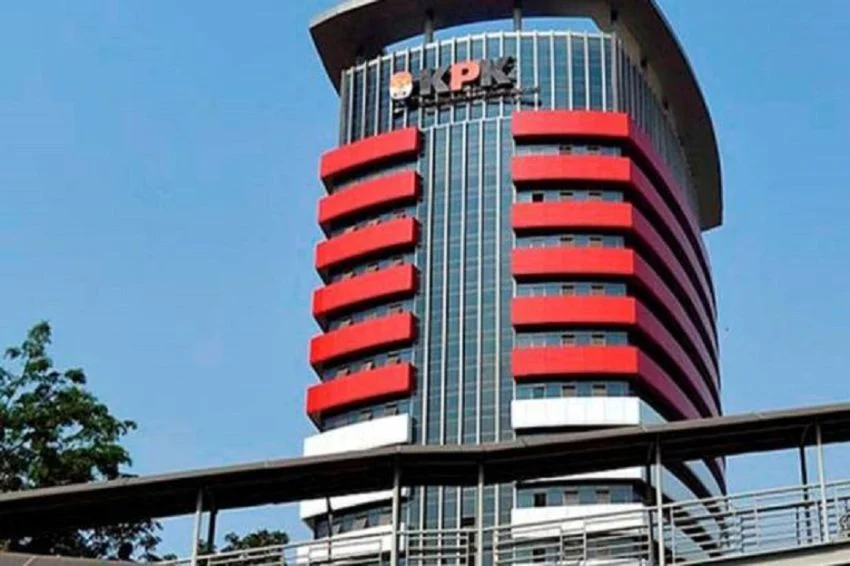
Jakarta – The Corruption Eradication Commission (KPK) has initiated a new phase of investigation into the alleged bribery and gratification case that ensnared Muhammad Fikri Thobari, the former Regent of Rejang Lebong. This development signals an expansion of the ongoing probe, moving beyond the initial arrests and suspect designations.
While the KPK has confirmed the issuance of a new "Sprindik" (Surat Perintah Penyidikan or Investigation Order), a spokesperson stated that no new suspects have been named at this juncture. Budi Prasetyo, a KPK spokesperson, clarified on Monday, July 20, 2026, that the newly issued order is a "general investigation order," indicating a broader scope for the inquiry. This suggests that the commission is actively seeking to uncover further evidence, identify additional individuals involved, or potentially uncover new dimensions to the existing allegations.
The initial case against Muhammad Fikri Thobari stemmed from allegations that he solicited "fees" from contractors involved in physical projects within the Rejang Lebong Regency’s Public Works, Spatial Planning, Housing, and Settlement Area Agency (PUPRPKP). This practice, if proven, would constitute a severe abuse of power and a clear violation of public trust, as it implies that public contracts were awarded not based on merit but on illicit financial incentives.
Chronology of the Rejang Lebong Corruption Case
The investigation into the Rejang Lebong Regency’s alleged corruption has unfolded over a period, with significant developments leading to the current expansion.
Initial Arrests and Suspect Designation: The KPK’s initial action involved the arrest of several individuals, including Regent Muhammad Fikri Thobari. The commission publicly announced that it had designated five suspects in connection with an Operation Hand Catch (OTT) sting. These suspects were categorized into two groups: three individuals identified as bribe-givers and two as bribe-receivers. This initial designation strongly suggested a network of individuals involved in the alleged illegal transactions.
Focus on Bribery and Gratification: The core of the allegations revolves around bribery and gratification. Bribery typically involves offering, giving, receiving, or soliciting something of value to influence the actions of an official. Gratification, in a broader sense, can encompass any form of benefit or advantage received by an official beyond their legitimate salary and allowances, often implying an impropriety in its acquisition. In this context, the KPK is investigating whether Thobari, as a public official, leveraged his position to extract payments from contractors in exchange for awarding lucrative government projects.
Contractor Involvement: The involvement of contractors is a crucial element. The KPK has specifically named two individuals for questioning in relation to the expanded investigation: Dian Putri Bungsu (DP), identified as a Sales Marketing representative for PT Cahaya Mas Cemerlang, and Muhammad Heriyanto (MHR), who holds multiple directorships, including Director of CV Buana Com, Director of PT Buana Hasta Karya, and Commissioner of PT Andal Bina Mandiri. These individuals, representing private entities that would typically bid for government contracts, are being summoned as witnesses, suggesting their potential knowledge of or involvement in the alleged fee-for-project scheme. The fact that PT Cahaya Mas Cemerlang and entities associated with Muhammad Heriyanto were likely involved in bidding for projects managed by the Rejang Lebong Regency’s PUPRPKP highlights the direct link between the alleged bribery and the projects themselves.
Expansion of Investigation: The issuance of a new "Sprindik umum" signifies that the KPK is not merely consolidating existing evidence but actively pursuing new leads. This could involve:
- Uncovering Additional Bribes: The commission may be investigating further instances of bribery or gratification beyond those initially uncovered.
- Identifying More Involved Parties: The expanded investigation could aim to identify other public officials, intermediaries, or business figures who may have played a role in the alleged corruption network.
- Tracing Illicit Funds: The KPK will likely be focused on tracing the flow of illicit funds, identifying how the alleged bribes were solicited, received, and potentially laundered. This often involves detailed financial investigations.
- Examining Procurement Processes: The investigation may delve deeper into the procurement and tender processes within the Rejang Lebong Regency’s PUPRPKP to identify systemic weaknesses or irregularities that facilitated corruption.
Supporting Data and Broader Context
The case of Muhammad Fikri Thobari is not an isolated incident but fits into a broader pattern of corruption allegations that have plagued various levels of government in Indonesia. The KPK has consistently been at the forefront of combating corruption, with a significant portion of its caseload involving public officials and procurement irregularities.
Economic Implications of Corruption: Corruption, particularly in public procurement, has far-reaching economic consequences. When contracts are awarded based on bribes rather than merit, it can lead to:
- Substandard Infrastructure: Projects may be executed with lower quality materials or designs to offset the cost of bribes, resulting in premature deterioration and increased maintenance costs.
- Increased Project Costs: The illicit fees directly inflate the cost of public projects, diverting taxpayer money that could otherwise be used for essential public services.
- Reduced Competition: A corrupt environment discourages legitimate businesses from bidding, stifling fair competition and potentially leading to monopolies.
- Undermined Public Trust: Widespread corruption erodes public confidence in government institutions, leading to cynicism and disengagement.
Legal Framework Against Corruption: Indonesia has robust legal frameworks in place to combat corruption, primarily through Law No. 31 of 1999 as amended by Law No. 20 of 2001 concerning the Eradication of Corruption Crimes. This legislation defines various corruption offenses, including bribery, embezzlement, extortion, and abuse of power, and prescribes severe penalties. The KPK, established in 2002, is the primary agency tasked with enforcing these laws, possessing broad powers to investigate, prosecute, and prevent corruption.
The Role of Public Officials: Public officials hold positions of trust and are expected to act in the public interest. The allegations against the former Regent of Rejang Lebong highlight the critical importance of accountability and ethical conduct in public service. The KPK’s investigation aims to ensure that those who abuse their power for personal gain are brought to justice.
Official Responses and Public Reaction
The KPK’s proactive stance in expanding its investigation underscores its commitment to thoroughly addressing corruption allegations. The spokesperson’s statement, while brief, signals a deliberate and methodical approach.
Potential Reactions from Stakeholders:
- Local Government: The local government of Rejang Lebong, while cooperating with the KPK, may face scrutiny regarding its internal control mechanisms and oversight of public procurement processes. There could be calls for greater transparency and accountability within the regency administration.
- Contractors and Businesses: Companies involved in government projects will likely be more cautious, emphasizing compliance and ethical business practices. The case serves as a stark reminder of the risks associated with engaging in corrupt practices.
- Civil Society Organizations: Anti-corruption watchdogs and civil society organizations are expected to closely monitor the progress of the investigation, advocating for swift and fair prosecution and calling for systemic reforms to prevent future occurrences.
- The Public: Citizens in Rejang Lebong and across Indonesia will be keenly observing the developments, hoping for a resolution that upholds the rule of law and reinforces the principle that no one is above the law, regardless of their position.
Broader Impact and Implications
The expanded investigation into the Rejang Lebong corruption case carries significant implications for governance and public trust in Indonesia.
Strengthening Anti-Corruption Efforts: Each successful prosecution and conviction for corruption serves as a deterrent and reinforces the KPK’s role as a guardian against illicit activities. The continued focus on cases involving public officials and procurement processes signals a sustained effort to tackle corruption at its roots.
Promoting Good Governance: The investigation and subsequent legal proceedings, if they lead to convictions, can encourage better governance practices within local administrations. This includes implementing stricter internal controls, enhancing transparency in procurement, and fostering a culture of integrity among public servants.
Restoring Public Confidence: Ultimately, the thorough investigation and transparent prosecution of corruption cases are crucial for restoring public confidence in government institutions. When citizens see that corrupt officials are held accountable, it validates their belief in the justice system and encourages their continued engagement in democratic processes.
The KPK’s issuance of a new investigation order in the Rejang Lebong bribery and gratification case marks a significant escalation in its pursuit of justice. As the investigation progresses, further details are expected to emerge regarding the extent of the alleged corruption, the individuals involved, and the mechanisms used to facilitate illicit transactions. The outcome of this case will undoubtedly have repercussions for public administration in Rejang Lebong and contribute to the ongoing national effort to combat corruption. The focus remains on ensuring that public office is utilized for the benefit of the people, not for personal enrichment.
