

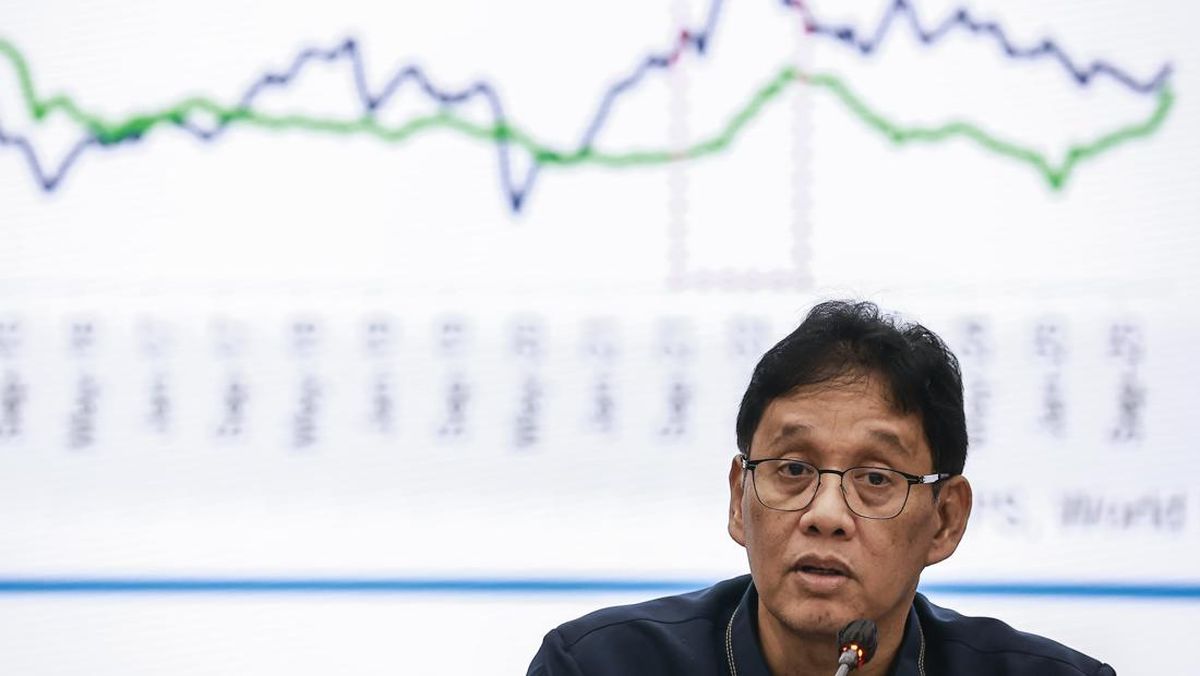
The Indonesian government has officially confirmed the continuation of its fiscal incentive program for the purchase of electric motorcycles, signaling a sustained commitment to the nation’s energy transition goals despite adjustments to the subsidy’s structure and value. Finance Minister Purbaya Yudhi Sadewa announced that the government will once again provide financial support to stimulate the electric vehicle (EV) market, though the upcoming phase of the program will feature a more targeted approach compared to previous iterations. Speaking after a press conference regarding the "APBN Kita" (Our State Budget) report at the Ministry of Finance headquarters in Central Jakarta, the Minister emphasized that while the incentives remain a priority, the distribution mechanism will undergo a significant shift, focusing on specific companies rather than a broad, universal application.
Under the new proposal, the government plans to offer a subsidy of Rp5 million per unit for electric motorcycles. This figure represents a reduction from the previous incentive value of Rp7 million per unit that was implemented throughout 2023 and early 2024. The decision to recalibrate the subsidy amount and the eligibility criteria reflects the government’s ongoing evaluation of fiscal efficiency and the actual adoption rates of two-wheeled electric vehicles across the archipelago. Minister Purbaya noted that the initial quota for this renewed incentive phase is set at 100,000 units, with the possibility of further expansion should the market demand exceed expectations and the budget allow for additional allocations.
Strategic Shift in Incentive Distribution and Corporate Targeting
A primary differentiator in the upcoming policy is the transition toward a "targeted company" model. Minister Purbaya clarified that the government is currently awaiting comprehensive input from the Ministry of Industry and Danantara Indonesia—a newly established state investment management agency—to finalize which entities will be eligible to participate in the scheme. The involvement of Danantara, specifically through the expertise of its Chief Technology Officer, Sigit Puji Santosa, indicates a more strategic, investment-led approach to the EV ecosystem.
The Minister of Industry, Agus Gumiwang Kartasasmita, along with the leadership at Danantara, has been tasked with identifying the specific manufacturers and distributors that align with the government’s industrial roadmap. This selection process is expected to prioritize companies that have demonstrated a high level of Domestic Component Level (TKDN) compliance. By narrowing the scope of the subsidy to "certain companies," the government aims to ensure that the fiscal burden on the state budget translates directly into domestic industrial growth and the strengthening of the local supply chain.
This targeted approach is also seen as a response to the logistical and administrative hurdles faced during the 2023 subsidy rollout. Previously, the broad nature of the subsidy led to complexities in verifying individual buyer eligibility and managing the disbursement of funds to a wide array of dealers. By focusing on specific corporate partners, the Ministry of Finance hopes to streamline the process, ensuring that the Rp5 million discount is applied effectively at the point of sale and that the benefits reach the intended segments of the economy.
Chronology of Indonesia’s Electric Vehicle Incentive Policies
The journey toward mass EV adoption in Indonesia has been marked by several regulatory milestones and iterative policy adjustments. The foundation was laid with Presidential Regulation (Perpres) No. 55 of 2019, which outlined the acceleration of the battery electric vehicle program for road transportation. However, it was not until 2023 that the government introduced direct financial incentives for consumers.
In March 2023, the government launched a massive subsidy program offering Rp7 million for the purchase of new electric motorcycles and the conversion of internal combustion engine (ICE) bikes to electric. The goal was to reach a target of 200,000 new electric motorcycles by the end of the year. Despite the high value of the incentive, the initial uptake was slower than anticipated. Data from the Ministry of Industry showed that by mid-2023, only a small fraction of the quota had been utilized, leading the government to relax the eligibility criteria in August 2023. Originally restricted to specific low-income groups, the subsidy was opened to all Indonesian citizens with a valid National Identity Card (NIK), subject to a limit of one purchase per person.
Following this relaxation, adoption rates began to climb, yet they remained below the ambitious targets set by the administration. The transition to the 2024-2025 fiscal period has now brought about the current adjustment. The reduction to Rp5 million and the shift toward "certain companies" marks the third major evolution of the policy, as the government seeks a "sweet spot" between encouraging consumer behavior and maintaining fiscal discipline within the APBN.
Supporting Data and Fiscal Considerations
The decision to set the initial quota at 100,000 units for the Rp5 million subsidy implies a total fiscal commitment of approximately Rp500 billion for the first phase. This is a strategic allocation designed to maintain momentum in the green energy sector while the government manages other pressing economic priorities, such as food security and infrastructure development.
Current market data suggests that the price gap between traditional petrol-powered motorcycles and their electric counterparts remains the most significant barrier to entry for the average Indonesian consumer. Most popular ICE motorcycles in Indonesia are priced between Rp18 million and Rp25 million. While electric motorcycles are becoming more competitive, those with reliable range and battery technology often exceed Rp30 million before incentives. A Rp5 million reduction brings several high-quality electric models into the sub-Rp25 million bracket, which is historically the high-volume segment of the Indonesian motorcycle market.
Furthermore, the government’s focus on the TKDN (Domestic Component Level) is backed by data showing that Indonesia possesses the world’s largest nickel reserves, a critical component for EV batteries. By incentivizing motorcycles that utilize locally manufactured parts, the government is indirectly supporting the "hilirisasi" (downstreaming) policy, which seeks to transform Indonesia from a raw material exporter into a high-value manufacturing hub.
Official Responses and Industrial Implications
The announcement has garnered various reactions from stakeholders in the automotive and energy sectors. While the reduction from Rp7 million to Rp5 million might be seen by some as a step back, industry analysts suggest that the clarity of the "targeted company" approach provides more certainty for manufacturers.
Minister of Industry Agus Gumiwang Kartasasmita has previously emphasized that the sustainability of the EV industry depends on more than just subsidies; it requires a robust ecosystem, including a widespread network of Charging Stations (SPKLU) and Battery Swapping Stations (SPBKLU). The Ministry of Industry’s role in selecting the "certain companies" for the new incentive will likely be tied to these manufacturers’ commitments to building out infrastructure and maintaining service centers across the country.
From the perspective of Danantara, the involvement of Sigit Puji Santosa suggests that the government is looking at the EV sector through a technological and investment lens. Danantara’s mandate is to optimize state assets and drive strategic investments. By determining "where the subsidy goes," Danantara is expected to align fiscal incentives with long-term industrial viability, ensuring that the companies receiving support are those capable of scaling production and competing on a regional level.
Broader Economic Impact and Environmental Goals
The overarching objective of the electric motorcycle incentive remains the reduction of Indonesia’s carbon footprint and its dependence on imported fossil fuels. Indonesia has committed to achieving Net Zero Emissions by 2060 or sooner, and the transportation sector is a primary contributor to national greenhouse gas emissions.
Beyond environmental benefits, there is a significant fiscal motivation. The Indonesian government spends hundreds of trillions of rupiah annually on fuel subsidies (BBM). Every internal combustion engine motorcycle replaced by an electric version reduces the long-term drain on the state budget caused by fuel subsidies. Although the EV incentive requires an upfront expenditure from the APBN, the government views it as an investment that will pay dividends through reduced energy imports and lower healthcare costs associated with air pollution in major urban centers like Jakarta.
The shift to electric mobility also plays a crucial role in the development of the "Indonesia Gold 2045" vision. By establishing a dominant position in the regional EV market, Indonesia aims to become an automotive export powerhouse for Southeast Asia. The success of the two-wheeled segment is seen as a litmus test for the broader adoption of electric cars and buses.
Challenges and the Path Forward
Despite the renewed incentives, several challenges persist. Consumer anxiety regarding battery life, resale value, and the availability of charging infrastructure remains a hurdle. The government’s decision to involve Danantara and the Ministry of Industry in a more hands-on capacity suggests a move toward addressing these systemic issues rather than relying solely on price discounts.
As the government prepares to finalize the list of eligible companies and the technical guidelines for the Rp5 million subsidy, the automotive industry remains in a state of watchful anticipation. The success of this 100,000-unit pilot phase will likely determine the future of EV fiscal policy in Indonesia. If the targeted approach succeeds in boosting sales while fostering a more organized domestic industry, it could serve as a blueprint for future green technology incentives across various sectors of the Indonesian economy.
In conclusion, the government’s move to refine the electric motorcycle incentive reflects a maturing approach to industrial policy. By moving away from broad-stroke subsidies and toward a more calculated, corporate-focused strategy, the administration of President Joko Widodo—and its subsequent successors—aims to build a sustainable, self-reliant electric vehicle ecosystem that serves both the economy and the environment. The coming months will be critical as the Ministry of Industry and Danantara define the parameters of this new phase, potentially reshaping the landscape of Indonesian transportation for decades to come.
