
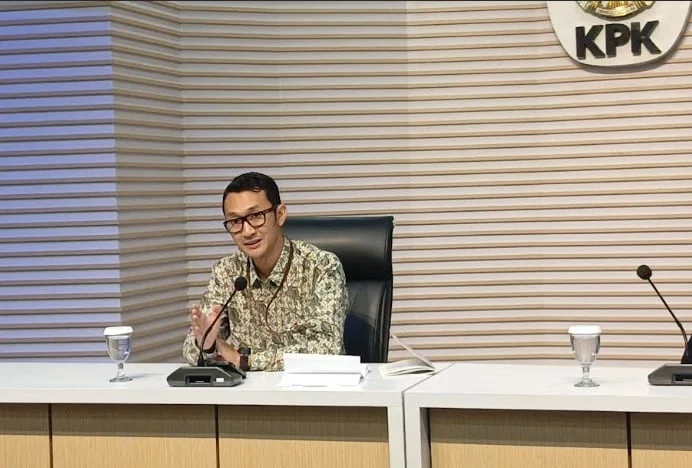
The Corruption Eradication Commission has intensified its ongoing investigation into alleged corrupt practices within the Bogor Regency administration, summoning key local government figures. In a significant development on Thursday, October 29, 2026, anti-graft investigators interrogated Bogor Regent Rudy Susmanto alongside several other witnesses. The probe centers on suspected illicit practices involving the deduction of regional tax collection fees, regional retribution funds, and questionable public procurement processes within the regional government machinery.
While high-profile corruption inquiries by Indonesia’s premier anti-corruption agency typically unfold under the media spotlight at the Red and White Building in Jakarta, this specific investigative phase deviated from standard protocol. Investigators elected to conduct the questioning sessions directly within Bogor Regency itself. This strategic relocation of the inquiry underscores the widening scope of the case, which has already drawn in various municipal stakeholders, high-ranking bureaucrats, and political figures from the region.
As the legal net tightens around local governance structures in West Java’s most populous regency, the public demand for transparency, accountability, and systemic administrative reform continues to mount. The investigation serves as yet another stark reminder of the persistent vulnerabilities plaguing local bureaucratic revenue management and procurement channels across decentralized administrative regions in Indonesia.
Chronology of the Investigation and Local Government Scrutiny
The trajectory of the current investigation did not materialize overnight. It represents the culmination of intelligence gathering, financial audits, and preliminary fact-finding missions conducted by the Corruption Eradication Commission over preceding months. The inquiry into the Bogor Regency administration gained tangible momentum earlier in the week, preceding the direct interrogation of the regent.
Earlier in the investigative timeline, anti-graft officials issued formal summonses to several prominent figures within the local political and bureaucratic landscape. Notably, names such as local political figure Jaro Ade and the regional secretary (Sekda) were thrust into the spotlight as investigators began piecing together the complex web of financial transactions linked to regional retributions and tax collection incentives. These preliminary examinations laid the groundwork for the subsequent, high-stakes interrogation of Regent Rudy Susmanto.
By shifting the interrogation venue directly to Bogor on October 29, 2026, the commission aimed to streamline the investigative process. Given the sheer volume of individuals implicated or possessing pertinent knowledge regarding the alleged fund diversion, transporting every witness to the capital would have introduced logistical bottlenecks. Conducting operations locally allowed investigators to cross-reference testimonies rapidly, secure physical and digital evidence, and maintain the momentum required in complex white-collar crime investigations.
Understanding the Charges: Upah Pungut, Retributions, and Procurement
The core allegations underpinning the current legal scrutiny revolve around financial malfeasance in three primary areas: the deduction of collection fees for regional taxes (upah pungut), regional retributions, and public procurement projects. To fully comprehend the gravity of the case, it is essential to examine how these mechanisms function within Indonesia’s regional autonomy framework.
Regional tax collection fees, or upah pungut, are legally sanctioned financial incentives distributed to officials and personnel tasked with boosting local revenue generation (Pendapatan Asli Daerah – PAD). These incentives are designed to motivate tax collectors and administrative staff to optimize collection rates for local taxes such as restaurant, hotel, and entertainment levies. However, regulations strictly govern the distribution thresholds and recipient eligibility to prevent abuse. In cases investigated by anti-graft bodies, corrupt actors often manipulate these formulas, creating fictitious recipients, skimming a percentage of the disbursed funds before they reach rightful beneficiaries, or establishing unauthorized collection deductions.
Parallel to tax collection incentives, regional retributions (retribusi daerah) represent fees charged by local governments for specific services or the utilization of regional assets. These encompass market stall rentals, licensing fees, public parking management, and waste collection charges. Investigators suspect that a systematic skimming operation diverted funds meant for municipal coffers into private pockets.
Compounding these issues are irregularities found within public procurement processes at the Bogor Regency level. Procurement corruption typically involves bid-rigging, kickbacks, inflated project budgets, and substandard execution of municipal infrastructure or administrative projects. The intersection of manipulated revenue collection and compromised procurement points toward a coordinated effort to siphon public resources at multiple administrative tiers.
Official Statements and Investigative Strategy
Addressing media inquiries regarding the high-profile interrogation, the Corruption Eradication Commission’s Spokesperson, Budi Prasetyo, confirmed the developments surrounding the Bogor Regency probe. Speaking on Thursday, October 29, 2026, Prasetyo verified that the inquiry had directly engaged Regent Rudy Susmanto.
"Hari ini benar ada pemeriksaan terhadap yang bersangkutan," stated Prasetyo, validating that the regional leader was indeed under formal questioning by anti-graft investigators.
Addressing the unusual choice of venue, Prasetyo clarified that the decision to conduct the proceedings outside the commission’s Jakarta headquarters was a calculated logistical choice aimed at optimizing investigative efficiency. With a sprawling roster of witnesses slated to give depositions, holding sessions on local ground minimized travel complications and facilitated seamless coordination with regional field teams.
"Jadi memang pemeriksaan dilakukan di Bogor karena ada sejumlah saksi lain yang juga dilakukan pemeriksaan hari ini," Prasetyo explained, emphasizing that the presence of multiple witnesses necessitated a localized approach to ensure a thorough and uninterrupted evidentiary gathering process.
Broader Implications for Bogor Regency and Regional Governance
The unfolding legal crisis in Bogor Regency carries profound implications for local governance, public trust, and administrative stability. As one of the most economically strategic regions surrounding the national capital, Bogor manages substantial regional budgets and oversees extensive development projects. Scandals of this magnitude inevitably disrupt bureaucratic efficiency and cast a shadow over public service delivery.
When top executives and administrative heads are implicated in corruption investigations, the immediate fallout often includes bureaucratic paralysis. Civil servants may become hesitant to sign off on routine budget allocations, public procurement projects, or development initiatives out of fear of administrative entanglement or association with tainted superiors. This chilling effect can severely hamper regional economic growth and delay essential infrastructure projects intended to benefit the local populace.
Furthermore, the case highlights the persistent systemic vulnerabilities inherent in Indonesia’s decentralized fiscal management. While regional autonomy empowers local governments to optimize revenue generation and tailor development to local needs, it simultaneously demands robust internal oversight mechanisms. Without stringent auditing, transparent digital tracking of tax collection incentives, and independent supervisory boards, decentralized entities remain highly susceptible to elite capture and localized rent-seeking behavior.
The investigation into the Bogor Regency administration also serves as a critical test case for the anti-graft commission’s renewed focus on regional financial integrity. By targeting both revenue manipulation (upah pungut and retributions) and expenditure corruption (procurement), the inquiry adopts a holistic approach to dismantling illicit financial circuits within local governments.
Path Forward and Expected Legal Milestones
As the investigation progresses beyond the initial phase of witness testimonies and executive interrogations, legal observers anticipate several consequential developments in the near future. Following the collation of evidence gathered in Bogor and Jakarta, anti-graft investigators will evaluate the threshold for elevating the status of specific individuals from witnesses to formal suspects.
Should sufficient corroborating evidence emerge establishing unlawful enrichment, abuse of authority, and financial losses to the state, the commission is expected to formally announce suspect designations, accompanied by potential asset-freezing measures and restrictive travel orders. Additionally, forensic accountants will likely continue deep-dive audits into regional treasury records to trace the flow of diverted funds, identifying ultimate beneficiaries and collaborators both within and outside the formal government structure.
For the residents of Bogor Regency, the ultimate resolution of this case will be a critical determinant of institutional reform. Rebuilding public confidence will require not only individual accountability through the judicial system but also structural overhauls in how regional revenues, collection incentives, and public tenders are monitored, executed, and audited. The unfolding events in Bogor stand as a potent reminder that transparency and rule of law remain indispensable pillars for sustainable regional development in Indonesia.
