The serene waters surrounding Indonesia’s vast archipelago, often a lifeline for remote communities, turned into a scene of unimaginable tragedy on July 15, when the KM Nurul Salsa, a vessel ferrying passengers towards Benteng Port in the Selayar Islands Regency, South Sulawesi, succumbed to the treacherous waves. Among the survivors of this devastating maritime incident is Diska, a resilient seven-year-old girl, whose miraculous rescue came at the profound cost of losing both her parents, Hasbi (41) and Malida (31), from Ma’minasata Village, Pasimasunggu District, Selayar. Their disappearance in the turbulent sea has left an indelible scar on their community and highlighted the persistent challenges in maritime safety across the island nation. The incident, which saw five individuals plucked from the vast ocean after days adrift, has reignited critical discussions about the perils of sea travel and the imperative for robust safety protocols in a region heavily reliant on marine transport.
The Harrowing Ordeal: A Child’s Loss and Survival
The story of Diska and her family is a poignant testament to the human spirit’s endurance against overwhelming odds, even as it underscores the brutal reality of maritime disasters. Diska, along with her aunt, Bau Asseng (23), and three other survivors, endured days adrift in the open sea, battling dehydration, exhaustion, and the emotional trauma of witnessing the loss of loved ones. Bau Asseng recounted the horrifying moments after the KM Nurul Salsa capsized. Initially, Diska, her parents, and six other passengers managed to cling to a makeshift raft constructed from styrofoam buoys, desperately hoping for rescue. The sea, however, was unforgiving. "Diska was with her father and mother before," Bau Asseng tearfully recalled on July 22, a week after the incident, her voice heavy with grief and relief. "But that’s how fate is."
The struggle for survival against the formidable waves was relentless. The makeshift raft, a fragile beacon of hope, was repeatedly battered by high swells, making it increasingly difficult for the survivors to maintain their grip and stay together. The harsh conditions eventually led to the separation of Diska’s parents from the group. Her mother, Malida, displayed incredible fortitude, surviving for three agonizing nights on the styrofoam buoy. However, the relentless exposure, severe dehydration, and extreme exhaustion ultimately claimed her life. In a heart-wrenching decision born of sheer desperation and the imperative to survive, her body had to be left at sea, a tragic sacrifice made by those who were still clinging to life. Diska’s father, Hasbi, before being separated by the unforgiving currents, managed to convey a final, poignant plea to Bau Asseng: "Please take care of Diska." This plea became a sacred trust, a beacon of purpose for Bau Asseng amidst the despair. The weight of this promise undoubtedly fueled her determination to keep Diska safe through the remaining days adrift.
Chronology of a Catastrophe at Sea
The ill-fated voyage of KM Nurul Salsa began on July 15, under circumstances that are now subject to intense scrutiny. While details regarding the vessel’s specific departure point prior to the sinking are limited, it was en route to Benteng Port in the Selayar Islands. The Selayar Islands Regency, located off the southern tip of Sulawesi, comprises numerous islands, making sea transportation an essential, albeit sometimes hazardous, mode of travel for its inhabitants, connecting remote villages to administrative centers and markets.
July 15: The Sinking
The KM Nurul Salsa encountered severe weather conditions shortly after its departure. Reports indicate the vessel was battered by high waves, a common hazard in Indonesian waters, particularly during certain seasons. The precise moment and cause of the capsizing are under investigation, but initial assessments point to the combination of adverse weather and potentially inadequate vessel stability or overloading. The incident occurred with startling speed, leaving passengers little time to react. Many were thrust into the unforgiving sea, desperately scrambling for anything that could keep them afloat.
July 15 – July 19: Days Adrift
Following the sinking, the survivors, including Diska, Bau Asseng, Sri Ardita (17), Andi Samad (62), and Sitti Amang (55), found themselves adrift on the vast expanse of the Flores Sea. Their ordeal lasted for four harrowing days and nights. Without adequate life rafts or emergency supplies, they relied on sheer will and makeshift flotation devices like styrofoam. The account from Bau Asseng paints a grim picture of their struggle: the constant threat of being swept away by waves, the gnawing hunger and thirst, and the agonizing psychological toll of watching fellow passengers succumb to the elements. The decision to leave Malida’s body at sea underscores the desperate measures taken by the survivors to preserve their own lives, a testament to the brutal choices forced upon them by the ocean. The hope of rescue dwindled with each passing hour, replaced by the grim reality of their isolation.
July 19: Miraculous Rescue
Against all odds, on Saturday, July 19, a glimmer of hope appeared on the horizon. A fishing vessel, traversing the Flores Sea, spotted the group of five survivors. The fishing boat, whose crew displayed commendable swiftness and humanity, immediately diverted to their location and successfully pulled the emaciated and traumatized individuals from the water. The rescue was a testament to both the vigilance of the fishing community and the incredible resilience of the survivors who managed to stay alive for so long in such dire circumstances. The fact that they were found in the Flores Sea suggests a significant drift from the initial sinking site, highlighting the powerful currents and the vastness of the search area. Upon rescue, they were immediately given first aid and transported to the nearest port for medical attention, where their physical and psychological conditions were assessed.
Search and Rescue: Battling the Elements
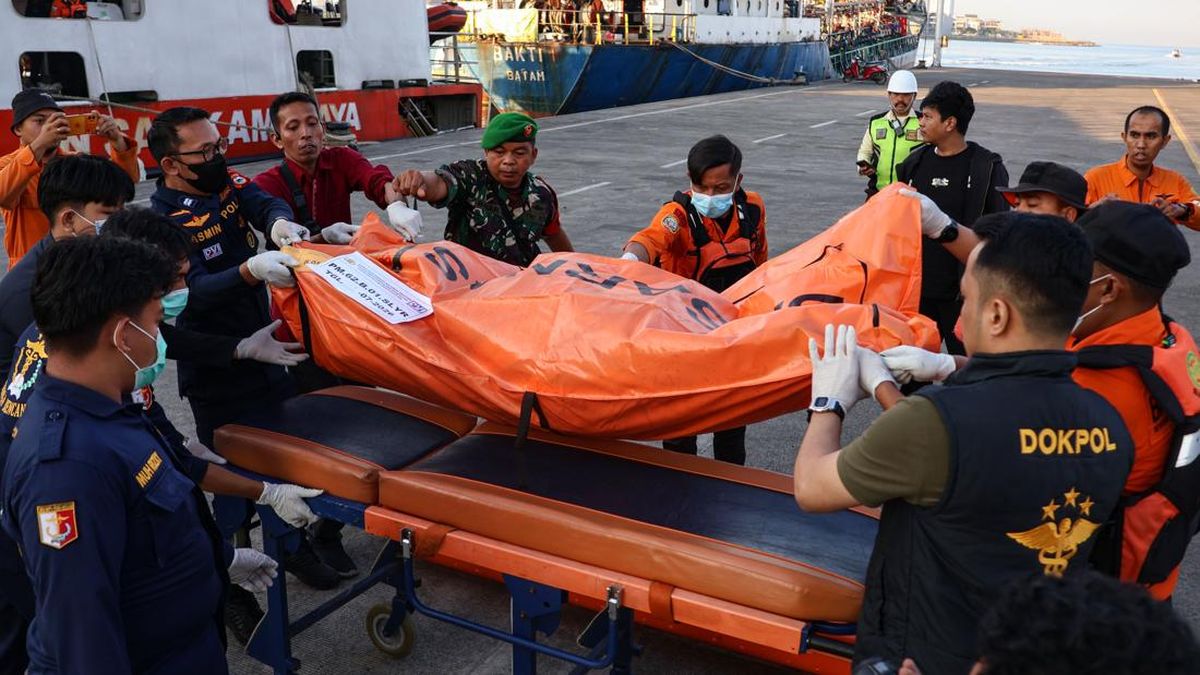
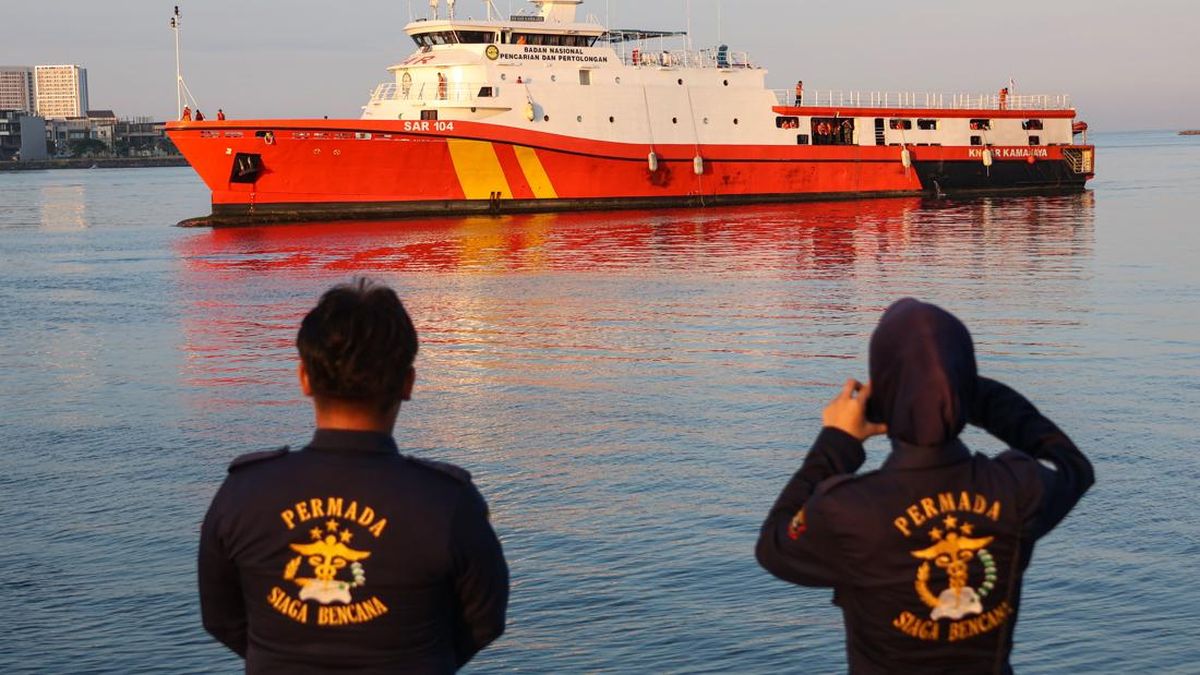
The search and rescue (SAR) operation for the KM Nurul Salsa victims commenced almost immediately upon the receipt of distress calls, though the exact timing of the initial alert is often delayed in remote maritime incidents. The National Search and Rescue Agency (Basarnas) played a central role, coordinating efforts with local police, the Indonesian Navy (TNI AL), and local maritime authorities. Given the location of the incident near the Selayar Islands, a region characterized by its extensive marine territory and often unpredictable weather, SAR operations were fraught with challenges.
The vastness of the search area, compounded by the high waves and strong currents reported around the time of the sinking, made locating survivors and debris extremely difficult. Search patterns had to account for potential drift, expanding the radius of the operation daily. Aerial surveillance, maritime patrols, and the invaluable assistance of local fishermen were all deployed in the arduous task of scouring the sea. Fishing communities, deeply familiar with the local waters and often the first responders in such remote areas, played a crucial role, as evidenced by the eventual rescue of the five survivors by a passing fishing vessel.
Despite the concerted efforts, the search for other missing passengers, including Diska’s parents, continued for days after the rescue of the five. Basarnas deployed specialized equipment and personnel, but the chances of finding additional survivors diminish rapidly with each passing day, particularly in open water conditions. The emotional toll on SAR teams, who often face immense pressure and witness profound tragedy, is also considerable. Their dedication, however, remains unwavering, driven by the hope of reuniting victims with their families.
Maritime Safety in the Archipelago: A Recurring Challenge
The sinking of the KM Nurul Salsa is a stark reminder of the persistent maritime safety issues plaguing Indonesia, an archipelagic nation comprising over 17,000 islands. Sea transport is not merely a convenience but a fundamental necessity for connecting communities, facilitating trade, and supporting livelihoods across the country. However, this reliance often comes at a high cost, with maritime accidents being a tragically frequent occurrence.
Historically, Indonesia has grappled with a series of significant maritime disasters. Incidents like the sinking of the MV Senopati Nusantara in 2006, the KM Levina I in 2007, and more recently, the MV Sinar Bangun on Lake Toba in 2018, which claimed over 160 lives, underscore systemic vulnerabilities. Common contributing factors often include:
- Overloading: Vessels frequently carry passengers and cargo far exceeding their official capacity, driven by economic pressures and lax enforcement.
- Poor Maintenance: Many older vessels lack proper maintenance, leading to structural failures or engine problems at sea.
- Adverse Weather: Despite warnings, vessels sometimes depart in dangerous weather conditions, either due to pressure to maintain schedules or a lack of real-time, localized weather intelligence.
- Inadequate Safety Equipment: Insufficient life jackets, dysfunctional life rafts, and a lack of proper emergency communication devices are common deficiencies.
- Lack of Enforcement: While regulations exist, their enforcement can be inconsistent, particularly in remote areas where oversight is challenging.
The KM Nurul Salsa incident fits a familiar pattern. While official investigations are ongoing, the immediate reports of high waves suggest that weather conditions played a significant role. The survival story of Diska and her aunt also highlights the critical importance of flotation devices, however rudimentary, and the devastating consequences when proper safety equipment is absent or insufficient. The vulnerability of small, often informal, passenger vessels in connecting remote islands remains a critical concern for maritime authorities.
Government Response and Long-Term Support
The tragedy of the KM Nurul Salsa prompted an immediate response from local government officials, particularly concerning the welfare of the survivors and the families of the victims. Natsir Ali, the Regent of Kepulauan Selayar, expressed profound sorrow over the incident and pledged comprehensive support, particularly for young Diska. "As for that child, we know she has lost her parents, and God willing, she will become the responsibility of the regional government," Regent Natsir Ali stated. This commitment includes guaranteeing her educational expenses up to university level, a crucial intervention to secure her future after such a devastating loss. This commitment reflects a broader societal understanding of the need to protect vulnerable children orphaned by such disasters.
Beyond immediate aid, the Selayar Islands Regency government affirmed its dedication to the ongoing search operations, vowing to deploy all available resources and strengthen coordination with national agencies to locate any remaining missing victims. "We ask for the prayers of all society so that the search process will be eased, and the victims who have not yet been found can be rescued immediately," the Regent added, emphasizing the community’s collective hope and resilience.
While specific statements from national maritime authorities regarding the KM Nurul Salsa incident were not immediately available in the immediate aftermath, such tragedies typically trigger broader calls for stricter adherence to maritime safety regulations. The Ministry of Transportation and the National Transportation Safety Committee (KNKT) are usually involved in investigating the root causes of such accidents, aiming to identify systemic failures and implement corrective measures. These investigations often lead to recommendations for improved vessel inspections, better weather forecasting dissemination, enhanced crew training, and more rigorous enforcement of passenger manifests and safety equipment requirements. The long-term support for victims’ families often extends to psychological counseling and financial aid, recognizing the profound and lasting impact of such events.
The Broader Implications: Lessons for Indonesia’s Maritime Future
The sinking of the KM Nurul Salsa, while a localized tragedy, carries broader implications for Indonesia’s maritime sector. It serves as a stark reminder of the delicate balance between the essential role of sea transportation in connecting the vast archipelago and the paramount need for robust safety standards.
Maritime Safety Reforms: The incident will undoubtedly add pressure on authorities to re-evaluate and reinforce maritime safety protocols. This includes more frequent and stringent inspections of passenger vessels, especially smaller ones that operate in remote areas. There is an ongoing need for better passenger data collection, ensuring that accurate manifests are maintained, and that vessels are not overloaded. Investment in modern navigation and communication equipment, as well as mandatory life-saving gear for all passengers, are crucial. Public awareness campaigns on passenger rights and safety responsibilities could also empower travelers to demand safer journeys.
Socio-economic Impact: The loss of life, particularly breadwinners like Diska’s parents, has a profound socio-economic impact on the affected communities. Many coastal villages rely on sea transport for trade, accessing healthcare, and education. Disruptions or increased fear surrounding sea travel can isolate these communities further. The long-term psychological impact on survivors like Diska, who witnessed such horrors at a tender age, necessitates sustained mental health support and community integration programs.
Role of Technology and Infrastructure: Improving maritime safety in Indonesia also requires investment in better infrastructure, including reliable port facilities, advanced weather monitoring systems, and effective distress signal networks. The integration of modern technology could enhance real-time tracking of vessels and quicker response times during emergencies.
The story of Diska, a young survivor who lost everything but her life, encapsulates the human cost of maritime accidents. Her future, now under the guardianship of the Selayar government, becomes a symbol of hope and the community’s resolve to overcome adversity. However, the tragedy also serves as a powerful impetus for national authorities to redouble their efforts in ensuring that the waterways, which are the lifeblood of Indonesia, are made safe for all who traverse them. The memory of those lost and the resilience of those who survived must drive a concerted, sustained effort to prevent such devastating incidents from recurring in the future, safeguarding the lives and livelihoods of millions across the Indonesian archipelago.