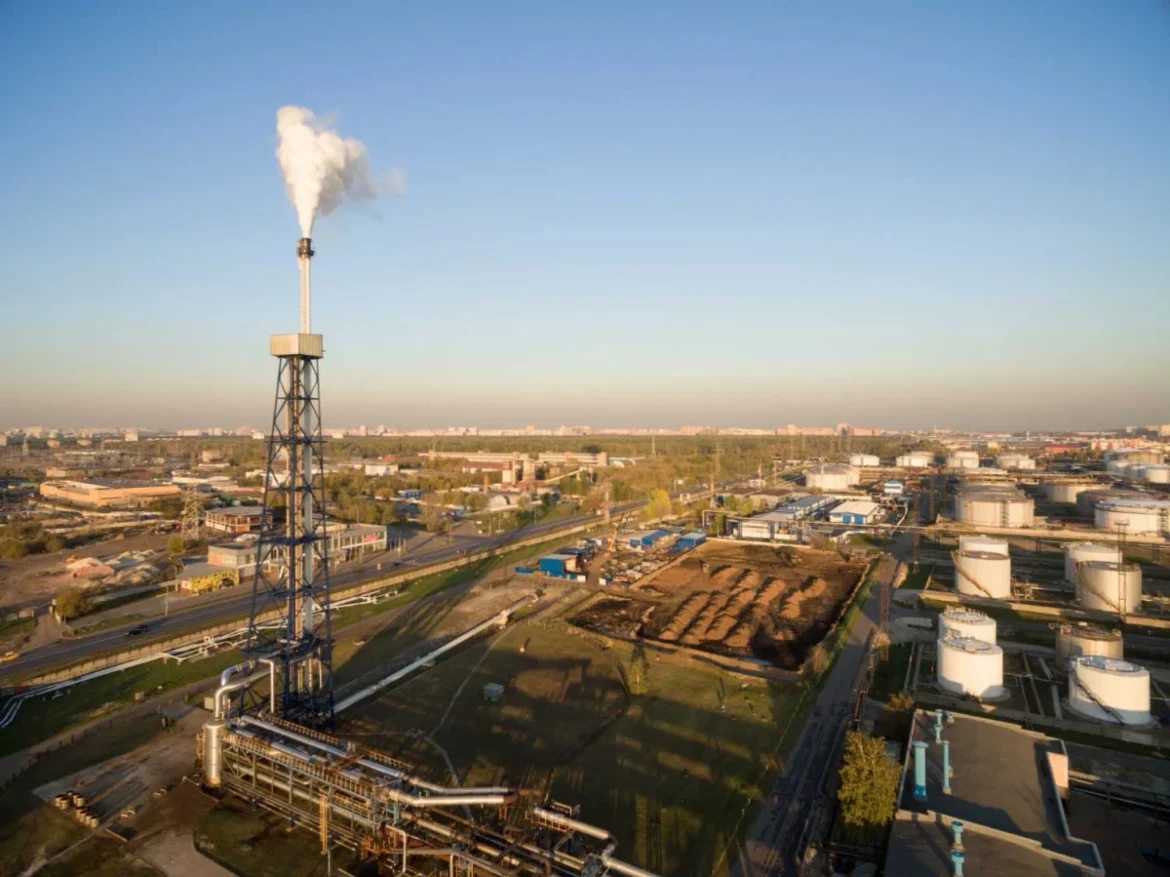
Jakarta — The Indonesian Ministry of Industry has intensified its call for industrial estate operators operating without an official Industrial Estate Business License (Izin Usaha Kawasan Industri – IUKI) to immediately complete their regulatory compliance. Securing this foundational permit is viewed as an essential step to ensure that all manufacturing activities within these zones adhere to standards of transparent governance, professional management, and high market competitiveness.
The push for widespread regulatory compliance highlights a critical balancing act within Southeast Asia’s largest economy: integrating naturally grown industrial zones into the formal legal framework without disrupting ongoing business operations. As foreign and domestic investments continue to flow into the country’s manufacturing sector, the government is moving to eliminate regulatory grey areas that could potentially hinder long-term economic sustainability.
Background and Context of the Regulatory Push
The urgency surrounding the acquisition of the IUKI stems from years of rapid industrial expansion across various regions in Indonesia. Historically, many manufacturing hubs developed organically within designated Industrial Allocation Zones (Kawasan Peruntukan Industri – KPI). While these naturally grown clusters have significantly contributed to regional economies, employment, and export revenues, their legal status and operational governance have often lagged behind formal, master-planned industrial estates.
A KPI refers to a specific tract of land allocated exclusively for industrial activities based on regional spatial planning. However, as global supply chains become more sophisticated and investors demand rigorous compliance with Environmental, Social, and Governance (ESG) standards, the lack of formalized permits poses systemic challenges. Without an IUKI, operators often face difficulties in securing institutional financing, integrating with advanced logistics networks, and meeting international environmental auditing standards.
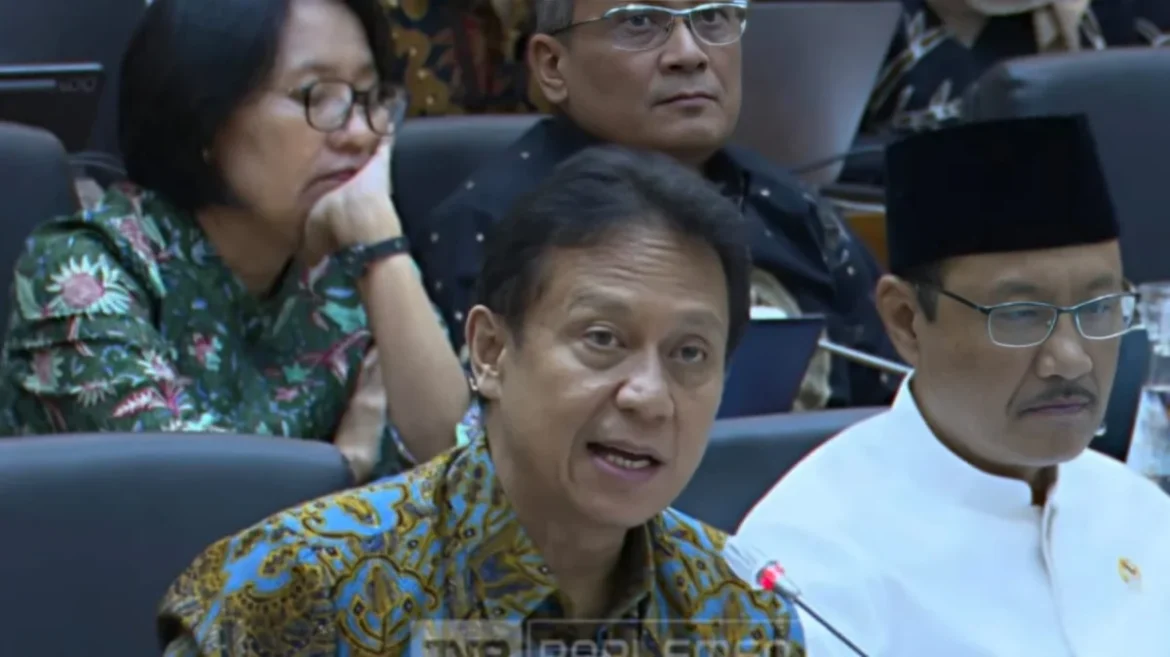
Deputy Minister of Industry Faisol Riza emphasized the economic significance of formalizing these zones during a public statement in Jakarta. He noted that industrial activities thriving within KPI regions represent substantial economic potential that requires systematic organization and institutional strengthening.
"We view industrial activities that have grown within Industrial Allocation Zones as economic potentials that need to be organized and strengthened. The fulfillment of the IUKI is expected to provide a clearer governance foundation, while simultaneously supporting the sustainability of investments and business activities," stated Faisol.
The Ministry has assured stakeholders that this transition will not be executed overnight. Instead, the regularization process is designed to be gradual, measurable, and transparent, ensuring that the operational continuity of existing manufacturing firms remains protected.
A Phased and Transparent Approach to Regularization
To prevent supply chain shocks or business closures, the government has adopted a collaborative regulatory framework. Rather than imposing immediate punitive measures, authorities are prioritizing open communication channels to inventory the needs of both estate managers and corporate tenants.
This consultative approach allows relevant government agencies at both the central and regional levels to understand specific constraints faced by operators on the ground. According to the Ministry, the ultimate goal is to transform informal or semi-formal industrial clusters into fully compliant, internationally recognized manufacturing hubs equipped with standardized infrastructure.
Through clear and standardized governance, formalized industrial estates are expected to provide comprehensive support systems. These include reliable basic infrastructure, optimized logistics and transportation access, stable utility supplies, and integrated environmental waste management. By mitigating these operational risks, manufacturers can redirect their focus toward expanding production capacity, upgrading technology, and fostering sustainable growth.
The Ministry of Industry remains firm in its commitment to establishing legal certainty across all national manufacturing zones. This ongoing policy intervention aims to cultivate a conducive, secure, and integrated business climate capable of attracting high-value foreign direct investment (FDI) and domestic capital to various regions across the archipelago.
The Strategic Importance of Industrial Estates in the National Economy
Industrial estates serve as the backbone of Indonesia’s secondary sector, contributing significantly to Gross Domestic Product (GDP), non-oil and gas export values, and formal employment. As the government aggressively pursues downstreaming policies—particularly in critical minerals, agro-industry, and green technology—the demand for well-regulated, infrastructure-ready industrial land has surged.
Faisol reiterated that industrial zones function as primary drivers of national economic development. Consequently, enterprises require absolute regulatory certainty and a predictable operational environment to formulate long-term capital expenditure plans.
"We also invite estate managers and regional governments to jointly maintain the order and comfort of industrial zones," Faisol added, underlining the necessity of public-private synergy at the local government level.
Implementation and Field Coordination
On a tactical level, the Ministry of Industry is actively deploying specialized guidance programs for KPI zones. These initiatives are tailored to help operators bridge the gap between their current operational state and the rigorous criteria required to secure an IUKI.
The comprehensive regularization framework evaluates multiple operational parameters:
- Spatial Conformity: Ensuring that the estate aligns strictly with provincial and regional spatial layout plans (Rencana Tata Ruang Wilayah – RTRW).
- Permitting Compliance: Verifying environmental impact assessments (AMDAL), building approval documents (PBG), and operational licenses.
- Infrastructure Readiness: Inspecting the availability and capacity of heavy-duty access roads, wastewater treatment plants (WWTP), power grids, and clean water supplies.
- Tenant Management and Services: Evaluating the governance structure responsible for handling tenant grievances, security, and facility maintenance.
Weighing in on the operational roadmap, the Director General of Resilience, Territorial, and International Industrial Access (KPAII), Tri Supondy, highlighted that the IUKI serves as a vital instrument for quality control.
"The IUKI is an essential instrument in ensuring the quality of services within industrial estates. Therefore, the Ministry of Industry continues to coordinate intensively with regional governments to map existing conditions, identify requirement gaps, and formulate actionable, monitorable plans to create a competitive national investment climate," Tri explained.
Broader Implications and Economic Analysis
The rigorous enforcement and facilitation of industrial licensing carry profound implications for Indonesia’s macroeconomic landscape. Economists and industry analysts point out several anticipated outcomes of this policy:
- Enhanced Investor Confidence: International institutional investors and multinational corporations often mandate strict legal compliance before committing capital. Formalizing industrial estates reduces regulatory risk, making regional Indonesian manufacturing hubs more attractive to global supply chain relocations.
- Environmental Sustainability: Integrated estates equipped with centralized waste management facilities are better positioned to comply with stringent global environmental regulations, thereby preventing ecological degradation and safeguarding the reputation of Indonesian exports.
- Equitable Regional Development: By upgrading industrial zones outside of Java—particularly in Sumatra, Kalimantan, Sulawesi, and Eastern Indonesia—the policy supports the national agenda of decentralization and inclusive economic growth.
- Streamlined Bureaucracy: Improved coordination between central ministries and local government bodies (Pemda) reduces red tape, curbing overlapping jurisdictions and potential bottlenecks in business operations.
Conclusion and Future Outlook
The Ministry of Industry has pledged to oversee the ongoing industrial zone transformation through continuous mentorship and administrative assistance at the regional level. By fostering a collaborative ecosystem between central authorities, local governments, and private estate operators, the government aims to guarantee robust legal protection, secure investment returns, and uninterrupted manufacturing productivity.
Ultimately, this regulatory push is designed to ensure that industrial operators not only survive in a competitive global market but also generate tangible, long-term socio-economic benefits for local communities across Indonesia. Through structured governance and unwavering legal certainty, the country’s manufacturing sector is poised to enter a more resilient and professionalized era of development.