
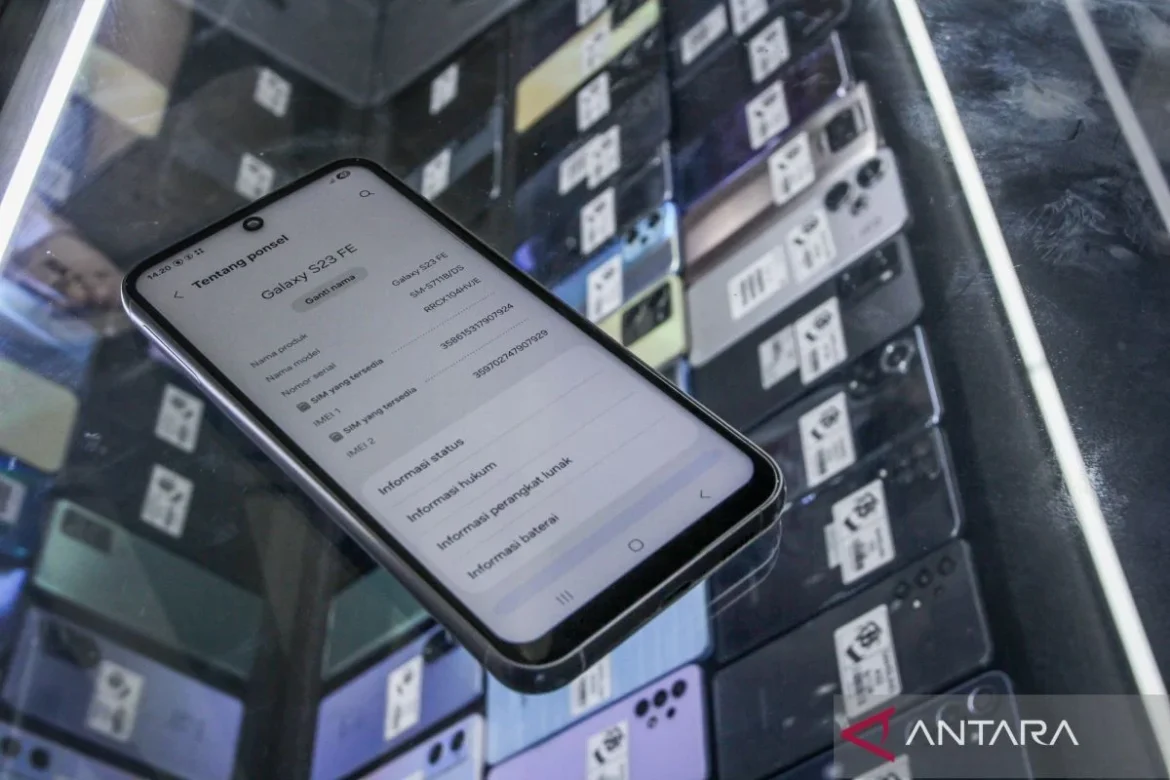
The secondary market for smartphones has experienced exponential growth over the past decade, driven by rapid technological cycles and the increasing affordability of high-end devices. As consumers frequently upgrade to the latest models, the trade-in and resale of older handsets have become a standard practice. However, this trend has created a significant cybersecurity blind spot: the inadvertent exposure of sensitive personal data. Research from cybersecurity firms consistently indicates that a startling percentage of second-hand devices sold online still contain recoverable personal information, ranging from identity-theft-ready documentation to private financial credentials. Failing to perform a comprehensive data sanitization process is no longer just a privacy oversight; it is a critical vulnerability that can facilitate financial fraud, identity theft, and unauthorized access to secure professional networks.
The Anatomy of Digital Vulnerability
Modern smartphones act as portable digital hubs, housing an unprecedented volume of personal data. This includes biometric information, real-time geolocation history, encrypted messaging databases, banking credentials, and sensitive workplace documents. While users often believe that manually deleting photos or uninstalling applications is sufficient, the underlying architecture of mobile operating systems—specifically flash storage and file allocation tables—means that "deleted" data often remains retrievable through forensic recovery software.
The background context of this issue is rooted in the "persistence of data" on NAND flash memory. Even when a user issues a delete command, the operating system simply marks the space as available for future use rather than physically overwriting the data blocks. Consequently, without a proper cryptographic wipe, or "factory reset," a sophisticated buyer with access to basic data recovery tools can extract deleted files with minimal technical expertise.
Establishing a Secure Data Sanitization Protocol
Before a device changes hands, a systematic, multi-stage sanitization protocol is mandatory. This process is not merely about clearing memory; it is about severing the digital tether between the owner and the device.
1. Comprehensive Backup and Verification
The first phase of the process involves the secure migration of data. While cloud-based solutions like Google Drive and iCloud have simplified this process, users often fail to verify the integrity of the backup. It is imperative to perform a manual check of application-specific data. For instance, instant messaging platforms like WhatsApp, Signal, and Telegram often require distinct, in-app backup procedures that do not automatically synchronize with system-level cloud backups. Failure to account for these specific application protocols results in permanent data loss.
2. The De-authentication Phase
The second, and perhaps most critical, step is the removal of digital accounts. Simply wiping a phone without first "signing out" of accounts—particularly on iOS devices—can lead to "Activation Lock" issues. This security feature is designed to prevent stolen devices from being reactivated, but it frequently inconveniences legitimate second-hand buyers. Users must explicitly remove their Apple ID or Google account from the device settings. This action triggers a signal to the manufacturer’s servers to revoke the device’s authorization to access the owner’s private cloud environment.
3. Handling Removable Media and External Modules
In devices equipped with microSD card slots, the removal of physical storage is often overlooked. Users frequently perform a factory reset on the internal storage while leaving the external memory card intact, inadvertently handing over years of high-resolution photographs and documents to a stranger. Furthermore, the rise of eSIM technology necessitates a digital cleanup. Users must navigate to cellular settings to delete the eSIM profile, ensuring that the device can no longer be associated with their specific carrier identity or international mobile subscriber identity (IMSI).
Forensic Implications of Factory Resets
From a technical standpoint, the "Factory Data Reset" (FDR) function on modern Android and iOS devices functions differently than it did a decade ago. Since the widespread implementation of File-Based Encryption (FBE) and full-disk encryption, a factory reset is significantly more effective. When a user triggers an FDR, the device destroys the master encryption keys stored in the hardware-backed keystore. By rendering the decryption keys inaccessible, the data remaining on the flash memory becomes effectively scrambled, or "crypto-shredded."
According to security standards set by organizations like the National Cyber Security Centre (NCSC) in the United Kingdom, this method is currently considered the gold standard for consumer-grade data sanitization. However, this efficacy is entirely dependent on the integrity of the device’s encryption protocols. Therefore, users must ensure their device’s operating system is updated to the latest security patch before initiating the reset to ensure that no known software exploits can bypass the encryption mechanisms.
Broader Implications for the Secondary Market
The environmental and economic benefits of a circular smartphone economy are clear, but they must be balanced against the increasing frequency of data breaches stemming from resold hardware. Industry analysts suggest that as AI-driven identity theft tools become more accessible, the value of raw personal data—such as scanned IDs, tax documents, and private conversation logs—will increase.
Official responses from regulatory bodies and consumer protection agencies emphasize "privacy by design." Manufacturers are increasingly pressured to make the data-wiping process more transparent and accessible. For instance, recent updates to Android’s "System" menus and Apple’s "Transfer or Reset" workflows reflect an industry effort to simplify these complex security operations for the average consumer. Despite these UI improvements, the onus remains on the user to execute these steps with diligence.
Checklist for Secure Device Transition
To ensure a clean transition, sellers should follow this chronological checklist:
- Audit Connectivity: Unpair all wearables, including smartwatches, Bluetooth headphones, and fitness trackers.
- Verification of Unpairing: Check the "Devices" or "Security" tab in your primary email account (Gmail/Outlook) to ensure the old device is removed from the "trusted devices" list.
- Physical Inspection: Beyond data, the physical state of the phone should be documented. Remove the SIM card, microSD card, and any protective cases or aesthetic skins.
- Clean and Inspect: Wipe the device with a microfiber cloth and verify that all hardware components—ports, speakers, and cameras—are functional. Honest disclosure of hardware history (such as previous battery replacements or screen repairs) is an industry best practice that prevents post-sale disputes.
The Risks of Negligence
The risks associated with failing to sanitize a device are not theoretical. In recent years, data security researchers have purchased batches of used phones from online marketplaces and were able to recover contact lists, private emails, and even session tokens for banking applications. These tokens can be used to bypass two-factor authentication (2FA) if the new owner possesses enough information to perform a SIM swap or account recovery.
Furthermore, the "Activation Lock" syndrome—where a phone remains linked to a previous owner’s iCloud account—is a leading cause of e-waste. When a buyer cannot activate a phone due to a lingering lock, the device often becomes a "paperweight," destined for a recycling center rather than a second life. By meticulously following the logout and reset procedures, sellers not only protect their own digital identity but also contribute to the longevity and utility of the device in the secondary market.
Conclusion: A Responsibility to Digital Hygiene
The process of selling a used smartphone should be viewed as a formal digital decommissioning. It requires a shift in mindset: moving from treating the phone as a mere piece of hardware to viewing it as a gateway to one’s digital existence. By adopting a standard protocol—backing up, signing out, unpairing, and performing a cryptographically verified factory reset—users can participate in the secondary market with confidence. As the digital landscape becomes more integrated, the discipline of data hygiene will become as routine as locking one’s front door. Consumers who ignore these protocols do so at their own peril, exposing themselves to risks that far outweigh the convenience of a quick sale. The objective is clear: the data must remain with the user, while only the hardware changes hands.
