
The coveted FIFA World Cup, the pinnacle of international football, continues to hold an unparalleled prestige, symbolizing national pride and the ultimate athletic achievement for footballers worldwide. However, a surprising financial reality has emerged, revealing that the prize money awarded to the victorious national team pales in comparison to that of the FIFA Club World Cup. This stark contrast, particularly in light of recent tournament outcomes, has sparked considerable debate among football enthusiasts and industry observers alike, prompting a deeper examination of FIFA’s financial models and strategic priorities for its various flagship competitions.
A Tale of Two Tournaments: Prize Money Disparities
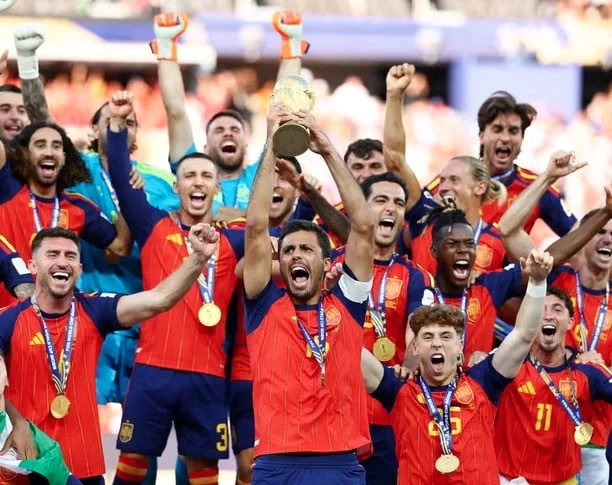
The most recent FIFA World Cup, held in 2026, saw the Spanish national team triumph over Argentina in a hard-fought final. While the victory undoubtedly etched their names in football history, the financial reward for their triumph was a reported US$50 million. This figure, substantial in absolute terms, represents a mere fraction of the prize money reportedly claimed by Chelsea, the champions of the FIFA Club World Cup in 2025. Reports indicate that Chelsea received a staggering US$125 million for their club-level global dominance. This nearly threefold difference in prize money between the two FIFA-sanctioned tournaments has raised significant questions about the underlying financial logic and objectives driving these competitions.
Unpacking the Financial Architecture: FIFA’s Revenue Streams
FIFA, the governing body of international football, has provided explanations for this apparent financial discrepancy, attributing it to the distinct business models and strategic aims that underpin each tournament. The organization operates on a four-year commercial cycle, with the period leading up to and including the 2026 FIFA World Cup projected to generate an estimated US$13 billion in revenue. The World Cup itself is the undisputed engine of this financial success, accounting for approximately US$8.9 billion of that total revenue.
The primary driver of this immense revenue is undoubtedly television broadcasting rights. This sector alone is anticipated to contribute over US$4 billion, representing a substantial 39% of FIFA’s total income for the cycle. Beyond broadcasting, FIFA garners significant income from a variety of other lucrative streams. These include the sale of match tickets and premium hospitality packages, which are always in high demand for the world’s most watched sporting event. Furthermore, the organization secures substantial financial backing through global sponsorship deals with major international corporations such as Coca-Cola, Adidas, and Visa. These partnerships not only provide critical funding but also contribute to the global branding and marketing of the World Cup. Finally, commercial licensing agreements, encompassing merchandise and other brand-related ventures, further bolster FIFA’s financial coffers.
The Club World Cup’s Financial Ascendancy: A Strategic Shift?
The FIFA Club World Cup, while not possessing the same historical gravitas as the senior World Cup, has evidently become a significant financial powerhouse for FIFA. The increased prize money for the club competition suggests a strategic recalibration within FIFA, potentially prioritizing the commercial appeal and revenue-generating capacity of club football’s global showcase. The tournament brings together the champion clubs from each of FIFA’s six continental confederations, along with the host nation’s league champion, creating a diverse and competitive field.
The expansion and rebranding of the Club World Cup, with an increased number of participating teams and a more robust commercial strategy, appear to be key factors in its escalating financial value. This expansion, which has been a subject of ongoing discussion and implementation by FIFA, aims to enhance the tournament’s global reach and marketability. The involvement of prominent, globally recognized clubs from major leagues such as Europe and South America undoubtedly contributes to its appeal to broadcasters, sponsors, and fans, thereby driving up its commercial value.
A Timeline of Evolution: From Concept to Commercial Juggernaut
The FIFA World Cup’s journey began in 1930, conceived as a tournament to crown the world’s best national footballing nation. Over the decades, its prestige has grown exponentially, fueled by iconic moments, legendary players, and passionate national followings. The prize money, while increasing over time, has historically been secondary to the honor and recognition associated with lifting the trophy.
The FIFA Club World Cup, in contrast, is a more recent innovation. Introduced in its current format in 2000, it was initially intended to replace the Intercontinental Cup, a match contested between the European and South American champions. The tournament’s evolution has seen it struggle for consistent footing and global recognition in its early years. However, under the leadership of the current FIFA administration, there has been a concerted effort to elevate its status and commercial viability. This has included plans for significant expansion, with proposals to increase the number of participating clubs from seven to twenty-four, aiming to create a more comprehensive and globally appealing event. This expansion, slated for future editions, is expected to further boost its financial significance.
Expert Analysis: Balancing Prestige and Profitability
Football analysts suggest that FIFA’s approach to prize money distribution reflects a strategic balancing act between maintaining the symbolic value of the World Cup and maximizing the commercial returns from its club competitions. While the World Cup remains the ultimate symbol of footballing excellence, its operational costs and the distribution of revenue across participating federations are complex.
"The World Cup is about national pride, legacy, and the romanticism of international football. Its financial rewards, while significant, are often reinvested into the development of football across all member nations," commented Dr. Anya Sharma, a sports economist specializing in global sports governance. "Conversely, the Club World Cup, with its focus on elite club teams and a more concentrated commercial appeal to global fan bases and corporate sponsors, presents an opportunity for higher direct revenue generation and, consequently, larger prize pools for the participating clubs."
The argument is that the financial success of the Club World Cup can indirectly benefit the broader football ecosystem. Increased revenue from the club tournament can be channeled into further investment in infrastructure, youth development, and professionalization within the club game globally, which in turn can feed into the talent pool for national teams.
Reactions and Repercussions: A Divided Fanbase?
The disparity in prize money has naturally elicited a range of reactions from football fans. For many, the emotional and historical significance of the World Cup far outweighs any financial considerations. The pride of representing one’s nation and achieving global footballing supremacy is seen as an intangible reward that cannot be quantified.
However, a segment of the fanbase, particularly those closely following the financial aspects of the sport, questions the rationale. Some argue that a more equitable distribution of funds could better reflect the World Cup’s unparalleled global viewership and cultural impact. There are also discussions about the potential for this financial divergence to influence player and club priorities, though the inherent prestige of the World Cup is widely believed to remain the ultimate aspiration for any footballer.
"It’s a bit of a paradox, isn’t it?" mused long-time football fan, David Chen from London. "You see the sheer global spectacle of the World Cup, the entire planet stops to watch. Yet, the clubs are walking away with more cash. I understand the business side, but it feels a little off balance when you consider what the World Cup truly represents."
Broader Implications: The Future of Global Football Finance
The substantial financial success of the FIFA Club World Cup, particularly with its planned expansion, signals a significant shift in the global footballing landscape. It underscores the immense commercial power of elite club football and FIFA’s strategic decision to capitalize on this. This could lead to further integration and increased commercialization of club competitions on a global scale.
The implications extend to broadcast rights negotiations, sponsorship strategies, and potentially even player contracts and transfer market dynamics. As the financial stakes continue to rise for club competitions, it may further influence the allocation of resources and attention within national football federations and continental confederations.
While the FIFA World Cup will undoubtedly retain its supreme status as the ultimate prize in international football, the growing financial clout of the Club World Cup presents a fascinating case study in the evolving economics of the beautiful game. FIFA’s ability to effectively manage and leverage both these powerful tournaments will be crucial in shaping the future of global football, ensuring a balance between sporting prestige and sustainable financial growth. The ongoing dialogue surrounding prize money distribution and the strategic direction of these flagship events will continue to be a focal point for stakeholders across the entire footballing world.
