
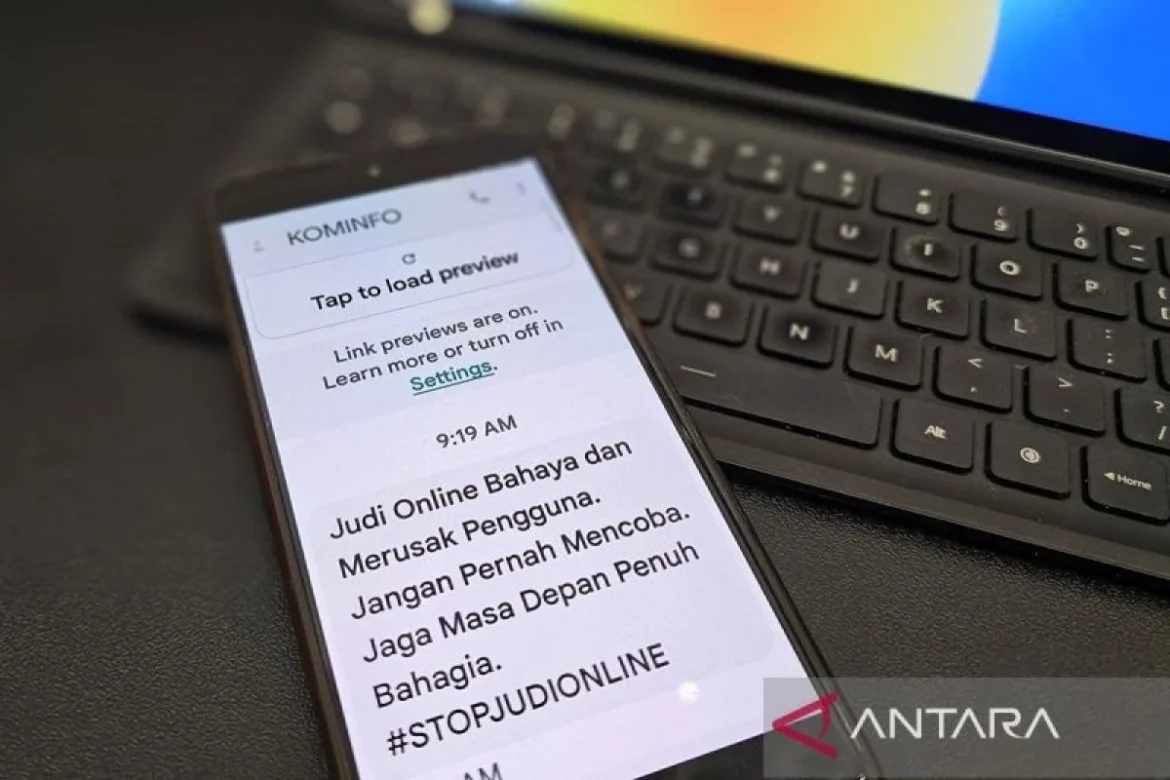
In an era defined by hyper-connectivity and the dominance of over-the-top (OTT) messaging platforms like WhatsApp, Telegram, and Signal, the humble Short Message Service (SMS) remains a critical infrastructure component. It serves as the backbone for two-factor authentication (2FA), banking notifications, and urgent government alerts. Yet, many users frequently encounter a frustrating paradox: their mobile device displays a full signal strength indicator, yet they remain unable to receive incoming text messages. This technical anomaly is more than a mere nuisance; it can prevent users from accessing secure accounts or missing time-sensitive information. Understanding the underlying mechanics of cellular networks and device configurations is essential to resolving these connectivity gaps.
The Technical Dichotomy: Cellular Networks vs. Data Connectivity
To address why SMS failures occur, one must first distinguish between data-reliant messaging and SMS. Modern messaging applications operate exclusively through internet protocols (IP), leveraging Wi-Fi or mobile data to transmit packets of information. SMS, conversely, is a legacy protocol that utilizes the Signaling System No. 7 (SS7) network, specifically designed to transmit text through the control channels of a cellular network.
Because SMS does not require an active data connection, it is often erroneously assumed to be "immune" to network instability. However, the reliance on the cellular signaling channel means that SMS is susceptible to different failure points than mobile data. A phone showing "full bars" indicates a strong connection to the Radio Access Network (RAN), but this does not guarantee that the home location register (HLR) or the SMS Service Center (SMSC) of the mobile operator is correctly routing messages to the specific device.
Core Causes of SMS Delivery Failures
The inability to receive SMS despite a robust signal is typically rooted in one of several technical domains: network infrastructure, hardware configuration, or software interference.
1. Network-Side Latency and Congestion
Even when a tower provides a strong signal, the backend systems managed by telecommunications providers may experience congestion. During peak usage hours or during mass-messaging events—such as the distribution of government emergency alerts—the SMSC can become backlogged. In these instances, the network confirms the user is connected, but the queue for message delivery becomes stalled. If this persists, the issue often lies with the operator’s routing tables rather than the user’s handset.
2. The Persistence of the iMessage "Lock-In"
A pervasive issue for users migrating between operating systems—specifically from iOS to Android—is the retention of their phone number within Apple’s iMessage ecosystem. When an iPhone user switches to an Android device without first de-registering their number from Apple’s servers, the Apple ecosystem continues to treat the number as an iMessage-compatible contact. Consequently, messages sent from other iPhones are routed through Apple’s proprietary servers rather than the standard SMS network, resulting in "lost" messages that never reach the new Android device.
3. Hardware and SIM Card Integrity
Physical integrity remains a factor in the digital age. A SIM card that is slightly oxidized, damaged, or poorly seated may maintain enough connectivity for basic signal registration but fail to handle the complex handshake required for incoming SMS packet delivery. Furthermore, with the rise of eSIM technology, software-based profiles can occasionally become corrupted, requiring a re-provisioning of the SIM profile by the carrier to restore full functionality.
4. Software Filtering and Security Protocols
Modern smartphones are equipped with sophisticated spam-detection algorithms. These systems are designed to intercept unsolicited messages, but they can occasionally exhibit "false positives." If a user’s messaging application is configured with aggressive spam filters, legitimate communications from banks or automated systems might be silently routed to a "Blocked" or "Spam" folder, leading the user to believe the SMS was never received.
A Chronological Guide to Troubleshooting
When a user encounters a communication blackout, a systematic approach is required to isolate the fault. Adopting a "from simplest to most complex" methodology minimizes unnecessary disruption to device settings.
Phase 1: Immediate Diagnostics (Minutes 0–5)
The first step is a simple device restart. Power-cycling the phone forces a re-authentication with the local cell tower, which often resolves temporary registration errors in the HLR. Following this, the user should confirm that "Airplane Mode" is not toggled on, as this state can occasionally leave the signal icon in a cached, erroneous state.
Phase 2: Configuration Audit (Minutes 5–15)
Users should examine their message application settings. For Android users, ensuring that "Google Messages" or the default manufacturer app is correctly set as the primary SMS handler is crucial. Any recent updates to the operating system or the messaging app should be verified. If the problem is specific to one contact, checking the "Blocked Numbers" list is the most logical next step.
Phase 3: Storage and Cache Management
While less common today than in the early 2000s, storage limitations can still inhibit incoming communications. If a device’s internal memory is near 100% capacity, the system may struggle to allocate the temporary storage space required to process incoming SMS buffers. Clearing the cache of the messaging app or deleting unnecessary files can often clear this bottleneck.
Phase 4: Network Intervention (Day 1)
If the issue remains unresolved, the user must contact their telecommunications provider. Support agents have the capability to perform a "SIM refresh," which sends a signal to the device to force it to re-provision all services. This step also allows the provider to verify if the account is in good standing or if there are any service restrictions placed on the line, such as a temporary suspension for billing issues.
The Broader Impact on Digital Security
The implications of failed SMS delivery extend far beyond personal inconvenience. In the financial sector, the widespread reliance on SMS-based One-Time Passwords (OTPs) creates a significant security vulnerability. If a user cannot receive SMS, they are effectively locked out of multi-factor authentication (MFA) processes for their bank accounts, social media, and email.
Security experts have long debated the reliability of SMS for authentication. While SMS is often criticized for susceptibility to "SIM swapping" attacks, it remains the most universally accessible form of 2FA. When SMS delivery is unreliable, users are forced to revert to less secure methods or abandon multi-factor protection entirely, increasing their exposure to cyber threats. The failure of this infrastructure highlights the urgent need for a more robust, standardized approach to identity verification that does not rely solely on the aging architecture of SMS.
Official Guidelines and Industry Perspectives
Major technology conglomerates, including Google and Apple, have issued extensive documentation regarding these connectivity issues. Apple’s official support stance emphasizes the "de-registration" of phone numbers when leaving the iOS ecosystem, providing a dedicated web tool for this specific purpose. Conversely, Google emphasizes the importance of keeping the "Carrier Services" app updated on Android devices, as this background application manages the interface between the device and the carrier’s network.
From an industry perspective, mobile operators acknowledge that while they strive for 99.9% uptime, the nature of wireless signal propagation means that localized interference and system maintenance will always present challenges. Most operators recommend that users who suffer from chronic SMS delivery failures test their SIM card in a secondary, known-working device. If the problem persists in the second device, the fault is confirmed to be with the SIM card or the network account. If the problem disappears, the issue is definitively isolated to the original hardware.
Conclusion: A Measured Response
It is critical for consumers to resist the urge to perform a "factory reset" of their device at the first sign of a messaging issue. A factory reset is a destructive process that erases user data and should be reserved only as a last resort, typically after the device manufacturer’s support team has confirmed a deep-level software failure.
Most cases of missing SMS messages are resolved through simple network refreshes or adjustments to account settings. By understanding that the signal icon on a smartphone is a simplified representation of a complex, multi-layered communication process, users can better navigate these technical hurdles. When technology fails to behave as expected, patience and a systematic, diagnostic approach remain the most effective tools in the modern digital toolkit. As global telecommunications continue to transition toward 5G and RCS (Rich Communication Services), the reliability of text-based messaging is expected to improve, but for the time being, these troubleshooting protocols remain essential for maintaining the integrity of our digital lives.
