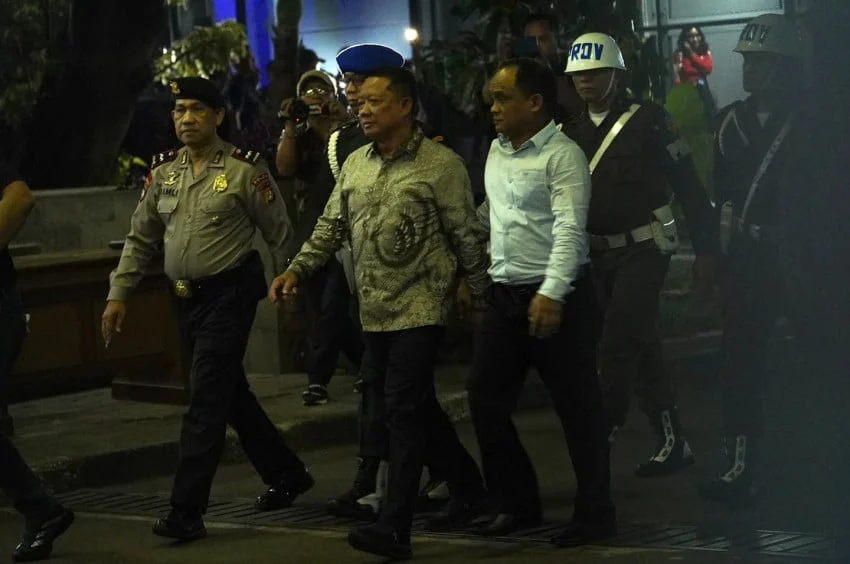
JAKARTA – In a significant development reverberating through Indonesia’s legal and anti-corruption circles, Febrie Adriansyah, the former Junior Attorney General for Special Crimes (Jampidsus), was officially detained by the Attorney General’s Office (AGO) on Friday, July 24, 2026. The decision to place Febrie Adriansyah under detention and subsequently entrust him to the Komisi Pemberantasan Korupsi (KPK) or Corruption Eradication Commission’s Red and White Building detention facility in Jakarta has been widely interpreted as a powerful signal of the AGO’s unwavering commitment to tackling corruption at the highest echelons of power. This move, seen as a strategic step to ensure the integrity and independence of the ongoing investigation, has drawn considerable attention and commendation from anti-corruption advocates and legal observers alike.
The detention of such a high-ranking former official within the very institution responsible for prosecuting major corruption cases underscores a potentially transformative moment in Indonesia’s fight against graft. Febrie Adriansyah, who previously held one of the most pivotal positions in the country’s legal apparatus, was escorted into the KPK’s detention center on Friday night following an examination at the AGO. His placement in a facility managed by the KPK, an institution historically viewed by the public as a symbol of independent anti-corruption efforts, adds an additional layer of symbolic weight to the proceedings.
A Decisive Move Hailed by Anti-Corruption Advocates
The decision by the Attorney General’s Office to detain Febrie Adriansyah and, notably, to house him in a KPK facility, has been met with positive reactions from key figures in the anti-corruption movement. Praswad Nugraha, a former investigator with the KPK, articulated this sentiment, emphasizing the importance of this step in demonstrating the AGO’s resolve. "This proves that the Attorney General’s Office is showing seriousness to the public that this case is being handled diligently and independently to the maximum extent possible," Nugraha stated in a press release on Saturday, July 25, 2026. His remarks highlight the critical need for public trust and assurance when high-profile individuals, especially those who once wielded significant power, face legal scrutiny.
Nugraha further elaborated on the strategic necessity of the detention. "This is an appropriate initial step because Febrie once held a strategic position as the Junior Attorney General for Special Crimes. Without detention, legal certainty would be neglected, and it could potentially provide an opening for ‘dark room’ efforts to obstruct the investigation," he added. This analysis points to a well-known challenge in prosecuting powerful figures in Indonesia, where influence and networks can sometimes be leveraged to impede justice. The pre-emptive measure of detention, therefore, serves as a safeguard against potential interference, ensuring that the investigative process can proceed unhindered and transparently.
Background on Febrie Adriansyah and the Jampidsus Role
To fully grasp the magnitude of this development, it is crucial to understand the significance of Febrie Adriansyah’s former role as Jampidsus. The Junior Attorney General for Special Crimes is one of the most powerful and sensitive positions within the Indonesian Attorney General’s Office. This division is specifically tasked with investigating and prosecuting complex, high-impact criminal cases, particularly those involving corruption, state asset recovery, and other forms of economic crime that often involve significant financial losses to the state.
The Jampidsus office frequently handles cases that touch upon political figures, business conglomerates, and other influential individuals, making it a focal point for public scrutiny and expectations regarding the rule of law. The individual holding this position is responsible for overseeing numerous investigative teams, making critical decisions on prosecution strategies, and ultimately shaping the outcome of some of the nation’s most challenging legal battles against corruption. Febrie Adriansyah’s tenure as Jampidsus would have involved him in sensitive investigations and decision-making processes, placing him at the heart of Indonesia’s anti-corruption efforts from within the prosecutorial branch. His detention thus sends a powerful message that no one, regardless of their past position or influence, is above the law.
Chronology of Events Leading to Detention
The detention of Febrie Adriansyah on July 24, 2026, culminates what is presumed to have been a meticulous investigative process by the Attorney General’s Office. While specific details of the underlying corruption case remain under wraps as the investigation is ongoing, the general chronology of such high-profile cases typically involves several stages:
- Initial Investigation and Information Gathering: This phase involves intelligence gathering, preliminary inquiries, and the collection of evidence to establish probable cause for alleged criminal activity. Given Febrie’s past position, this stage would likely have been conducted with extreme discretion to avoid alerting the subject and compromising the probe.
- Formal Investigation (Penyidikan): Once sufficient initial evidence is gathered, a formal investigation is opened. This allows investigators to summon witnesses, seize documents, and conduct forensic examinations. It is during this phase that individuals are officially questioned as witnesses or suspects.
- Examination and Interrogation: Febrie Adriansyah would have undergone extensive questioning by AGO investigators. These interrogations are crucial for establishing facts, identifying accomplices, and building a robust case. The examination process typically precedes a decision on detention.
- Decision for Detention: Based on the evidence collected and the risk assessment (e.g., flight risk, risk of evidence tampering, potential for obstruction), the AGO’s investigative team, in consultation with senior prosecutors, would have made the decision to formally detain Febrie Adriansyah. This decision is often made to ensure the suspect’s presence for further legal proceedings and to prevent any attempts to hinder the investigation.
- Transfer to KPK Detention Facility: Following the detention order, Febrie was transferred to the KPK’s Red and White Building detention center. This particular choice of facility is highly symbolic and strategic, as highlighted by anti-corruption experts.
This methodical progression underscores the AGO’s commitment to due process while simultaneously demonstrating its resolve to pursue justice without fear or favor, even when confronting one of its own former senior officials.
The Symbolic Weight of KPK Detention
The decision by the Attorney General’s Office to place Febrie Adriansyah in a KPK detention facility is laden with symbolic significance and practical implications. Historically, the relationship between the AGO and the KPK has been complex, characterized by periods of cooperation, but also occasional tensions and jurisdictional overlaps. Both institutions are vital pillars in Indonesia’s anti-corruption architecture, but they operate with different mandates and public perceptions.
The KPK, established in 2002 in the wake of the reform era, quickly gained a reputation for its independence, courage, and effectiveness in prosecuting high-profile corruption cases, often involving powerful individuals who seemed untouchable by conventional law enforcement. Its distinctive Red and White Building headquarters and detention facility have become synonymous with the fight against graft, representing a commitment to transparency and impartiality.
By choosing the KPK Rutan, the AGO effectively leverages this public perception of independence. It sends a clear message that the case against Febrie Adriansyah is not an internal whitewash but a serious and unbiased prosecution. This move helps to pre-empt potential accusations of favoritism or internal maneuvering, thereby bolstering public confidence in the integrity of the process. For Praswad Nugraha, the KPK Rutan is "a symbol of independence," a sentiment widely shared among the public and civil society organizations. It suggests a willingness by the AGO to embrace external scrutiny and to align itself with the highest standards of anti-corruption enforcement.
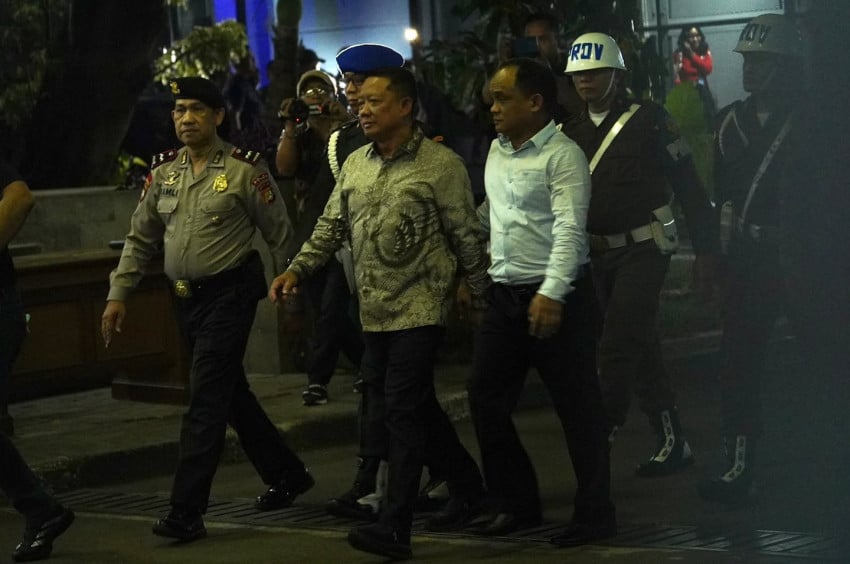
Furthermore, the logistical aspect of placing a former Jampidsus in a facility outside the direct control of the AGO minimizes any perceived conflict of interest or potential for undue influence over the detainee. It ensures that Febrie Adriansyah is held in an environment where the safeguards against such interference are robust, consistent with the KPK’s established protocols.
Broader Implications for Indonesia’s Anti-Corruption Landscape
The detention of Febrie Adriansyah carries profound implications for Indonesia’s ongoing battle against corruption. It reinforces the principle that no one is above the law, a crucial tenet for any democratic society striving for good governance. This development could serve as a powerful deterrent to other officials who might consider engaging in corrupt practices, knowing that even those at the apex of the legal system can be held accountable.
Strengthening Institutional Credibility: For the Attorney General’s Office, this action significantly boosts its credibility. For years, the AGO has worked to shed its historical image, sometimes perceived as susceptible to political influence. By prosecuting one of its own former high-ranking officials, and by doing so transparently and with symbolic gestures of independence, the AGO signals its dedication to internal reform and its commitment to upholding the rule of law. This could lead to increased public trust, which is essential for effective law enforcement.
Inter-Agency Cooperation: While the decision to use the KPK Rutan is a symbolic gesture, it also highlights the potential for improved inter-agency cooperation between the AGO and the KPK. In the past, there have been instances of rivalry or overlapping jurisdictions that sometimes hampered overall anti-corruption efforts. This move could signify a more collaborative approach, where institutions leverage each other’s strengths and resources to achieve common goals. Such synergy would be a significant step forward in Indonesia’s comprehensive anti-corruption strategy.
Public Perception and Rule of Law: The public’s perception of justice is heavily influenced by how high-profile cases are handled. The swift and decisive action against Febrie Adriansyah, coupled with the transparency surrounding his detention, can foster greater public confidence in the legal system. It sends a message that the fight against corruption is not merely rhetoric but a tangible reality, capable of reaching into the most powerful corners of government. This is vital for strengthening democratic institutions and ensuring that the rule of law prevails.
Expert and Official Reactions
Beyond Praswad Nugraha’s immediate commendation, other voices from the legal community and civil society have weighed in. Legal experts have generally applauded the AGO’s bold step. Dr. Rahardjo Widodo, a prominent constitutional law expert, stated, "This is a pivotal moment for the AGO. It demonstrates internal fortitude and a genuine commitment to accountability, even within its own ranks. The placement in a KPK facility is a masterstroke in terms of public relations and ensuring perceived independence."
Civil society organizations dedicated to good governance and anti-corruption have also expressed cautious optimism. "While the detention is a positive first step, the true measure of success will be a fair and transparent trial and, if found guilty, appropriate sentencing," commented Dina Kusuma, spokesperson for the Indonesian Anti-Corruption Watchdog (ICW). "We will continue to monitor the proceedings closely, advocating for full transparency throughout the judicial process."
The Attorney General’s Office itself, through a brief statement from its Head of Legal Information Center, confirmed the detention and reiterated its commitment to upholding justice without discrimination. "The Attorney General’s Office is committed to thoroughly investigating all allegations of corruption, irrespective of the position or background of the individuals involved. This action is a testament to that commitment and our dedication to ensuring legal certainty and accountability," the statement read, though it refrained from commenting on the specifics of the ongoing investigation.
The Path Forward: Challenges and Expectations
While the detention of Febrie Adriansyah marks a significant victory for anti-corruption efforts, the road ahead remains challenging. The investigation and subsequent trial will undoubtedly be complex, requiring meticulous evidence gathering, robust legal arguments, and unwavering resolve from the prosecution.
Maintaining Momentum: It is crucial for the AGO to maintain the momentum and transparency established with this initial step. Any perceived slowdown or deviation from the course could erode public trust and invite skepticism. The public will be keenly watching for further developments, including the formal charges, the progress of the trial, and the eventual verdict.
Ensuring Due Process: While the focus is on accountability, ensuring that Febrie Adriansyah receives a fair trial and that all his legal rights are respected is paramount. Adherence to due process is fundamental to the legitimacy of any legal proceeding and reinforces the strength of the judicial system.
Addressing Systemic Issues: The case of Febrie Adriansyah, like many high-profile corruption cases, often points to broader systemic vulnerabilities within institutions. Beyond prosecuting individuals, it is essential for the government and relevant agencies to identify and address the root causes and structural weaknesses that facilitate corruption. This may involve further reforms in procurement processes, asset declaration requirements, whistleblower protection, and internal oversight mechanisms within government bodies.
In conclusion, the detention of former Jampidsus Febrie Adriansyah, and his placement in a KPK detention facility, stands as a powerful testament to the Attorney General’s Office’s renewed seriousness in combating corruption. This development, praised by anti-corruption figures and legal experts, not only ensures the integrity of the ongoing investigation but also sends a clear message about accountability at the highest levels of power. As Indonesia continues its journey towards good governance and a cleaner bureaucracy, such decisive actions are critical in fostering public trust, strengthening institutions, and reinforcing the bedrock principle that justice truly is blind. The coming months will be crucial in demonstrating the enduring impact of this significant legal action on the nation’s anti-corruption landscape.