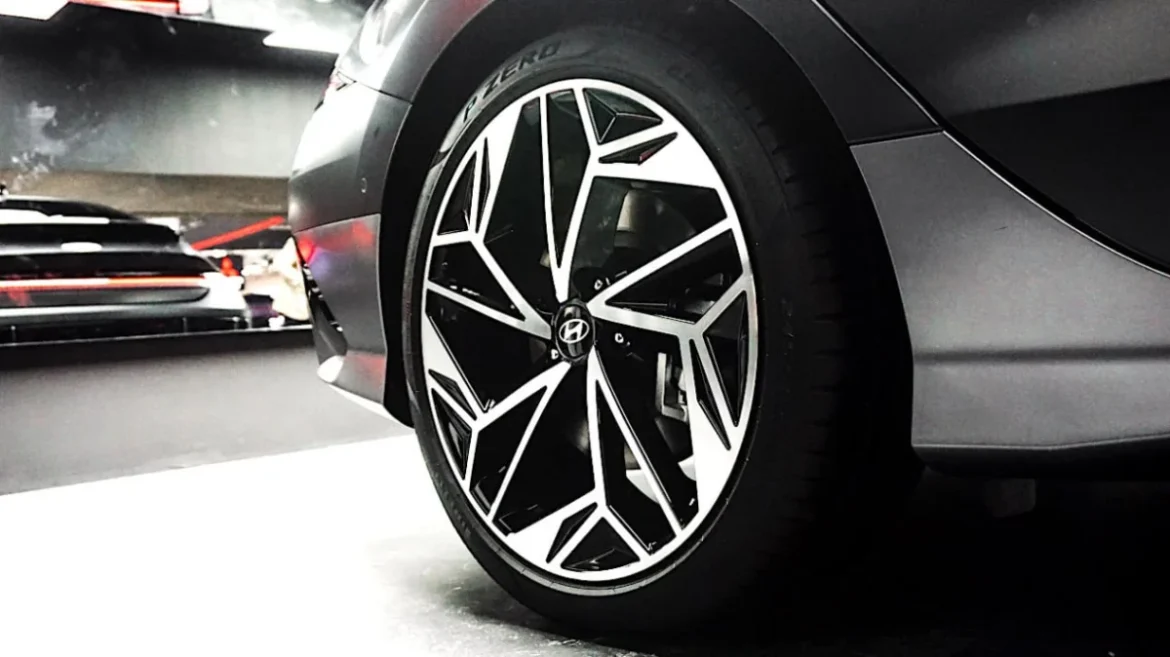
The global automotive landscape is undergoing a seismic shift as internal combustion engine (ICE) vehicles gradually cede market share to electric vehicles (EVs). In Indonesia, as the adoption of battery-powered cars accelerates, owners are encountering a steep learning curve regarding maintenance. Among the most critical, yet often overlooked, components of this transition is the tire. Unlike traditional vehicles, electric cars impose unique physical demands on their rolling stock due to significantly heavier curb weights, instantaneous torque delivery, and the necessity for superior energy efficiency. As of September 13, 2026, the Indonesian automotive market reflects this complexity, with specialized EV tire prices ranging from IDR 700,000 to over IDR 3 million per unit, depending on size and performance specifications.
The Engineering Necessity of EV-Specific Tires
To understand why a simple tire swap is insufficient for an EV, one must examine the fundamental differences in vehicle architecture. A typical electric vehicle is equipped with a battery pack that can add several hundred kilograms to the total weight of the chassis compared to a gasoline-powered counterpart of a similar size. This increased mass exerts continuous, high-pressure stress on the tire structure.
Furthermore, electric motors deliver 100% of their available torque from a standstill. While this provides the exhilarating acceleration associated with modern EVs, it creates an immense amount of friction and stress on the tire tread during every start. If a driver installs a standard tire designed for a light, low-torque combustion vehicle, the tread will likely wear out prematurely, and the tire may fail to provide the necessary grip for safe cornering or emergency braking.
Manufacturers have responded by developing tires with reinforced sidewalls to support the battery load and high-performance rubber compounds that can withstand high-torque forces while maintaining a low rolling resistance. Rolling resistance is the energy lost as a tire rolls and deforms under the weight of the vehicle; by minimizing this, tires directly contribute to the vehicle’s range per charge. Additionally, because EVs lack the ambient noise of a combustion engine, tire noise becomes more audible to passengers. Consequently, engineers have integrated sound-dampening foam technologies within the internal cavity of EV tires to ensure a quieter, more refined cabin experience.
Market Analysis: Pricing and Sizing Trends in Indonesia
As of mid-September 2026, the cost of maintaining an EV in Indonesia has become a significant consideration for potential buyers. Data aggregated from automotive retailers indicates that the investment for a full set of four tires varies drastically based on rim diameter and the technical specifications required for the vehicle’s specific segment.
For vehicles equipped with 15-inch rims—often found in compact urban commuters—the price per tire fluctuates between IDR 700,000 and IDR 1.4 million. This results in a total replacement cost ranging from IDR 2.8 million to IDR 5.6 million. As we move to the 16-inch category, the price per unit shifts to IDR 800,000 to IDR 2.1 million, bringing the total for a full set to between IDR 3.2 million and IDR 8.4 million.
The 17-inch rim size, which is becoming the industry standard for mid-sized sedans and crossovers, commands a price range of IDR 950,000 to IDR 2.3 million per tire. Owners should expect to budget between IDR 3.8 million and IDR 9.2 million for a full set. For 18-inch rims, commonly found on premium EVs and compact SUVs, the cost per tire jumps significantly to a range of IDR 1.2 million to IDR 3.1 million, leading to a total expenditure of IDR 4.8 million to IDR 12.4 million per set.
Factors Influencing the Cost Variance
The price gap between tires of the same size is rarely accidental. It is driven by a complex interplay of material science and marketing. Premium brands often utilize advanced synthetic polymers and nano-silica compounds that provide a superior balance between longevity and grip. These high-tier tires often feature a higher "Load Index" and "Speed Rating" to accommodate the higher performance ceilings of modern EVs.
Furthermore, the construction of the tire plays a pivotal role. Tires designed with a "casing" that utilizes Aramid or Kevlar reinforcement are naturally more expensive to produce than standard polyester-ply tires. The tread pattern design also contributes to the cost; asymmetric or directional patterns designed to evacuate water efficiently while maintaining a high contact patch area require more precision in the manufacturing mold, thus increasing the retail price.
The Implications for EV Owners and Fleet Operators
The economic implications for EV owners are clear: the cost of ownership includes a higher "per-mile" tire expense compared to traditional cars. While EVs generally require less mechanical maintenance—due to the absence of oil changes, transmission flushes, or spark plug replacements—the tire replacement cycle is often shorter.
For fleet operators in Indonesia, such as ride-hailing services or logistics companies transitioning to electric delivery vans, this presents a logistical challenge. Proper tire pressure management and regular rotation are no longer just suggestions; they are financial imperatives. Under-inflated tires on an EV increase rolling resistance, which directly reduces battery range and increases the electricity cost per kilometer. Furthermore, given the weight of the battery, failing to rotate tires according to the manufacturer’s schedule will result in uneven "cupping" or rapid tread depletion, forcing an early replacement of all four tires.
Future Outlook and Sustainability
As the Indonesian government continues to push for the widespread adoption of electric vehicles through tax incentives and infrastructure development, the tire industry is also expected to evolve. Local production of EV-specific tires could potentially lower the price point for consumers in the coming years.
Industry experts suggest that as EV technology matures, we will see a greater emphasis on "Sustainable Tire Manufacturing." This includes the use of bio-based materials and recycled rubber, which may help offset the environmental impact of tire production. Furthermore, the integration of sensors within the tire—often called "Smart Tires"—is on the horizon. These sensors will provide real-time data on tread depth, internal temperature, and pressure, sending notifications to the driver’s mobile application. This technology will empower owners to maximize the lifespan of their tires, potentially reducing the frequency of replacements and mitigating the higher costs associated with EV-specific components.
Recommendations for Consumers
When the time comes to replace tires, owners are strongly advised to adhere to the specifications outlined in their vehicle’s owner’s manual. While it may be tempting to opt for a cheaper, standard tire, the consequences could include reduced battery range, increased cabin noise, and compromised handling in wet conditions.
- Verify Load Index: Ensure the tire’s load rating is capable of supporting the specific weight of the EV battery pack.
- Prioritize Low Rolling Resistance (LRR): Look for the manufacturer’s LRR rating to ensure the tire does not negatively impact the vehicle’s range.
- Professional Installation: Due to the weight of EVs, specialized equipment and precise wheel alignment are essential during installation to prevent uneven wear.
- Regular Monitoring: Use a digital tire pressure gauge at least once a month. Because of the weight, even a slight drop in pressure can significantly increase energy consumption.
In conclusion, while the transition to electric mobility brings significant environmental and performance benefits, it necessitates a shift in how vehicle owners approach maintenance. Tires are the singular point of contact between the vehicle and the road, and in the world of electric mobility, they serve as the bridge between raw battery power and efficient, safe, and comfortable transport. As the Indonesian market continues to mature, both consumers and tire manufacturers must prioritize education and innovation to ensure that the transition to sustainable transport remains both affordable and reliable.