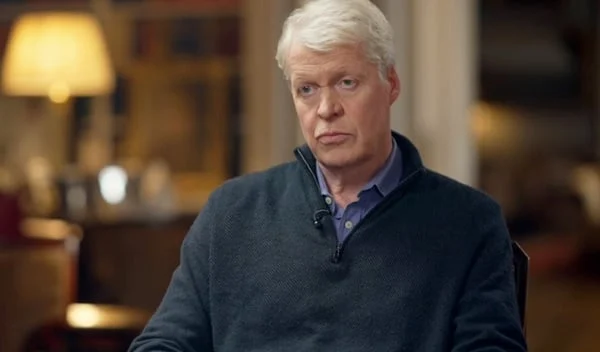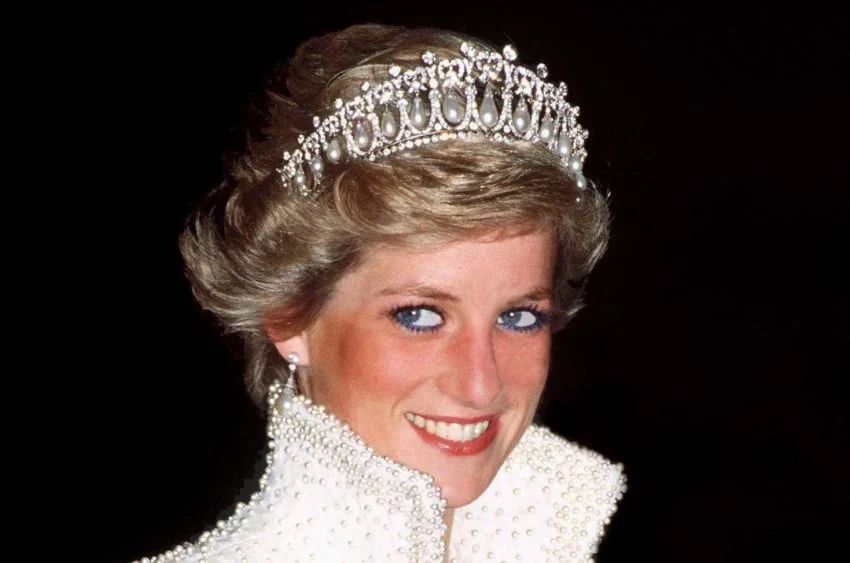
The relationship between the British aristocracy and the House of Windsor has long been a subject of intense public fascination, but rarely has it been as fraught with tension as the current discourse surrounding Earl Charles Spencer. Nearly three decades after the tragic death of his sister, Diana, Princess of Wales, the 9th Earl Spencer has brought renewed scrutiny to the inner workings of the monarchy. Through his latest literary contributions and public statements, Spencer has leveled serious allegations against King Charles III, suggesting that the monarch’s response to the grief and trauma surrounding the 1997 funeral of the Princess of Wales was marked by cold indifference and volatility. These revelations have not only reopened historical wounds but have also sparked a fierce debate regarding the boundaries between royal duty and personal humanity.
A Promise Recalled: The 1997 Eulogy
To understand the gravity of Earl Spencer’s current claims, one must return to the emotional landscape of September 1997. During the funeral service at Westminster Abbey, Charles Spencer delivered a blistering, heartfelt eulogy that echoed across the globe. Standing before the world, he vowed to protect his nephews, Prince William and Prince Harry, from the pressures and isolation that had plagued his sister’s life. He described them as his "blood family" and pledged to shield them from the intense media and institutional scrutiny that Diana had famously struggled to endure.
For years, that promise was viewed as the cornerstone of the Spencer family’s role in the lives of the young princes. However, the release of Spencer’s recent reflections suggests that his protective stance was born not just from love, but from a profound mistrust of how the royal institution handled the aftermath of the tragedy. By choosing to detail his interactions with the then-Prince Charles in the days following the crash in Paris, Spencer has effectively challenged the curated narrative of royal composure during the 1997 crisis.
The Allegations: Confrontation and Indifference
Central to the controversy are the Earl’s claims regarding his phone conversations with King Charles III immediately following Diana’s death. According to excerpts from his recent work, Spencer asserts that he faced a barrage of "uncontrolled anger" from the future King. The tension allegedly centered on the funeral proceedings, specifically regarding the participation of Princes William and Harry.
Spencer maintains that he was deeply concerned about the psychological toll the public spectacle of the funeral would take on the young boys, then aged 15 and 12. He recalls advising against their involvement in the walking procession behind the coffin, fearing it would be a traumatic, life-altering experience. The Earl claims that his efforts to prioritize the children’s mental health were met with hostility. Furthermore, he alleges that the then-Prince of Wales dismissed the long-term impact of the loss, reportedly remarking, "we will soon forget her." While Buckingham Palace has categorically denied these assertions, describing them as distortions of historical events, the claim has sent shockwaves through the British press and public alike.
The "Gaslighting" Accusation
The response from the Palace was swift and stern. In an unusually candid statement, institutional representatives suggested that the Earl’s recollection may be clouded by the lingering, unprocessed grief of a mourning brother. They hinted that the passage of time and the intensity of familial trauma could distort one’s perception of reality.
Spencer’s retort was equally sharp, labeling the Palace’s dismissal as "gaslighting." In a high-profile interview with the Mail on Sunday, the Earl expressed his disbelief at finding himself in a public conflict with the monarch. "It is not a common occurrence to wake up and find yourself being gaslit by the King," he remarked. This exchange highlights a growing divide between the modern, candid approach of the Spencer family and the traditional, opaque methods of the Royal Household. Analysts point out that this conflict represents a fundamental clash of values: the aristocracy’s desire for personal truth versus the institution’s need for narrative control and preservation of the monarchy’s dignity.
Context: The Spencer and Windsor Lineage
To understand the depth of this rift, one must consider the historical and social standing of the Spencer family. Charles Spencer, born on May 20, 1964, was raised in a world of immense privilege, deeply intertwined with the British establishment. His father, the 8th Earl Spencer, was a courtier, and his godmother was Queen Elizabeth II herself. The family’s ancestral seat, Althorp House in West Northamptonshire, has been in their possession since 1508, serving as a symbol of the family’s enduring power and influence.
Educated at Eton College—the same institution that would later host Princes William and Harry—and Magdalen College, Oxford, Charles Spencer is a man of significant academic and professional background. His career as a broadcast journalist, most notably with NBC News in the United States, afforded him a unique perspective on the intersection of media and public life. This experience arguably informed his handling of the press following Diana’s death, as he navigated the treacherous waters of public mourning while trying to maintain privacy for his family.
Historical Timeline: Key Milestones
- 1961: Diana Frances Spencer is born; Charles Spencer follows in 1964.
- 1981: Lady Diana Spencer marries Prince Charles, joining the Royal Family.
- 1992-1996: The separation and eventual divorce of the Prince and Princess of Wales, accompanied by intense media scrutiny.
- August 31, 1997: Princess Diana dies in a car crash in Paris.
- September 6, 1997: Earl Spencer delivers his iconic eulogy at Westminster Abbey, vowing to protect William and Harry.
- 2020s: Earl Spencer publishes new memoirs and reflections, leading to the current public confrontation with Buckingham Palace.
Professional Analysis: Implications for the Monarchy
The public nature of these allegations raises significant questions about the future of the British monarchy’s reputation. Political commentators suggest that the institution is currently in a "transitional vulnerability." With King Charles III having ascended the throne, and the monarchy grappling with a shifting cultural landscape, internal dissent from figures like the Earl Spencer poses a challenge to the "dignified" silence typically maintained by the Royal Household.
From a public relations standpoint, the Palace’s strategy of dismissing critics as "grief-stricken" or "emotional" has seen diminishing returns. In an era of increased transparency, such tactics are often perceived by the younger generation as outdated or manipulative. However, supporters of the King argue that these revelations serve little purpose other than to monetize personal history and disrupt the stability of the monarchy. They contend that the complexity of family dynamics in 1997 cannot be reduced to soundbites decades later.
Conclusion: The Cost of Truth
The ongoing saga between Earl Spencer and the Crown serves as a sobering reminder of the lasting impact of the Princess Diana era. The tragedy of 1997 was not merely a loss of a public figure; it was the catalyst for a fundamental shift in how the British public viewed their royal family. The Earl’s willingness to break the silence—even at the risk of further alienating his nephews or damaging his relationship with the institution—underscores his commitment to his version of the truth.
As the debate continues, the legacy of Princess Diana remains central to the narrative. Whether the Earl’s revelations are viewed as a necessary act of transparency or a disruptive intrusion into the privacy of the sovereign, they have ensured that the history of the House of Windsor will continue to be debated with the same intensity that characterized the life and death of the woman who brought them all together. The "belati ke jantung" or "dagger to the heart" metaphor used by the British press aptly captures the severity of this rupture, signaling that for the Spencer and Windsor families, the wounds of 1997 remain far from healed.