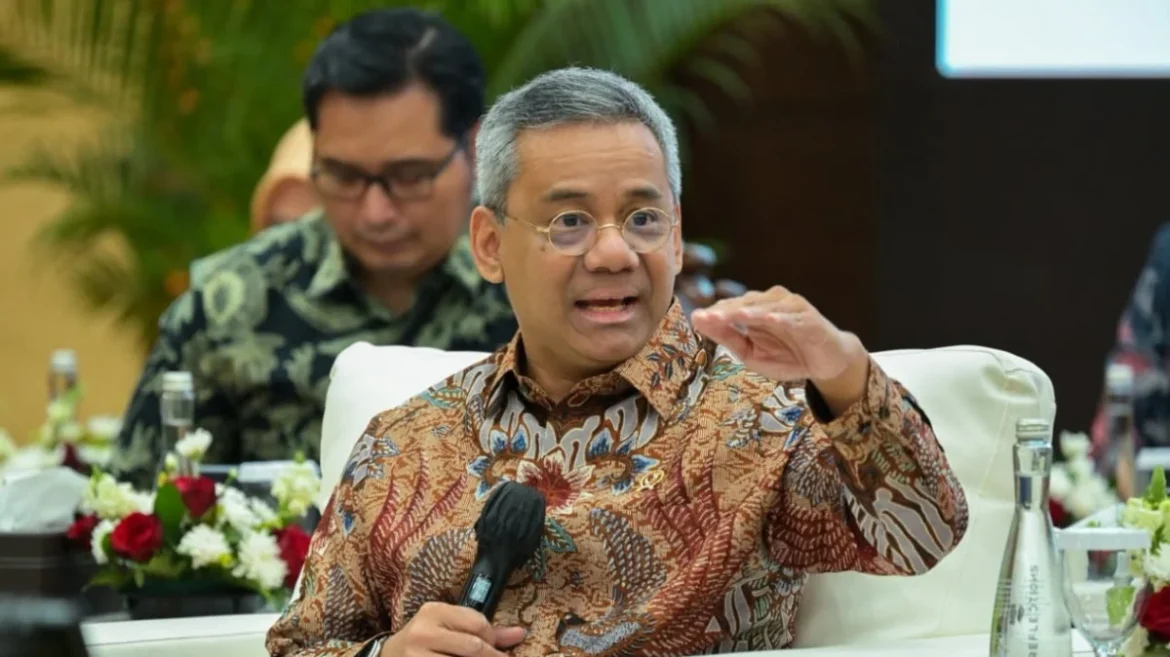
The Indonesian government has officially announced the final settlement of debt obligations associated with the Bantuan Likuiditas Bank Indonesia (BLBI), or Bank Indonesia Liquidity Assistance, a massive financial rescue package issued during the height of the 1997–1998 Asian financial crisis. Minister of Finance Suahasil Nazara confirmed that the remaining liabilities, which have burdened the state budget for nearly three decades, were fully extinguished as of August 2026. This milestone marks the conclusion of a complex fiscal recovery process that has shaped Indonesia’s economic policy, sovereign debt management, and banking oversight for over twenty-eight years.
The resolution was achieved through the strategic utilization of surplus funds generated by Bank Indonesia (BI), which were transferred to the state treasury in accordance with prevailing financial regulations. Following an audit of the 2025 fiscal books, the central bank identified a significant surplus, allowing the Ministry of Finance to secure Rp58 trillion in revenue categorized as Separated State Assets (KND). This infusion of capital served as the primary mechanism to retire the final tranche of the crisis-era debt instruments.
A Chronology of the BLBI Crisis and Recovery
The BLBI program was initiated in the late 1990s as an emergency measure to prevent the total collapse of the Indonesian banking system following the sudden depreciation of the Rupiah and the subsequent banking runs. Between 1997 and 1998, Bank Indonesia extended massive liquidity support to banks facing insolvency. However, the program was marred by systemic irregularities, mismanagement, and high levels of non-performing loans, leading to a long-term fiscal burden that forced the government to issue various forms of government bonds and recapitalization securities.
The path to settlement has been incremental:
- 1997–1998: Implementation of the BLBI scheme to provide emergency liquidity to commercial banks.
- 1999–2000s: Issuance of massive recapitalization bonds (recap bonds) to restore the capital adequacy ratios of the rescued banking sector.
- July 2020: A significant milestone was reached when the government successfully retired a major portion of the outstanding recapitalization bonds.
- August 2026: The final settlement of the remaining BLBI-related debt instruments, officially closing the book on the crisis-era financial obligations.
For decades, these debt instruments required the government to pay substantial interest, which diverted significant portions of the national budget away from infrastructure, social welfare, and human capital development. The final payment in August 2026 is viewed by fiscal analysts as a pivotal moment for Indonesia’s sovereign credit profile and long-term fiscal sustainability.

The Role of Bank Indonesia Surplus
Minister Suahasil Nazara explained that the mechanism for this repayment is rooted in the statutory role of Bank Indonesia. Under the legal framework governing the central bank, when the bank realizes a surplus after accounting for operational costs and reserve requirements, that surplus is transferred to the state treasury.
"The usage of these funds is strictly regulated to pay down state obligations, specifically the settlement of government debt instruments that were issued during the 1997–1998 crisis," Suahasil stated during an official briefing. By leveraging the Rp58 trillion transfer from the KND, the Ministry of Finance was able to eliminate the interest-bearing debt without resorting to new external borrowing. This move not only reduces the government’s debt-to-GDP ratio but also enhances investor confidence in Indonesia’s fiscal discipline.
Macroeconomic Implications and Fiscal Space
The retirement of the BLBI debt carries profound implications for Indonesia’s future fiscal policy. For years, the interest payments on these bonds were a structural component of the "rigid" portion of the state budget. With these obligations cleared, the government gains additional fiscal maneuverability.
Economists note that the removal of these liabilities improves the quality of the state budget. Instead of servicing legacy debt from the 1990s, the government can theoretically redirect these funds toward productive sectors. As Indonesia moves toward its 2045 "Golden Indonesia" vision, the absence of this historical debt burden provides a cleaner slate for national development planning.
Furthermore, the settlement demonstrates the maturity of Indonesia’s financial regulatory framework. The cooperation between the Ministry of Finance and Bank Indonesia highlights a coordinated approach to crisis management and legacy debt reduction, signaling to international rating agencies that Indonesia is capable of resolving long-standing structural financial issues without jeopardizing its macroeconomic stability.
The Broader Context of Debt Management
While the BLBI settlement is a cause for celebration, it also serves as a reminder of the fragility of emerging market financial systems. The 1997 crisis was a transformative event that led to the restructuring of the entire Indonesian financial sector, including the implementation of more stringent capital requirements, the establishment of the Indonesia Deposit Insurance Corporation (LPS), and the transition to an independent central bank.

The successful retirement of these bonds also aligns with a period of intense focus on fiscal sustainability under the current administration. As labor unions and industrial associations, such as the Federation of Tobacco, Food, and Beverage Workers (FSP RTMM-SPSI), look toward the government for policies on industrial sustainability and labor protection, the improved fiscal position offers the administration more room to maneuver in responding to these demands.
Expert Analysis: Moving Beyond the 1998 Shadow
Financial analysts have long described the BLBI debt as a "ghost of the past." Its presence in the national balance sheet was a constant reminder of the chaos of the late 90s. With the debt now fully retired, policymakers are expected to focus more heavily on future-oriented fiscal strategies, such as digital economy integration, green energy financing, and healthcare infrastructure.
"This is not just an accounting exercise," said a senior economic researcher based in Jakarta. "It is the symbolic closure of an era. By clearing the last of the recapitalization bonds and BLBI-related instruments, the government is essentially saying that it has fully internalized the costs of the 1998 collapse. This increases the credibility of the Indonesian state in the eyes of both domestic and foreign investors."
However, the closure of this chapter does not mean that the government can afford complacency. The global economic landscape remains volatile, and while the BLBI debt is gone, the focus must now shift toward managing modern debt levels, particularly in the context of infrastructure-heavy development projects and global inflationary pressures.
Conclusion: A New Chapter for Indonesia
The announcement by Minister Suahasil Nazara on September 20, 2026, marks the end of a long and often contentious saga in Indonesian economic history. The resolution of the BLBI-related debt is a testament to the country’s persistence in cleaning up the remnants of the Asian financial crisis. As the nation moves forward, the focus will undoubtedly shift toward leveraging this newfound fiscal space to foster sustainable growth, improve public services, and strengthen the social safety net.
The finality of this settlement provides a clear signal to the global community: Indonesia has reconciled its past and is firmly focused on the future. With the weight of the 1997–1998 crisis finally lifted from the national balance sheet, the government is better positioned to navigate the complex economic challenges of the next decade, ensuring that the lessons learned from the BLBI era continue to inform a more robust and resilient fiscal architecture for the nation.