JAKARTA, Indonesia — Indonesia’s aggressive push toward comprehensive domestic mineral downstreaming has achieved a significant milestone, with Russian aluminum giant United Company Rusal committing to construct a major bauxite processing and refining facility in Kalimantan. The strategic investment follows high-level bilateral engagements between Indonesian and Russian leadership, signaling a strengthening economic partnership between Jakarta and Moscow despite a complex geopolitical landscape.
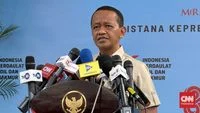
Minister of Energy and Mineral Resources (ESDM) Bahlil Lahadalia confirmed that the world-class aluminum producer is in the advanced stages of securing regulatory approvals for the ambitious project. The initiative is structured as a collaborative venture, bringing together Russian technological and financial capital with the operational capacity of domestic Indonesian business groups. As the administration of President Prabowo Subianto accelerates efforts to transition the national economy from a raw commodity exporter to a high-value industrial manufacturing hub, this partnership represents a cornerstone of Indonesia’s broader resource nationalism framework.
Strategic Bilateral Context and Presidential Diplomacy
The genesis of Rusal’s upcoming investment in Kalimantan traces back to high-level diplomatic and economic exchanges earlier in the month. President Prabowo Subianto, during his official visit to Russia, actively courted Russian enterprises to participate in Indonesia’s industrialization agenda. Speaking at the Eastern Economic Forum (EEF) in Vladivostok on Thursday, September 4, President Prabowo outlined Indonesia’s open-door policy for foreign direct investment (FDI), specifically highlighting the anticipated entry of Rusal into the domestic market.
"Rusal will enter Indonesia on a large scale to develop a refinery together with Indonesian groups," President Prabowo stated during his address at the prestigious economic summit, emphasizing that Jakarta views Moscow as a vital partner in its long-term economic development strategy. The Indonesian head of state reiterated that the archipelago remains eager to expand bilateral cooperation across multiple strategic sectors, ranging from energy security and advanced technology to infrastructure and natural resource processing.
Following the presidential meetings in Moscow, Minister Bahlil Lahadalia operationalized the directives upon his return to Jakarta. During a press briefing at the Ministry of ESDM office on Friday, September 11, Bahlil provided granular details regarding the implementation of the bilateral agreements.
"They will build a downstream facility for bauxite to become alumina, and that will be located in the Kalimantan region," Bahlil told reporters. He added that the administrative frameworks and licensing procedures are approaching finalization, ensuring that the project complies with Indonesia’s stringent environmental and mining regulations while prioritizing local corporate partnerships.
The Mechanics of the Rusal-Indonesia Partnership
Under the current regulatory framework governing the mining sector in Indonesia, foreign mining and processing entities are required to partner with domestic enterprises, ensuring technology transfer, local workforce development, and equitable economic distribution. Rusal’s entry into the Indonesian market adheres to this mandate, as the Russian firm is forging formal partnerships with established local business consortia.
Minister Bahlil emphasized the collaborative nature of the enterprise, noting, "For the licensing matters, it is at an almost final stage, and we are indeed collaborating, and they are cooperating with domestic entrepreneurs." This hybrid business model mitigates potential regulatory hurdles and aligns with Indonesia’s constitutional mandate that natural resources must be managed to maximize national prosperity.
By establishing a bauxite refinery—commonly referred to as an alumina refinery—the project will bridge the gap between raw bauxite extraction and the production of smelter-grade alumina, which is the primary feedstock for aluminum smelting. Historically, Indonesia exported raw bauxite to international markets, forfeiting the higher profit margins associated with refined products. The construction of the Kalimantan refinery will effectively internalize this value-add process.
Economic Background and Downstreaming Policy Evolution
Indonesia’s steadfast commitment to mineral downstreaming (hilirisasi) is not a recent policy shift, but rather the culmination of a decade-long strategic pivot. The policy was aggressively initiated under former President Joko Widodo and has been fully embraced and expanded by the current administration of President Prabowo Subianto.
The primary catalyst for this industrial policy was the implementation of the 2020 ban on the export of unprocessed nickel ore, a move that successfully transformed Indonesia into a global hub for stainless steel and electric vehicle (EV) battery material production. Buoyed by the immense economic success of the nickel downstreaming policy—which generated billions of dollars in foreign investment, created hundreds of thousands of jobs, and significantly boosted export revenues—the Indonesian government systematically extended the export ban philosophy to other critical minerals, including bauxite, copper, and tin.
In June 2023, the Indonesian government officially enforced a ban on raw bauxite exports, compelling mining companies to construct domestic processing facilities. While the ban initially caused short-term economic friction and a temporary contraction in regional mining revenues, it successfully forced industrial players to commit capital to domestic smelter construction. Rusal’s decision to build a refinery in Kalimantan is a direct outcome of this regulatory pressure combined with targeted investment promotion by the Indonesian government.
Kalimantan: The Emerging Epicenter of Aluminum Production
The selection of Kalimantan as the site for Rusal’s bauxite refinery is strategically sound. The island possesses abundant bauxite reserves, particularly in provinces such as West Kalimantan, which has historically been a major contributor to Indonesia’s raw mineral extraction.
However, transforming bauxite into alumina and subsequently into aluminum is an energy-intensive industrial process. Alumina refining requires reliable access to electricity and water, while aluminum smelting demands massive, uninterrupted baseload power. Analysts note that Kalimantan’s geographical proximity to emerging domestic industrial clusters, combined with the island’s vast potential for renewable energy development—including hydropower and biomass—makes it an ideal long-term location for heavy metallurgical industries.
Furthermore, the concentration of heavy industry in Kalimantan aligns with the government’s broader spatial planning goals, which seek to distribute economic growth away from the traditional industrial centers of Java. The development of the Rusal refinery is expected to catalyze secondary and tertiary industries in the region, ranging from logistics and port infrastructure to mechanical maintenance and housing developments for the local workforce.
Geopolitical and Economic Implications
The entry of a major Russian enterprise into Indonesia’s strategic minerals sector carries broader geopolitical and economic dimensions. In the wake of sweeping Western sanctions against Russian industrial entities following the outbreak of the Russia-Ukraine conflict, Rusal—one of the world’s largest aluminum producers—has actively sought to diversify its supply chains, operational bases, and export markets outside of traditional Western jurisdictions.
For Indonesia, engaging with Russian firms in non-sanctioned economic sectors such as mineral processing underscores Jakarta’s traditional foreign policy stance of active neutrality, or bebas aktif. Indonesia maintains diplomatic and trade relations with both Western nations and countries like Russia and China, prioritizing national economic interests above geopolitical alignments.
From an economic perspective, the partnership diversifies Indonesia’s foreign investment sources. While Chinese companies have historically dominated the nickel and bauxite downstreaming sectors in Indonesia through massive capital outlays in Sulawesi and Maluku, the introduction of Russian capital and technical expertise brings a new dynamic to the competitive landscape of Indonesia’s mining sector.
Challenges and Outlook Ahead
Despite the promising outlook, industry analysts point out several challenges that Rusal and its Indonesian partners must navigate to ensure the project’s success. Infrastructure bottlenecks, particularly regarding power supply and deep-water port logistics in Kalimantan, require coordinated investment from both the private sector and the central government. Additionally, adhering to stringent environmental, social, and governance (ESG) standards will be critical, given global scrutiny over the carbon footprint of aluminum production and the ecological sensitivity of tropical mining regions.
The Ministry of ESDM has signaled that it will closely monitor the licensing and construction phases to ensure compliance with national environmental safeguards and local employment quotas. With the permitting process nearing final completion, ground-breaking ceremonies and initial civil engineering works are anticipated to commence in the near future, marking a new chapter in Indonesia’s industrial transformation and bilateral trade relations with Moscow.
As Indonesia continues to assert its sovereignty over its natural resource wealth, the Rusal bauxite refinery project in Kalimantan stands as a tangible indicator of the nation’s economic trajectory—one defined by aggressive value addition, strategic international partnerships, and a resolute march toward industrial self-reliance.