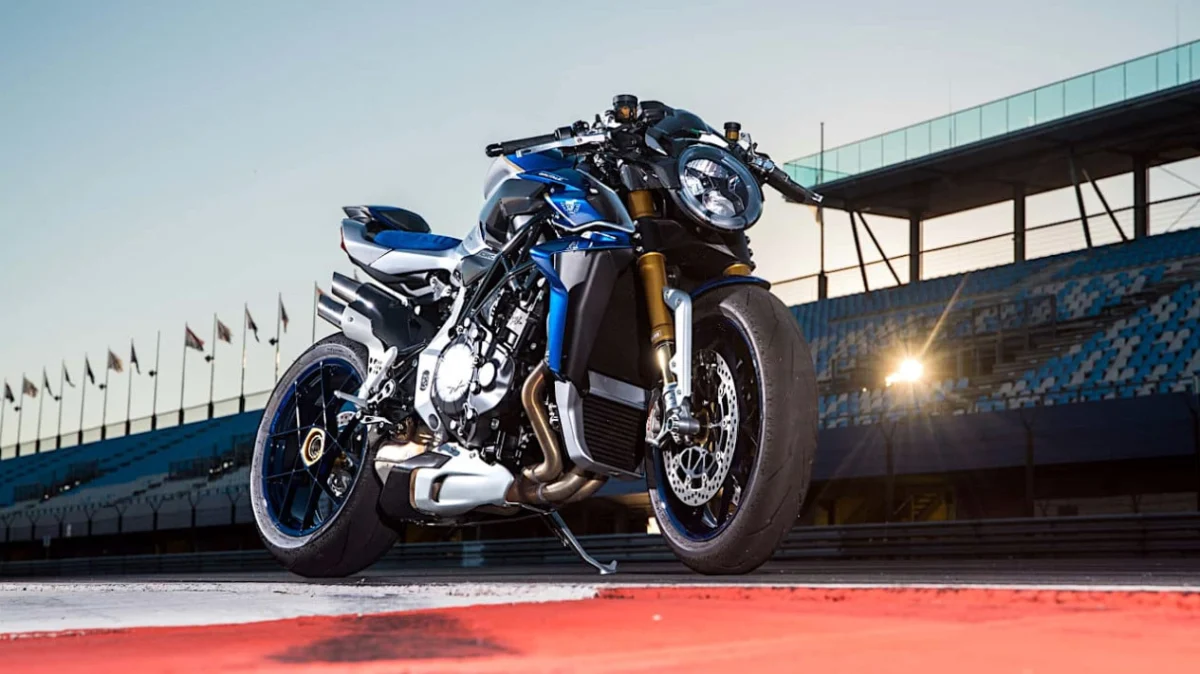
The legendary Italian motorcycle manufacturer, MV Agusta, is currently grappling with a severe liquidity crisis that has effectively paralyzed its operations at the historic Varese production facility. Since April 2026, the assembly lines that once produced some of the world’s most iconic performance motorcycles have remained silent, casting a long shadow over the future of the brand. This latest chapter of instability arrives shortly after the company regained its independence following a tumultuous split from the Austrian giant, KTM, marking a precarious turning point for the manufacturer known as the "motorcycle world’s art gallery."
The Collapse of the CFMoto Strategic Partnership
The current crisis was exacerbated by the sudden dissolution of a proposed strategic alliance with the Chinese motorcycle titan, CFMoto. In June 2026, the industry was optimistic as both parties signed a Memorandum of Understanding (MOU) that would have seen CFMoto acquire a 49 percent stake in MV Agusta. The deal was designed to be a lifeline, injecting tens of millions of euros into the Italian firm to facilitate a comprehensive corporate restructuring and stabilize its supply chain.
However, the deal collapsed during the final stages of negotiation. Reports indicate that the primary stumbling block was a fundamental disagreement regarding financial obligations and valuation. CFMoto, which has been aggressively expanding its global footprint, reportedly withdrew its offer after failing to align with the specific capital demands requested by the Italian stakeholders. With this safety net removed, MV Agusta found itself without the liquidity necessary to satisfy its creditors or procure the components required to resume manufacturing.
A Chronology of Instability: From KTM to Independence
The current predicament is the latest in a series of ownership shifts that have defined MV Agusta’s recent history. To understand the gravity of the situation, one must look at the timeline of the last three years:
- 2023: KTM AG acquires a 50.1 percent stake in MV Agusta. This period was marked by relative stability, with the company recording revenues of approximately 133 million euros and a positive EBIT (Earnings Before Interest and Taxes) of 11 million euros.
- Late 2024: KTM AG faces its own significant financial hurdles, eventually entering an insolvency process. The fallout forces a strategic retreat for the Austrian manufacturer.
- Early 2025: MV Agusta regains its independence, with ownership returning to Art of Mobility. The company sets ambitious targets, aiming for an annual production of 4,000 units in the short term, with a long-term goal of 10,000 units.
- April 2026: Production at the Varese plant ceases entirely as financial pressures mount and suppliers halt deliveries due to unpaid invoices.
- June 2026: A Memorandum of Understanding is signed with CFMoto, offering hope for a financial recovery.
- September 2026: Negotiations with CFMoto fail, leaving the company in a state of operational limbo.
Production and Sales Performance Analysis
The core of MV Agusta’s struggle lies in the disconnect between its ambitious production targets and its actual market performance. The company’s post-independence business plan relied heavily on aggressive sales growth to sustain its high overhead costs. However, the data for 2026 paints a grim picture. By the end of July 2026, the company had only managed to deliver 1,238 units.
When extrapolated, this performance suggests that the company is trending significantly below its 4,000-unit annual target. This shortfall has created a "death spiral" effect: lower sales lead to reduced cash flow, which prevents the purchase of parts, which in turn leads to a lack of inventory for dealers. Consequently, the company’s distribution network—particularly in key European markets like Germany, Austria, and Switzerland—is currently facing a severe shortage of both new motorcycles and essential spare parts.
The disruption in the supply chain is perhaps the most immediate threat to the brand’s survival. With suppliers reportedly ceasing shipments due to outstanding debt, the "just-in-time" manufacturing model has collapsed. Without the capital injection that the CFMoto deal was meant to provide, management currently lacks the means to clear the backlog of payments owed to these critical vendors.
Broader Industry Implications and Labor Concerns
The implications of MV Agusta’s current status extend beyond the boardroom and into the local economy of Varese. There is growing concern regarding the job security of approximately 185 employees at the production facility. Local labor representatives have expressed alarm over the lack of communication from the board of directors, fearing that a protracted shutdown could lead to permanent layoffs or the eventual liquidation of assets.
Furthermore, the situation serves as a cautionary tale regarding the complexities of integrating boutique, high-performance European motorcycle brands with larger, industrial-scale global conglomerates. While the partnership with KTM provided a temporary buffer and technical integration, the volatility of the motorcycle market—coupled with the high cost of maintaining a luxury brand—has proven to be a difficult challenge for the current ownership structure.
Industry analysts suggest that for MV Agusta to survive, it requires more than just a capital injection; it requires a fundamental reassessment of its cost structure. The brand maintains a high prestige value, but the current volume of production is insufficient to cover the research, development, and administrative expenses required to remain competitive in the premium segment.
What Lies Ahead?
As of mid-September 2026, the path forward remains opaque. With the CFMoto deal off the table, the management at Art of Mobility must move quickly to secure alternative financing or identify a new strategic partner. The Italian government and regional authorities have previously shown interest in protecting historic manufacturing assets in the Lombardy region, but there have been no formal announcements regarding state intervention or bailouts at this time.
The brand’s reputation, built on decades of racing heritage and engineering excellence, remains its greatest asset. However, prestige alone cannot pay the bills or keep the factory lights on. The coming weeks will be critical; if the company cannot demonstrate a clear path to liquidity and resume production before the end of the year, the risk of a formal insolvency filing will increase significantly.
For the global motorcycle community, the potential loss of MV Agusta would be a significant blow to the heritage of motorcycling. For now, the factory in Varese remains silent, waiting for a resolution that will determine whether the brand will return to the road or become another piece of history in the archives of Italian industrial design. Stakeholders, dealers, and employees alike are watching closely as the manufacturer navigates the most dangerous curve in its storied history.