JAKARTA — In a decisive move to address the ongoing housing backlog and streamline property acquisition for citizens, the Housing Savings Management Agency (Badan Pengelola Tabungan Perumahan Rakyat, or BP Tapera) has intensified its collaboration with state-owned enterprise Semen Indonesia Group (SIG). The strategic partnership places digital transformation at the forefront of Indonesia’s real estate ecosystem, aiming to connect prospective homeowners, financial institutions, developers, and technology providers through an interconnected digital infrastructure.
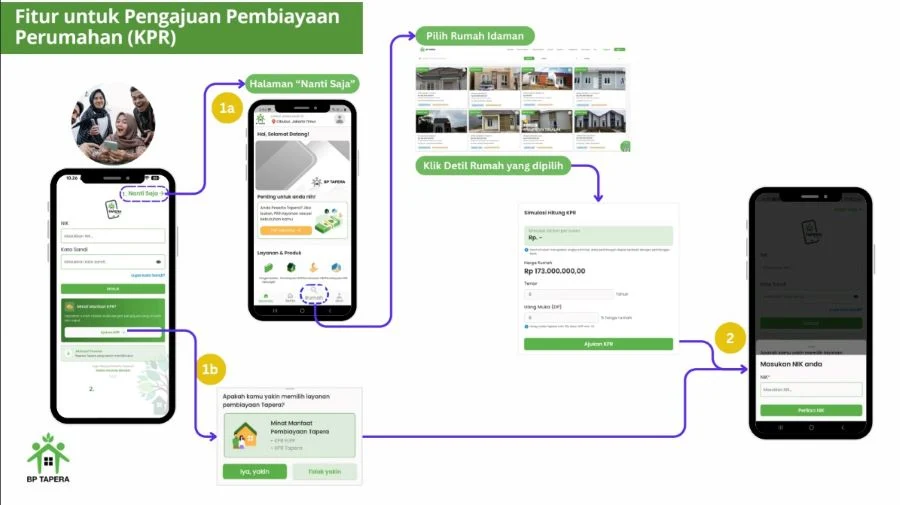
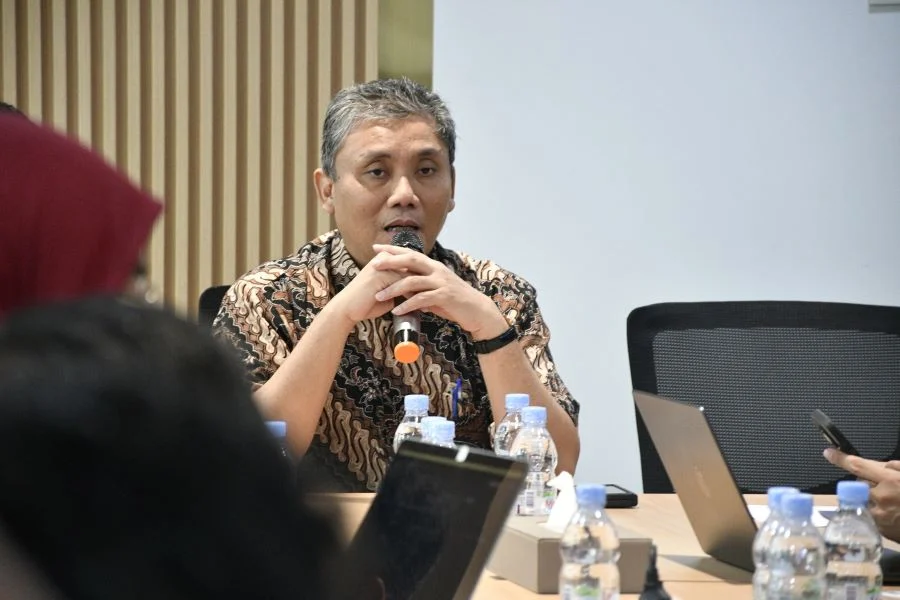
The latest high-level coordination meeting, spearheaded by BP Tapera Commissioner Heru Pudyo Nugroho alongside representatives from SIG and its technological subsidiary, Sinergi Informatika Semen Indonesia (SISI), focused on concrete technical frameworks. Key discussions centered on the integration of the government-backed national housing portal, rumah.go.id, with advanced digital solutions engineered by SISI. This technological convergence seeks to demolish bureaucratic silos, reduce information asymmetry in the property market, and establish a seamless end-to-end digital journey for individuals seeking subsidized and commercial housing solutions across the archipelago.
Chronology of the Strategic Digital Partnership
The pathway toward this comprehensive digital integration did not happen in a vacuum. It represents a systematic progression of public-private dialogues aimed at modernizing Indonesia’s housing finance architecture.
The initiative gained significant momentum as BP Tapera sought innovative ways to scale its operational reach beyond traditional administrative channels. Recognizing that manual processes and fragmented property listings act as friction points for low-to-medium-income earners attempting to secure housing finance, the agency initiated exploratory talks with SIG and SISI.
During the initial phase, leadership teams from BP Tapera and SISI mapped out the existing technological landscapes of both entities. While BP Tapera maintains authority over housing savings management and financing distribution, SISI brings robust enterprise software engineering capabilities and proven track records in property-tech deployment.
In the subsequent coordination forum held in Jakarta, discussions graduated from conceptual frameworks to practical system integration models. The parties evaluated how SISI’s technological scaffolding could augment the user experience on rumah.go.id. Rather than treating the platform as a static information repository, the stakeholders outlined a phased roadmap. This roadmap spans initial architectural design, formalizing cooperation via potential formal agreements, catalog development, rigorous backend system integration, User Acceptance Testing (UAT), and eventual nationwide deployment.
Technological Frameworks: From Embedded Catalogs to Mini App Storefronts
At the heart of the technical discussions between BP Tapera and SISI is the implementation of cutting-edge digital concepts designed to optimize user engagement. Foremost among these is the development of an "Embedded Catalog" architecture.
By leveraging Application Programming Interfaces (APIs) and Software Development Kits (SDKs), the collaborative framework aims to embed verified property catalogs directly into the rumah.go.id ecosystem. This modular approach allows real-time synchronization of housing inventories, pricing updates, and availability metrics straight from developers’ databases into the central portal.
Furthermore, technical teams are evaluating the feasibility of scaling these services toward a "Mini App Storefront" model. Such a configuration would enable users to access supplementary housing-related services—ranging from mortgage pre-qualification and construction estimates to notary checks and interior design consultations—within a single, unified digital interface.
Director of SISI, Achmad Tholcah, emphasized the company’s core competency in building adaptable digital solutions that integrate smoothly with existing enterprise operations. According to Achmad, SISI’s software philosophy dictates that applications should never operate in isolation. Instead, they must function as connective tissue within a broader industry ecosystem.
"SISI develops digital solutions that can seamlessly integrate with the existing systems and business processes of any organization. Software development is not merely intended to operate as a standalone application, but rather to support comprehensive integration with established ecosystems," Achmad stated during the forum.

Proven Track Records in Property-Tech Solutions
To substantiate the viability of the proposed integration with BP Tapera, SISI highlighted its extensive portfolio in digitalizing construction and real estate workflows. A prime example cited during the discussions is the evolution of "Sobat Bangun," a comprehensive digital platform initially created to bridge the gap between independent contractors and consumers requiring home construction or renovation services.
Over time, SISI systematically expanded the Sobat Bangun ecosystem to incorporate a vast network of stakeholders, including general contractors, property developers, building material suppliers, and end-consumers. Today, the platform functions as an all-encompassing marketplace supporting heavy civil works, structural renovations, raw material procurement, and direct access to pre-fabricated housing products.
In addition to Sobat Bangun, SISI shared valuable operational insights gained from its strategic partnership with Perum Perumnas, Indonesia’s state-owned national housing developer. Through this collaboration, SISI engineered digital sales channels that enabled Perumnas to market both newly launched housing complexes and remaining units from legacy developments directly to online consumers.
"Our previous deployments demonstrate how digital platforms can serve as highly efficient conduits, effectively matching housing supply with citizens actively in search of property," Achmad remarked, underlining the scalable nature of the technology slated for deployment with BP Tapera.
Ecosystem Synergy: Official Perspectives and Industry Implications
Addressing the broader implications of the partnership, BP Tapera Commissioner Heru Pudyo Nugroho underscored that institutional isolation is no longer viable in the modern property sector. Given the complexity of Indonesia’s housing market—characterized by a persistent backlog of millions of units and diverse demographic demands—solving the housing crisis requires synchronized action.
"BP Tapera holds a critical mandate within the housing finance ecosystem. However, in fulfilling this responsibility, we cannot operate in a silo. Robust collaboration with diverse stakeholders is mandatory to strengthen the broader housing ecosystem and ensure that the public gains unhindered access to decent housing," Heru stated.
Heru elaborated that a functioning housing ecosystem relies on a delicate balance of government policy oversight, banking liquidity, developer output, consumer purchasing power, service providers, and technological enablers. By injecting advanced digital tools into this equation, BP Tapera aims to remove informational barriers that traditionally disadvantage low-income earners.
"Digital transformation is a core pillar in our strategy to strengthen the housing ecosystem. It ensures that critical services and property information become easily accessible, transparent, and interconnected for all segments of society," he added.
Economic and Social Implications of Housing Digitalization
The collaboration between BP Tapera, SIG, and SISI arrives at a crucial juncture for the Indonesian economy. Real estate and construction sectors serve as major multipliers, driving employment across dozens of upstream and downstream industries, from cement manufacturing and logistics to interior design and financial services.
By modernizing the digital infrastructure underpinning public housing programs such as the Housing Financing Liquidity Facility (FLPP), the initiative addresses several structural bottlenecks:
- Transparency and Accountability: Centralizing verified property inventories through APIs reduces the risk of fraudulent listings and ensures that subsidized units are allocated strictly to eligible beneficiaries.
- Reduced Acquisition Friction: Prospective homeowners spend less time physically visiting multiple developers or navigating opaque bureaucratic procedures. Digital pre-screening accelerates mortgage approvals.
- Data-Driven Policy Formulation: Integrated platforms generate granular data regarding housing demand patterns, regional price sensitivities, and consumer preferences. This data allows policymakers to calibrate future housing developments more accurately.
- Financial Inclusion: Bridging technology providers with state financial administrators expands formal banking access to informal workers and rural populations who previously struggled to document their creditworthiness.
As the partnership transitions from preliminary coordination to formal architectural planning, market observers anticipate that the integration of rumah.go.id with SISI’s technological framework will establish a new benchmark for public-private synergy in Indonesia’s digital governance. Through sustained collaboration, BP Tapera and SIG are laying the groundwork for a transparent, highly efficient, and inclusive property market capable of meeting the shelter needs of future generations.