
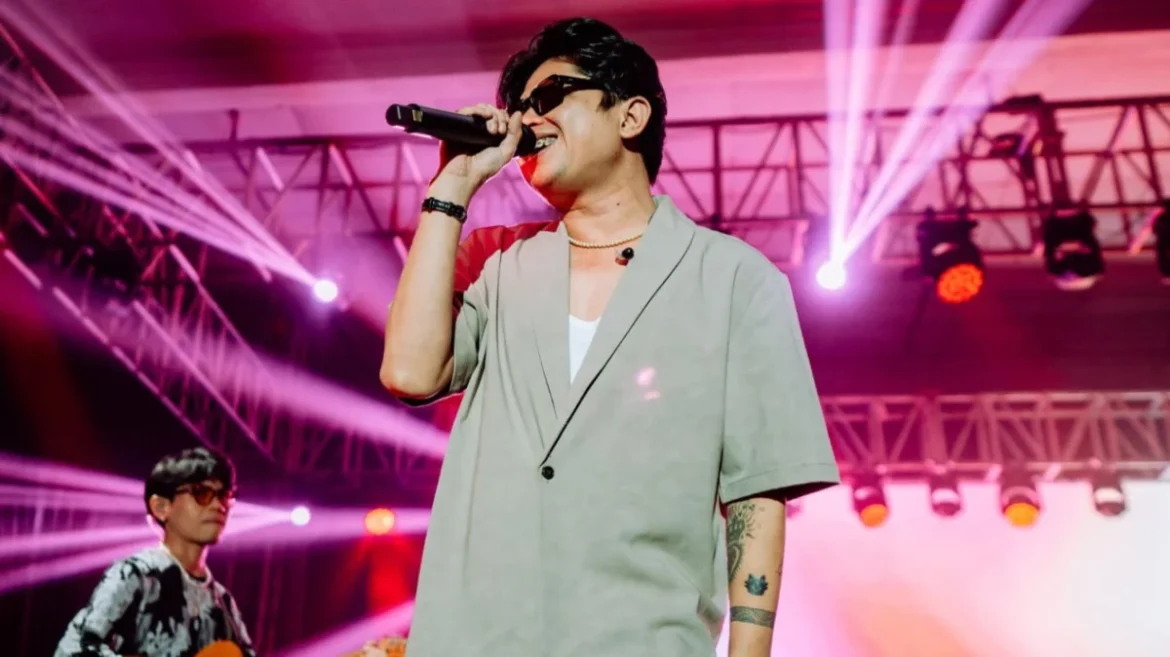
The Indonesian music industry has been gripped by a sudden and intense wave of public scrutiny following the cancellation of a high-profile performance by the band Juicy Luicy in Batam. What began as a logistical dispute regarding flight baggage and hospitality arrangements has rapidly spiraled into a broader investigation by social media users into the personal conduct and professional history of the band’s lead vocalist, Julian Kaisar, commonly known as Uan. As the incident at the XYZ Liveground festival continues to dominate online discourse, the narrative has shifted from an industry-standard contractual disagreement to a multifaceted controversy involving allegations of unprofessionalism and deeper, more serious claims regarding the lead singer’s past.
The Batam Incident: A Chronology of the Disruption
The focal point of the current controversy centers on the XYZ Liveground festival, scheduled for September 5, 2026, in Batam. Juicy Luicy, a band known for its atmospheric pop tracks and significant following among Indonesia’s youth, was slated as a headlining act. However, the performance did not materialize, leading to widespread disappointment among concertgoers and significant friction between the artist’s management and the event organizers.
According to reports, the breakdown in the performance agreement occurred on the day of the event. The situation escalated when Julian Kaisar took to social media, specifically via an Instagram live broadcast on September 10, 2026, to address the growing rumors regarding the cancellation. During the broadcast, which was subsequently amplified by various entertainment news outlets, Uan openly criticized the festival organizers. He cited a series of failures on the part of the production team, specifically pointing to inadequate hotel arrangements and a failure to settle logistics regarding musical equipment and baggage. "The hotel was only booked for a single day, and the baggage fees were not paid, even though everything was supposed to be settled in advance," Uan stated during the broadcast, using pointed language to describe the organizers’ competence.
Public Backlash and the Digital "Digging" Phenomenon
The fallout from the Instagram broadcast was swift. While some fans initially rallied behind the band, expressing frustration at the organizers for failing to provide adequate support for the performers, the tide of public opinion shifted rapidly. The combative tone used by Uan in his public explanation appears to have acted as a catalyst for a segment of the online community to scrutinize the band’s history.
Social media platforms, particularly Threads and X (formerly Twitter), became hubs for this retrospective analysis. Within hours of the Batam incident hitting the headlines, users began sharing anecdotal evidence and unverified claims regarding Uan’s behavior at previous events. One specific account on Threads, @su**aal, sparked a significant thread by claiming to have interviewed the band after a previous performance. The user alleged that Uan appeared to be in a highly intoxicated state, questioning his sobriety during professional engagements. "I had to interview them after they performed, and the vocalist was already completely ‘teler’ (heavily intoxicated). I wondered how many bottles he had consumed," the post claimed.
While such anecdotes are common in the entertainment industry, the viral nature of the current controversy has lent these claims a level of traction that they might otherwise lack. The discourse has moved beyond simple unprofessionalism, with some users calling for accountability regarding the band’s overall conduct.
Allegations of Past Misconduct
The situation intensified when the conversation shifted from the vocalist’s alleged drinking habits to more serious accusations. Several users began alluding to past controversies involving Uan that had surfaced long before the Batam incident. One post, which garnered significant attention, urged the public to look beyond the immediate dispute with the event organizers, labeling the vocalist as a "perpetrator" of sexual harassment.
This development represents a significant escalation in the crisis management challenge for the band. While these allegations remain unverified and lack formal legal confirmation or public statements from victims or law enforcement, the mere association of these claims with the current logistical crisis has created a "perfect storm" for the group’s public image. In the digital age, historical allegations are often "rediscovered" during moments of peak visibility, forcing public figures to navigate a crisis that is no longer limited to the original event but encompasses their entire professional and personal track record.
Industry Implications and Contractual Realities
The conflict between Juicy Luicy and the XYZ Liveground organizers highlights an ongoing tension within the Indonesian live music sector. Following the post-pandemic resurgence of music festivals, there has been a notable increase in clashes between artists and promoters. Industry analysts note that these disputes often stem from a lack of clarity in "riders"—the documents that outline the specific requirements for an artist’s performance, including travel, accommodation, and equipment transport.
When a breach of contract occurs, the optics of the situation are often dictated by who controls the narrative first. By taking to social media to call the organizers "incompetent," Uan effectively burned bridges with the specific promoters involved, but he also invited a level of public scrutiny that left him and his bandmates vulnerable. From a professional standpoint, the escalation of a logistical disagreement into a public character assassination attempt—from both the band’s side toward the promoters and the public’s side toward the vocalist—serves as a cautionary tale for artist management teams.
The Economics of Professionalism
Beyond the personal drama, the cancellation of a high-profile act like Juicy Luicy has real-world economic consequences. Music festivals rely heavily on ticket sales driven by headlining acts. When a band cancels, organizers face the administrative burden of refunds, potential lawsuits, and long-term damage to their brand reputation. Conversely, artists risk being labeled as "difficult" to work with, which can lead to a reduction in bookings and a cooling of relationships with regional event promoters.
The current situation involving Uan and the Batam event is indicative of a broader trend where the "cult of personality" surrounding lead singers can either bolster a band’s reputation or, as seen in this instance, become a significant liability. The band’s management is now tasked with not only resolving the immediate fallout of the Batam cancellation but also addressing the deeper reputational damage caused by the resurfacing of past allegations.
Looking Ahead: Crisis Management and Public Perception
As of September 11, 2026, the situation remains fluid. There has been no formal statement from the management of Juicy Luicy addressing the specific allegations of past misconduct or the claims regarding Uan’s sobriety at prior shows. The silence from the band’s official channels regarding the more serious allegations is a common, though often risky, crisis management strategy.
For fans, the situation presents a difficult divide. Many continue to support the band’s music, arguing that the logistical issues in Batam are a separate matter from the vocalist’s personal history. However, the growing volume of online voices demanding clarity on the allegations suggests that the band may eventually be forced to issue a comprehensive response to maintain their standing in the industry.
In the fast-paced world of social media, the "court of public opinion" often moves faster than formal investigations. The Batam incident serves as a stark reminder of how quickly a professional dispute can be transformed into a career-defining crisis. Whether the current allegations against Julian Kaisar will lead to long-term professional consequences or fade into the background remains to be seen. For now, the music industry watches closely, recognizing that the intersection of logistical failures and personal scandals can be a volatile combination for any performing artist.
The incident also underscores the critical need for clearer communication protocols and the importance of maintaining professional boundaries, even in an industry that prides itself on creative freedom and non-traditional working environments. As the discourse continues, the focus will likely remain on whether the band can successfully decouple their professional obligations from the mounting personal scrutiny currently being directed at their lead singer.
