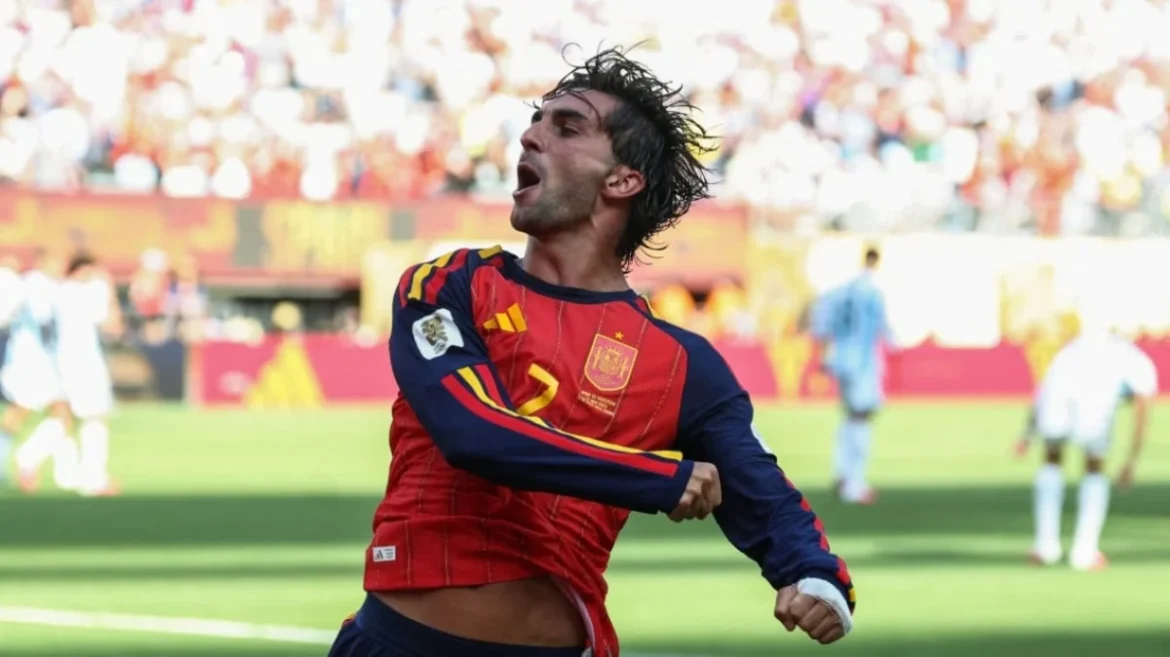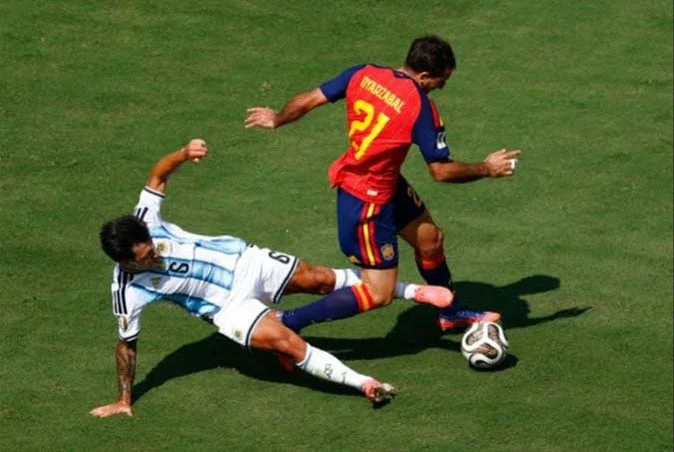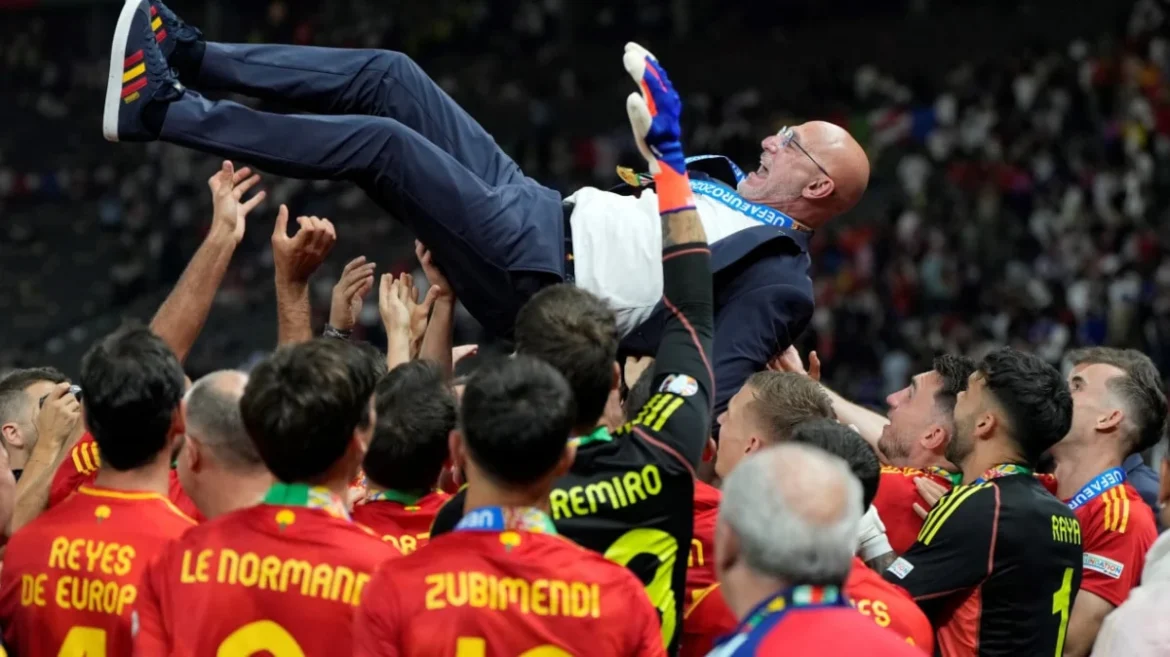
Spain has etched its name into football history once more, securing their second FIFA World Cup trophy after a hard-fought 1-0 extra-time victory over Argentina in a pulsating final held at MetLife Stadium in New Jersey, United States, on Monday, July 20, 2026. The decisive moment arrived in the 106th minute when Ferran Torres, the Manchester City forward, broke the deadlock, ending a captivating deadlock and shattering Argentinian hopes of consecutive titles. This triumph marks the end of a 16-year wait for La Furia Roja to reclaim football’s most coveted prize, last won in South Africa in 2010.
A Grueling Battle of Titans
The highly anticipated final, kicking off in the early hours of Monday local time, pitted two of football’s most decorated nations against each other in a tactical masterclass and a test of endurance. From the opening whistle, both teams exhibited a blend of cautious play and explosive attacking intent, understanding the immense stakes. Spain, under the astute guidance of head coach Luis de la Fuente, sought to control possession and patiently build attacks, utilizing their technically gifted midfielders to dictate the tempo. Argentina, known for their resilience and counter-attacking prowess, adopted a more pragmatic approach, aiming to absorb pressure and exploit spaces with rapid transitions, anchored by the formidable presence of goalkeeper Emiliano Martinez.
The first half was a tense affair, characterized by midfield skirmishes and moments of individual brilliance that failed to translate into clear-cut scoring opportunities. Spain created several half-chances, with efforts from Pedri and Gavi testing the Argentinian defense, but Martinez remained untroubled. Argentina, meanwhile, looked dangerous on the break, with their forwards making incisive runs, though Spain’s defensive line, marshaled by the experienced Aymeric Laporte, held firm. The deadlock persisted into the interval, setting the stage for an even more enthralling second half.
As the second half unfolded, the intensity ratcheted up considerably. Spain began to assert greater dominance, pushing higher up the pitch and unleashing a barrage of shots towards the Argentinian goal. It was during this period that Emiliano Martinez truly rose to the occasion, delivering a performance that will be remembered as one of the finest in a World Cup final despite his team’s eventual defeat. The Aston Villa shot-stopper made a string of miraculous saves, denying what appeared to be certain goals from Ferran Torres, Dani Olmo, and Marcos Llorente. His reflexes, positioning, and sheer determination kept Argentina in the game, frustrating the Spanish attack and fueling belief within the Albiceleste camp that they could weather the storm. De la Fuente would later lament Martinez’s heroics, stating, "Yes, I think we should have won this match much sooner. The brilliant saves from Dibu (Emiliano Martinez) prevented us from winning earlier, from putting us ahead on the scoreboard more convincingly."
Despite Spain’s relentless pressure, Argentina managed to carve out a couple of dangerous opportunities themselves, primarily through set-pieces and quick counter-attacks that forced Spanish goalkeeper Unai Simon into action. However, neither side could find the back of the net in regulation time, pushing the ultimate showdown into a grueling extra-time period, a scenario that often favors the team with greater stamina and mental fortitude.
Ferran Torres’ Moment of Glory
The additional thirty minutes began with both teams visibly fatigued but unwilling to concede. The stakes were palpable, with every pass, tackle, and sprint carrying immense weight. Spain continued to press, their persistence finally paying off in the 106th minute. A well-worked move down the right flank saw Nico Williams, a late substitute, deliver a pinpoint cross into the penalty area. Ferran Torres, demonstrating impeccable timing and predatory instinct, met the ball with a powerful header that flew past the outstretched arm of Martinez and into the net. The eruption from the Spanish contingent in the stands and on the pitch was instantaneous, a mixture of relief, joy, and triumph.
The goal galvanized Argentina, who, despite the setback, launched a desperate late surge in the remaining minutes of extra time. They threw everything forward, creating a chaotic finale, but Spain’s defense, fortified by the goal, held firm. The final whistle, when it eventually blew, was met with contrasting emotions: unbridled jubilation for Spain and heartbreaking despair for Argentina, who had fought valiantly but ultimately fallen short.
De la Fuente Hails a "Golden Generation"
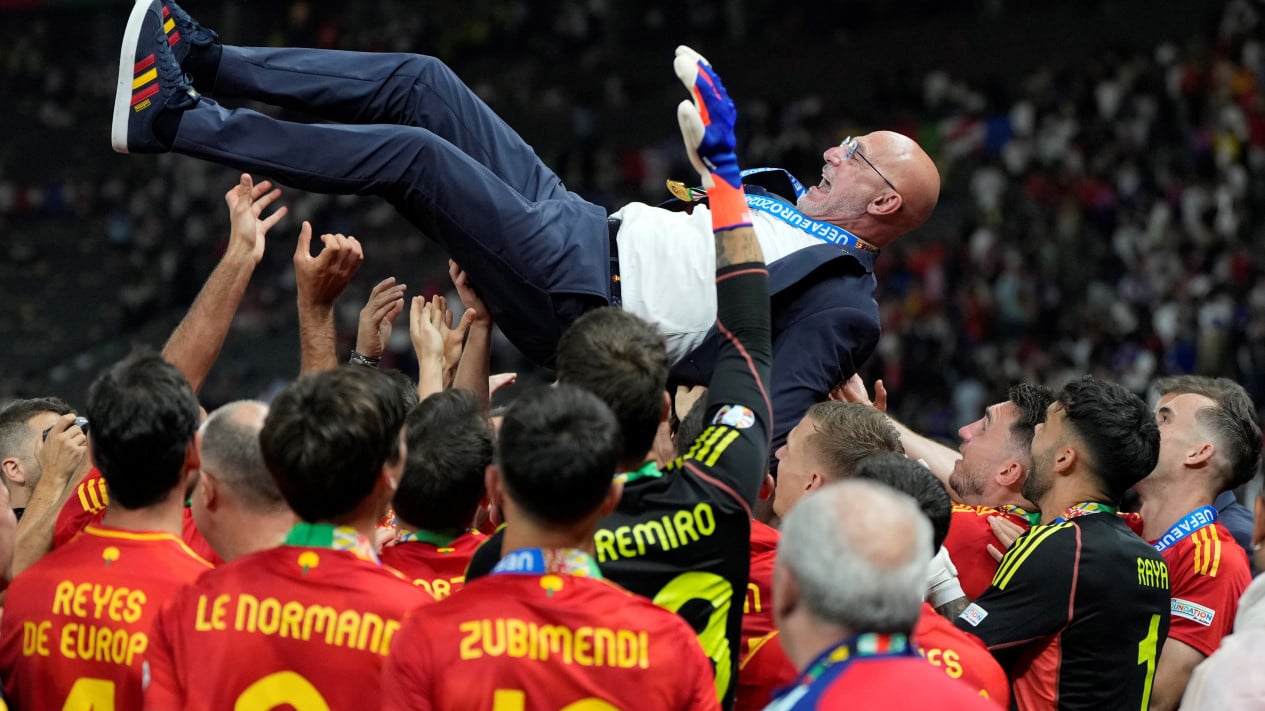
In the aftermath of the historic victory, a visibly emotional Luis de la Fuente lauded his players, emphasizing their quality, resilience, and unity. "And this is truly incredible with a generation of footballers who can be said repeatedly that they are an example for Spanish sport, for Spanish youth, and for Spain," De la Fuente stated in his post-match interview. "Together we are stronger, let no one doubt that." His words underscored the collective spirit that had propelled Spain through a challenging tournament and culminated in their second global title.
De la Fuente, a coach who has meticulously nurtured talent through Spain’s youth ranks before taking the senior helm, highlighted the unique character of his squad. He acknowledged the immense pressure of a World Cup final, irrespective of the opponent or the game’s flow. "But this is a World Cup final, and even with 10 players at the end of the game, you have to be ready to suffer," he added, referring to the mental and physical toll of such a high-stakes encounter. "However, because we ‘like’ to suffer, this is where we prove once again that we are ready to face anything." This mentality, he suggested, was crucial in overcoming a formidable Argentinian side and their indomitable goalkeeper.
Spain’s Road to Glory and Argentina’s Valiant Effort

Spain’s journey to the 2026 World Cup final was a testament to their evolving tactical philosophy and the depth of their squad. Emerging from a challenging group that included European rivals and ambitious African nations, La Furia Roja showcased a blend of their traditional tiki-taka possession-based football with a more direct and physically robust approach. Key victories in the knockout stages against formidable opponents demonstrated their adaptability and mental toughness. Players like Gavi, Pedri, Nico Williams, and Lamine Yamal, representing the vanguard of Spain’s new generation, combined seamlessly with experienced stalwarts such as Rodri and Laporte, creating a balanced and potent squad. Ferran Torres, often deployed as a wide forward or central striker, had been a consistent threat throughout the tournament, culminating in his decisive final goal.
Argentina’s path to the final was equally impressive, marked by defensive solidity and the brilliance of their individual talents. Having been strong contenders for a consecutive title, their journey through the group stage and knockout rounds showcased their enduring quality and tactical discipline. Their ability to grind out results, often relying on the defensive heroics of their backline and the extraordinary saves of Emiliano Martinez, had been a recurring theme. While their attack, even in a post-Messi era, remained potent, it was their defensive resilience that truly stood out, making them incredibly difficult to break down. The final was a brutal culmination of their efforts, where Martinez’s individual brilliance was nearly enough to secure another major trophy for the Albiceleste.
Historical Context and Broader Implications
This victory marks Spain’s second World Cup title, placing them in an elite group of nations with multiple global triumphs. Their first victory in 2010, secured by an Andrés Iniesta goal, heralded a golden era for Spanish football, which also saw them win back-to-back European Championships in 2008 and 2012. The 2026 triumph, 16 years later, signifies a resurgence and a successful generational transition, validating the long-term investment in youth development within Spanish football. It cements Luis de la Fuente’s legacy as a national hero, having guided his country to the pinnacle of the sport.
For Argentina, the defeat is a bitter pill to swallow, particularly after such a valiant effort and Martinez’s incredible performance. While the sting of losing a World Cup final is profound, their consistent presence at the sport’s highest level reaffirms their status as a global footballing powerhouse. The performance of their younger talents throughout the tournament suggests a bright future, even as they contend with the inevitable comparisons to previous generations. The emotional outpouring from their fans, while tinged with sadness, also reflected immense pride in their team’s fighting spirit.
The 2026 FIFA World Cup, co-hosted across the United States, Canada, and Mexico, was a landmark event, marking the first time the tournament was spread across three nations and featured an expanded format. The MetLife Stadium in New Jersey, a state-of-the-art venue, provided a magnificent backdrop for the final, showcasing the immense passion for football in North America. The success of the tournament, culminating in such a dramatic and high-quality final, further solidified football’s global appeal and its growing presence in host regions.
Looking ahead, Spain’s victory will undoubtedly inspire a new generation of footballers and fans within the country. It signals a strong foundation for future successes and reinforces the tactical principles championed by De la Fuente. For Argentina, the challenge will be to regroup and build on the experience, channeling their disappointment into renewed determination for upcoming continental and global competitions. The 2026 World Cup final will be remembered as a classic encounter, a testament to the beauty, drama, and unpredictable nature of the beautiful game, where fine margins ultimately decided the fate of the coveted golden trophy.