
The global transition toward a sustainable energy ecosystem has entered a critical juncture, placing unprecedented demands on modern infrastructure, particularly within the urban and architectural sectors. As nations worldwide grapple with the dual challenges of climate change and surging power consumption, industry leaders are increasingly looking toward advanced technological frameworks to reshape how energy is generated, transmitted, and consumed. In Jakarta, discussions surrounding the modernization of electrical grids have intensified, driven by ambitious national agendas and the imperative to integrate clean power sources seamlessly into existing urban fabrics. At the heart of this transformation lie three foundational pillars: electrification, digitization, and artificial intelligence. These integrated elements are no longer viewed merely as auxiliary tools, but as absolute prerequisites for modernizing national power grids, boosting overall operational reliability, and maximizing the efficacy of renewable energy utilization.

This strategic direction aligns closely with Indonesia’s overarching national roadmaps, notably the Electricity Supply Business Plan (Rencana Usaha Penyediaan Tenaga Listrik/RUPTL) established by state electricity company PLN for the 2025–2034 period. Under this comprehensive blueprint, Indonesia targets a massive expansion in its power generation capacity, aiming to add an impressive 69.5 gigawatts (GW). Within this ambitious projection, a substantial share—specifically 42.6 GW—is designated for new and renewable energy sources. Furthermore, the plan incorporates 10.3 GW of advanced energy storage systems designed to stabilize intermittent power supplies, alongside the construction of nearly 48,000 circuit-kilometers of new transmission network lines. Such staggering infrastructural growth underscores the urgency for a smarter, more resilient grid capable of handling complex power flows and decentralized generation points.

Addressing the Imperative of Grid Modernization at Enlit Asia 2026

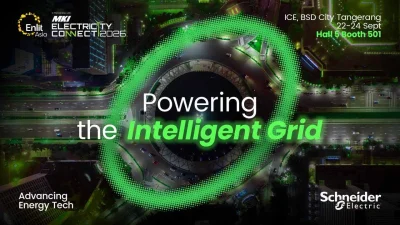
To meet these evolving infrastructural demands, industry innovators are stepping forward with cutting-edge solutions designed to future-proof power systems from the source to the end-user. A prominent example of this industry-wide mobilization is showcased by global energy technology leader Schneider Electric, which is participating in the upcoming Enlit Asia 2026 conference and exhibition. Scheduled to run from September 22 to 24, 2026, at the Indonesia Convention Exhibition (ICE) BSD City in Tangerang, the high-profile event centers around the theme "Powering the Intelligent Grid." The company’s exhibition pavilion is slated to feature live technology demonstrations and integrated solutions aimed directly at modernizing electrical infrastructure across three distinct operational segments: power generation, transmission, and distribution.

The first pillar focuses on advanced power generation technologies that facilitate more efficient, sustainable, and robust power systems capable of integrating variable renewable inputs without compromising baseline stability. The second pillar targets transmission networks, introducing fully digitalized solutions designed to elevate the reliability, physical resilience, and operational efficiency of high-voltage long-distance power lines. The third pillar concentrates on distribution, emphasizing the deployment of intelligent distribution networks that offer unprecedented visibility, operational flexibility, and optimized performance throughout the entire length of the electrical delivery chain. By synchronizing these three domains, stakeholders hope to eliminate traditional bottlenecks that have historically hindered the large-scale adoption of green energy.

Eliminating High-Risk Greenhouse Gases: The Shift Toward SF₆-Free Technology

Beyond broader grid architecture, a significant focal point of contemporary technological innovation involves phasing out environmentally hazardous materials historically embedded within electrical hardware. A prime illustration of this transition is the concerted industry movement away from sulfur hexafluoride (SF₆) gas in medium-voltage switchgear. For decades, SF₆ has been extensively utilized across electrical utility networks and large commercial buildings due to its exceptional dielectric properties and arc-quenching capabilities. However, despite its technical efficacy, SF₆ possesses a severe environmental drawback: it is recognized as one of the most potent greenhouse gases known to science, with a global warming potential approximately 24,300 times greater than that of carbon dioxide (CO₂). Furthermore, once released into the atmosphere, SF₆ molecules can persist for well over 3,000 years, compounding their long-term ecological impact.

In response to these grave environmental concerns, technology manufacturers are aggressively pivoting toward eco-friendly alternatives that eliminate the reliance on potent fluorinated gases entirely. Schneider Electric, for instance, has introduced pioneering medium-voltage switchgear lines—specifically the SM AirSeT and RM AirSeT series—which completely eschew SF₆ in favor of processed, purified air combined with advanced vacuum interruption technology. By utilizing pure ambient air as the insulating medium, these systems successfully eliminate the carbon footprint associated with traditional gas-insulated switchgear while maintaining the rigorous safety standards, compact footprints, and high operational reliability demanded by modern industrial and urban facilities.

Broader Industry Implications and Economic Impacts

The convergence of electrification, digital grid optimization, and SF₆-free hardware carries profound economic and environmental implications for Indonesia’s rapidly developing property and industrial sectors. As commercial real estate developers, industrial estate managers, and urban planners strive to align with national net-zero commitments, the adoption of intelligent, energy-efficient building systems becomes a vital competitive differentiator. Buildings equipped with smart distribution panels and automated energy management systems can dynamically balance loads, reduce peak energy demand, and seamlessly integrate rooftop solar installations or localized battery storage units.

Moreover, the transition toward intelligent grids directly supports the resilience of local microgrids within smart cities and industrial hubs, safeguarding critical operations against unexpected power disruptions. As government bodies continue to refine regulatory frameworks surrounding carbon emissions and energy efficiency in real estate, technologies that harmonize high performance with radical environmental stewardship will transition from optional upgrades to mandatory compliance standards. Through continuous stakeholder engagement, live technology showcases, and knowledge-sharing forums such as the specialized panel sessions and interactive workshops planned at Enlit Asia 2026, the industrial community is steadily paving a clear, actionable pathway toward a modern, highly reliable, and genuinely sustainable energy future.
