
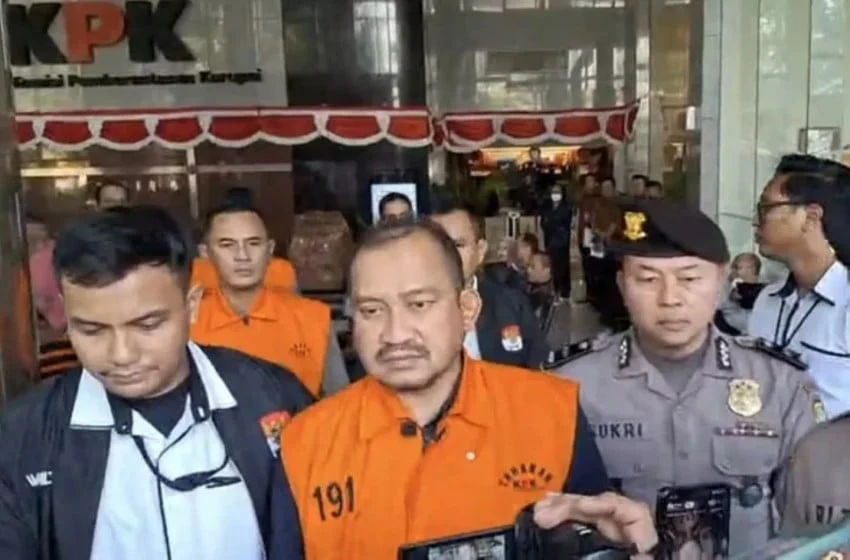
The Corruption Eradication Commission (KPK) concluded the interrogation of Noor Faizah Maenofie, the wife of the non-active Regent of Pemalang, Anom Widiyantoro, on Wednesday, September 9, 2026. The high-profile examination marks a significant expansion in the ongoing investigation into systemic extortion, bribery, and illicit enrichment within the Pemalang Regency administration. Investigators are zeroing in on the alleged manipulation of bureaucratic processes, specifically targeting the illicit trade surrounding civil servant appointments, rotations, and promotions.
The Scope of the Investigation
The summons of Noor Faizah Maenofie serves as a pivotal moment in the KPK’s broader strategy to dismantle the patronage network allegedly established by Anom Widiyantoro. According to KPK spokesperson Budi Prasetyo, the investigative team sought to clarify the extent of her knowledge regarding the internal mechanisms of the Pemalang Regency Government. Central to the inquiry are the financial transactions linked to the appointment of regional officials.
KPK investigators have identified a pattern of conduct wherein high-ranking positions within the local government were allegedly auctioned off to the highest bidder. This practice, known locally as "jual beli jabatan" (the buying and selling of offices), is suspected to have been a primary source of revenue for the regent’s inner circle. The commission is not only investigating the alleged extortion of civil servants but is also scrutinizing the involvement of private sector entities that may have acted as intermediaries or beneficiaries of these illicit arrangements.
Contextualizing the Pemalang Corruption Scandal
The case against Anom Widiyantoro originated from a series of intelligence reports and subsequent sting operations conducted by the KPK. The regent was apprehended in a "tangan tertangkap" (caught-in-the-act) operation, a hallmark of the KPK’s enforcement capabilities, which initially brought to light the immediate evidence of bribery.
The broader investigation is being prosecuted under the provisions of the Corruption Eradication Law, specifically targeting violations of Article 12(e), which pertains to extortion by a public official. However, as the investigation has deepened, the KPK has signaled that the charges may expand to include money laundering and organized graft. The involvement of family members in such cases is often examined by the commission to determine if assets derived from corruption were funneled through private accounts or invested in businesses managed by spouses or relatives.
Chronology of Events
The unraveling of the Pemalang administration’s alleged corrupt practices follows a documented timeline:
- Initial Intelligence Gathering (Early 2026): The KPK began receiving multiple reports from whistleblowers within the Pemalang Regency government regarding the systematic requirement for "contributions" in exchange for career advancement.
- The Sting Operation: In mid-2026, the KPK executed a coordinated operation in Pemalang, leading to the apprehension of the Regent and several key subordinates. Physical evidence, including ledgers and cash, was seized, providing a blueprint of the alleged illicit network.
- Expansion of the Case: Following the initial arrests, the KPK began cross-referencing financial records with the employment history of various civil servants in the regency, identifying a correlation between substantial payments and favorable job placements.
- September 2026 Questioning: The interrogation of Noor Faizah Maenofie signifies the commission’s move to examine the domestic and potential financial nexus surrounding the regent’s activities.
Analysis of Bureaucratic Corruption
The phenomenon of selling civil service positions is a pervasive issue in regional governance across Indonesia. It undermines the meritocratic foundation of the bureaucracy, leading to a decline in public service quality and the installation of incompetent officials whose primary loyalty lies with the individuals who facilitated their appointment rather than the public they are meant to serve.
From an economic perspective, this type of corruption acts as a "hidden tax" on public sector employment. When civil servants must pay a bribe to secure a promotion, they are incentivized to recover those costs through further corruption once in office, creating a self-perpetuating cycle of graft that hollows out local government budgets.
The KPK’s focus on the wife of the regent is a standard investigative procedure in high-level corruption cases. By examining the financial flows between the regent’s official duties and his private life, the commission aims to determine if there was a "family enterprise" model of corruption. This approach has been successful in past cases, such as those involving former regents in various provinces across Java and Sumatra.
Legal Implications and Official Stance
The KPK has remained firm in its commitment to following the evidence wherever it leads. Budi Prasetyo emphasized that the investigation into the extortion of civil servants is inextricably linked to the broader structure of the regency’s administration.
"We are looking at a system where the recruitment and movement of officials were treated as a commodity," Prasetyo stated. "The involvement of parties outside the formal government structure, including family members or private business associates, is something we must verify to ensure that the recovery of state losses is comprehensive."
For the accused, the legal stakes are high. Convictions for extortion by public officials carry significant prison sentences and heavy fines, along with the potential for the confiscation of assets through the state’s asset recovery mechanisms. Furthermore, the political fallout in Pemalang has been significant, with the local government currently undergoing a period of instability and administrative reform following the removal of its top leader.
Broader Impact on Regional Governance
The Pemalang case serves as a cautionary tale for regional administrations throughout Indonesia. It highlights the vulnerability of the bureaucratic promotion system to executive overreach. Independent observers have noted that without systemic reform—such as the digitization of recruitment processes and the strengthening of internal oversight bodies—regencies remain susceptible to the influence of "political dynasties" or corrupt individuals who view public office as a means of private gain.
The KPK’s decision to pursue testimony from family members suggests that the commission is looking beyond the immediate evidence of the sting operation to uncover the full history of the corruption. This comprehensive approach is designed to ensure that those who acted as enablers or beneficiaries of the corruption are held accountable, regardless of their official standing.
Future Developments
As the investigation continues, the public and legal experts will be watching for the potential filing of additional charges against Anom Widiyantoro and his associates. The testimony provided by Noor Faizah Maenofie will be analyzed by the investigative team to determine if further summons are necessary for other individuals within the regent’s inner circle.
The KPK has indicated that it will release further findings as the case moves closer to the prosecution phase. For now, the focus remains on forensic accounting and the verification of witness statements to ensure that the evidence is robust enough to withstand the scrutiny of the Anti-Corruption Court.
The case of Pemalang is a stark reminder of the challenges inherent in decentralized governance. While decentralization was intended to bring government closer to the people, it has, in some instances, created "little kings" who operate with limited oversight. The KPK’s intervention in Pemalang is a vital component of the national effort to re-establish the rule of law and protect the integrity of regional administration.
As the proceedings unfold, the focus will remain on the transparency of the judicial process. The public expects that the KPK will provide a thorough accounting of how the Pemalang Regency’s resources were misused and that justice will be served in a manner that deters future misconduct by public officials and their associates. The outcome of this case will undoubtedly set a precedent for how the KPK handles similar investigations in the future, particularly regarding the investigation of family members of high-ranking regional officials.
