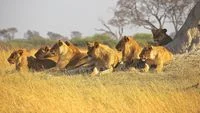
The discovery of ten deceased lions within the Ngorongoro Conservation Area in northern Tanzania has sent shockwaves through the global conservation community, marking a significant blow to the preservation of Africa’s iconic apex predators. The carcasses were located on September 18 in the Ndutu region, situated within the Endulen District of the Arusha Region. Preliminary investigations conducted by the Ngorongoro Conservation Area Authority (NCAA) suggest that the pride perished after consuming lethal toxins, raising urgent questions about the escalating conflict between human communities and wildlife in one of the world’s most protected ecosystems.
Chronology of the Discovery
The incident was officially reported over the weekend, with authorities confirming the grim discovery during a routine patrol of the Ndutu plains. According to official reports, the pride was found clustered in a remote section of the reserve, a primary habitat known for its high density of migratory wildlife and predator populations.
While the exact nature of the toxin has not yet been publicly disclosed, the NCAA has mobilized a forensic team to conduct toxicology screenings. The initial assessment, corroborated by field observations, points toward secondary poisoning—a practice where pesticides or toxic chemicals are intentionally applied to livestock carcasses to eliminate predators that threaten local herds. By Sunday, September 20, the NCAA issued a formal statement to international news agencies, confirming that a comprehensive investigation is underway to identify the perpetrators and establish the precise timeline of the poisoning event.
The Ngorongoro Context: A World Heritage Under Siege
The Ngorongoro Conservation Area is not merely a wildlife park; it is a UNESCO World Heritage site and one of Africa’s most vital biodiversity hotspots. Covering approximately 8,292 square kilometers, the caldera and its surrounding plains are home to the "Big Five" and serve as a crucial refuge for the critically endangered black rhinoceros.
The loss of ten lions—a substantial portion of a local pride—represents a significant ecological loss. In conservation terms, a pride is a social unit that facilitates hunting and cub-rearing; the sudden death of ten individuals destabilizes the local population structure. This incident highlights the fragility of the "multiple land-use" model practiced in Ngorongoro, where indigenous pastoralist communities live alongside wildlife. While this model is often praised for its attempt at sustainable coexistence, it remains highly vulnerable to the pressures of human encroachment and the diminishing availability of natural prey.
The Escalating Crisis of Human-Wildlife Conflict
The poisoning of predators is an unfortunate, recurring theme across East Africa. Experts in wildlife management point to the rising tension between livestock owners and wild carnivores as the primary driver. As human populations expand and grazing lands for cattle, sheep, and goats overlap with traditional lion hunting grounds, the frequency of predation on livestock increases.
When a lion attacks a cow or goat, the economic impact on the local pastoralist family can be devastating. In the absence of robust compensation programs or effective livestock-protection infrastructure, some individuals resort to illegal, lethal methods. Pesticides such as carbofurans or other agrochemicals are often readily available in local markets, making them the weapon of choice for those seeking to retaliate against predators.
"The tragedy is that this is a cycle of destruction," says an independent conservation analyst familiar with the region. "Poisoning is indiscriminate. When a carcass is laced, it doesn’t just kill the target lion; it kills vultures, hyenas, jackals, and other scavengers that form the backbone of the ecosystem’s health. It is an ecological disaster that ripples far beyond the immediate pride."
Data and Trends in Predator Conservation
Data from the International Union for Conservation of Nature (IUCN) indicates that the lion population across Africa has plummeted by roughly 43% over the last two decades. While habitat loss and loss of prey base are the leading causes, retaliatory killing through poisoning has become an increasingly severe threat.
In Kenya, just across the border, authorities are currently managing the aftermath of a separate incident involving the deaths of 18 elephants. The proximity of these events—occurring within the same month—has sparked concerns about a regional surge in wildlife crimes. While the Kenyan case involved different circumstances, the common thread is the increasing volatility of human-wildlife interfaces in the East African savannah.
Official Responses and Legal Implications
The Tanzanian government, through the NCAA and the Ministry of Natural Resources and Tourism, has pledged a "zero-tolerance" approach to those responsible for the poisoning. Under the Wildlife Conservation Act of Tanzania, the killing of protected species carries severe penalties, including heavy fines and lengthy prison sentences.
"We are currently working with local community leaders in the Endulen area to gain intelligence," stated a spokesperson for the conservation authority. "The goal is not only to prosecute the individuals responsible for this specific event but to engage in a broader dialogue to prevent future recurrences. We need to bridge the gap between the needs of the pastoralist community and the protection of our natural heritage."
Conservationists are calling for the implementation of stronger deterrents, such as the use of predator-proof enclosures (bomas) and improved community insurance schemes that compensate farmers for livestock losses. These programs have proven successful in parts of the Serengeti, where they have significantly reduced the incentive for retaliatory poisoning.
Broader Implications for Tourism and Economy
Beyond the ecological impact, the deaths of these lions pose a long-term risk to Tanzania’s tourism industry. Ngorongoro is a crown jewel of the nation’s tourism sector, attracting hundreds of thousands of visitors annually who come specifically to view these predators in their natural habitat.
Tourism contributes significantly to Tanzania’s GDP, and the reputation of its conservation efforts is a key factor in attracting international visitors. If wildlife becomes scarce or if the image of the park is marred by reports of systematic poisoning, the economic fallout could be substantial. The local communities themselves benefit from the tourism economy, creating a paradox where the very actions intended to protect their livelihoods—killing predators—may ultimately threaten the industry that provides them with alternative income streams.
Looking Ahead: A Call for Integrated Management
As the investigation into the Ngorongoro incident continues, the focus must shift toward long-term systemic change. The event serves as a stark reminder that conservation is not merely a scientific endeavor but a complex socio-economic challenge.
Moving forward, stakeholders are emphasizing the need for:
- Community Engagement: Increasing the presence of wildlife scouts and mediators within the Endulen district to facilitate early warnings and conflict resolution.
- Technological Solutions: Utilizing GPS tracking collars on known pride members to monitor their movements relative to cattle grazing zones, allowing for proactive alerts.
- Forensic Capacity: Strengthening the ability of local authorities to conduct rapid toxicology testing to ensure that culprits are brought to justice more efficiently.
- Economic Incentives: Expanding "predator-friendly" certification for local livestock products, which could provide a financial premium to farmers who demonstrate that they have not used poison on their land.
The ten lions of Ngorongoro have become a tragic symbol of the fragility of the wild. While the immediate focus remains on identifying the perpetrators, the broader narrative underscores the urgent need for a more harmonious integration of human life and wilderness. As Tanzania navigates this difficult chapter, the outcome of the ongoing investigation will be closely watched by international observers, serving as a litmus test for the country’s commitment to protecting its most iconic species in an increasingly crowded world. The resilience of the Ngorongoro ecosystem will depend not just on legal enforcement, but on the ability of the authorities to foster a culture of stewardship among those who share the land with these apex predators.