The recent resurgence of public discourse surrounding pernikahan siri, or unregistered marriages, in Indonesia, particularly amplified by a high-profile celebrity case involving alleged abandonment of a wife and newborn, underscores a critical societal and legal dilemma. While such unions are often considered valid under religious tenets, their lack of official state registration renders them devoid of legal standing, creating a precarious situation for the parties involved, especially women and children. This nuanced issue brings to the fore the inherent conflict between religious adherence and state-mandated legal frameworks, with far-reaching implications for fundamental rights and social welfare.
Defining Nikah Siri: Unregistered Marriages in Indonesia
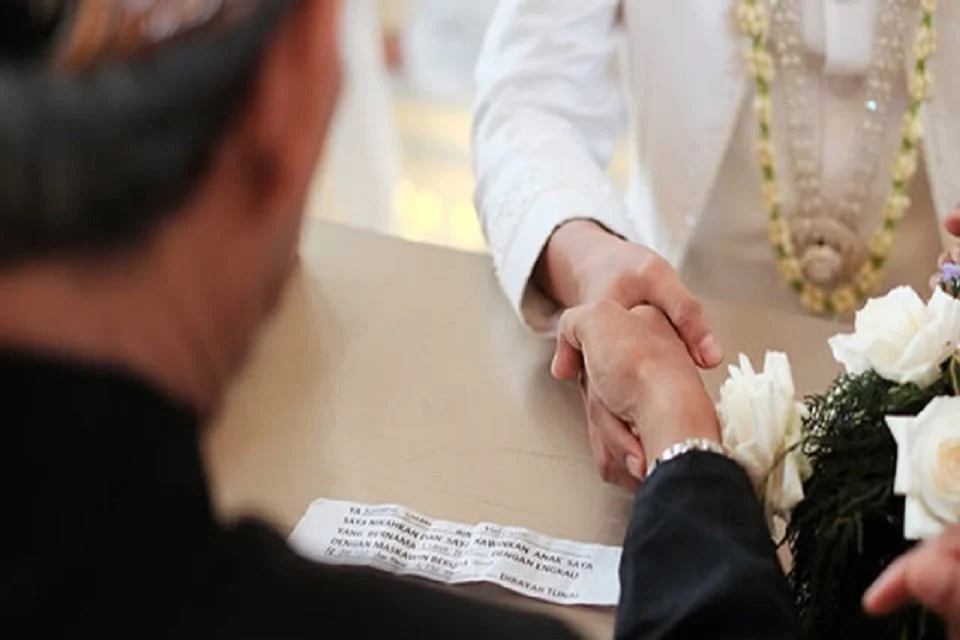
At its core, nikah siri refers to a marriage ceremony performed according to Islamic law (or other religious laws) but without the subsequent formal registration required by the Indonesian state. The term "siri" itself, derived from Arabic, implies secrecy or privacy, though not all nikah siri are conducted in absolute secrecy. Typically, these marriages involve an akad nikah (marriage contract ceremony) with a wali (guardian for the bride), two witnesses, and a mahar (dowry), often presided over by a religious leader (ustaz or kyai) outside the purview of the official state marriage registration office, the Kantor Urusan Agama (KUA) for Muslims, or the Civil Registry Office for non-Muslims. From a purely religious perspective, as long as the prescribed conditions and pillars of marriage are met, the union is considered religiously legitimate. However, this religious validity does not automatically translate into legal recognition or protection under Indonesian civil law.
The Legal Framework: Mandate for State Registration
Indonesia’s legal framework for marriage is primarily governed by Law Number 1 Year 1974 concerning Marriage (Undang-Undang Perkawinan, or UUP), which was later amended by Law Number 16 Year 2019, primarily to raise the minimum age for marriage. Article 2 of the UUP stipulates two fundamental requirements for a marriage to be considered valid: first, it must be performed according to the laws of each religion and belief; and second, it must be registered according to the prevailing laws and regulations. This dual requirement is crucial. While religious validity satisfies the spiritual aspect, state registration ensures that the marriage has legal force and that the rights and obligations arising from it are protected by law.
For Muslim couples, the Compilation of Islamic Law (Kompilasi Hukum Islam, or KHI), enacted through Presidential Instruction Number 1 Year 1991, further elaborates on marriage, divorce, and inheritance matters. Article 6 of the KHI explicitly states that a marriage without registration "does not have legal force." This provision is a cornerstone in understanding the state’s position: without official documentation, the marriage is, in the eyes of the law, non-existent. This absence of legal force directly leads to a significant void in the recognition and protection of the rights of the wife and children born from such unions. The state’s rationale for mandating registration is deeply rooted in principles of legal certainty, protection of fundamental rights, and the maintenance of public order, including accurate demographic records.
Historical and Societal Context: Understanding the Persistence of Unregistered Marriages
The phenomenon of nikah siri is not new; it predates the 1974 Marriage Law. Historically, many marriages, especially in rural areas, were performed solely according to religious or customary practices without formal state recording. The 1974 UUP aimed to standardize marriage procedures, provide legal certainty, and, most importantly, protect the rights of women and children who were often vulnerable in unregistered unions. The subsequent KHI further solidified these protections for Muslim families.
Despite these legal frameworks, nikah siri persists due to a complex interplay of socio-economic, cultural, and individual factors. Some of the common reasons include:
- Avoiding Administrative Hurdles: The formal registration process can sometimes be perceived as cumbersome, involving bureaucratic steps and fees, especially for individuals in remote areas or those with incomplete administrative documents.
- Polygamy without Legal Consent: The UUP sets strict conditions for polygamy, requiring permission from the first wife and a court order. Nikah siri allows men to circumvent these legal requirements, entering into subsequent marriages without the knowledge or consent of their existing legal wives, thereby exploiting a loophole.
- Underage Marriage: While the legal marriage age is 19 for both men and women (as per Law No. 16/2019), nikah siri is sometimes used to legitimize unions involving minors who cannot legally register their marriage, often driven by cultural practices or socio-economic pressures.
- Privacy and Simplicity: Some couples prefer a simpler, private ceremony, perhaps to avoid elaborate wedding expenses or public scrutiny, especially if one or both parties have been previously married.
- Financial Constraints: The cost associated with a formal wedding and registration can be prohibitive for some, leading them to opt for a religiously valid but unregistered ceremony.
- Personal Beliefs: A minority of individuals might believe that only religious validation is necessary, viewing state registration as an unnecessary worldly formality.
- Social Stigma: In some cases, couples who are unable to marry legally (e.g., due to familial opposition or perceived social disparities) might resort to nikah siri to avoid social stigma associated with unmarried cohabitation while adhering to religious norms.
These underlying factors highlight the deep-seated challenges in fully eradicating nikah siri, making it a persistent concern for policymakers and legal reformers.
Profound Legal and Social Consequences: Acknowledging the Vulnerabilities
The most significant consequence of nikah siri is the complete absence of legal protection for the wife and children. This legal void creates immense vulnerability and disenfranchisement, especially in cases of marital dispute, separation, or death of the husband.
Impact on Wives: Disenfranchisement of Rights
A woman in an unregistered marriage faces severe disadvantages:
- No Marital Property Rights: In a legal divorce, a wife is typically entitled to a share of the jointly acquired marital property (harta gono-gini). In nikah siri, she has no legal basis to claim such assets, potentially leaving her destitute after separation.
- No Inheritance Rights: If the husband dies, the siri wife cannot legally claim her share of inheritance, as her marital status is not recognized by the state.
- No Spousal Support: She cannot legally demand nafkah iddah (maintenance during the waiting period after divorce) or mut’ah (consolatory gift), which are standard provisions in legal divorces.
- Difficulty in Official Documentation: Proving her marital status for various official purposes, such as obtaining a family card, passport, healthcare benefits, or insurance, becomes exceedingly difficult, if not impossible. This can severely limit her access to public services and economic opportunities.
- Vulnerability to Abandonment: Without legal recourse, a siri wife is highly vulnerable to abandonment, as the husband bears no legal obligation to provide for her or the children once he decides to leave the union.
Impact on Children: Challenges to Identity and Welfare
Children born from nikah siri face even more profound challenges, affecting their identity, legal status, and future prospects:
- Birth Certificate Issues: Children are often registered as "children born out of wedlock" or only under the mother’s name, as the father’s legal paternity cannot be established without a registered marriage. This can carry social stigma.
- Inheritance Rights: Like the mother, children from nikah siri may face significant hurdles in claiming inheritance from their biological father, as their legal relationship is not recognized.
- Parental Recognition and Support: Legally, the father may not be obligated to provide child support (nafkah anak). Establishing paternity and enforcing support requires complex legal procedures, such as itsbat nasab (paternity validation), which are often lengthy and costly.
- Access to State Services: Difficulties in obtaining accurate birth certificates and family cards can impede access to crucial public services like education, healthcare, and social welfare programs.
- Social Stigma: Children may endure social stigma due to their ambiguous legal status, affecting their psychological well-being and integration into society.
Navigating Dissolution: Pathways for Unregistered Marriages
The process of dissolving an unregistered marriage is fraught with legal complexities, as state institutions cannot directly intervene to protect rights without prior legal recognition of the marriage itself. Ustazah Jauharatu Nabilah, a scholar in Tafsir and Sirah Nabawiyah, highlights the specific challenges and available avenues.
Religious Divorce Procedures
From an Islamic perspective, if a marriage becomes unsustainable, the wife has the right to request a divorce. This can be done by sending a representative to the husband to convey her desire for divorce (talak). If the husband agrees, he pronounces the talak, and the marriage is religiously dissolved. Following this, the wife must observe an iddah (waiting period), typically three menstrual cycles, before she is eligible to marry another man. Should the husband refuse to grant the divorce, the wife may initiate khulu’, where she offers compensation to the husband in exchange for him pronouncing talak. However, these religious procedures, while valid in faith, still do not provide legal recognition or enforcement of rights in the eyes of the state.
The Legal Path: Itsbat Nikah (Marriage Validation)
To obtain any form of legal protection or enforce rights arising from an unregistered marriage, the primary legal recourse is itsbat nikah, or marriage validation. This is a petition filed with the Religious Court (Pengadilan Agama) to declare the siri marriage legally valid ex tunc (from the beginning). It is crucial to note that itsbat nikah can only be conducted through the Religious Court, not the KUA, which is solely for marriage registration.
Who can file itsbat nikah?
- The husband or wife of the unregistered marriage.
- Children born from the unregistered marriage, particularly for purposes of inheritance or establishing legal paternity.
- Other interested third parties with a legitimate legal interest.
Grounds for itsbat nikah:
- Loss of the original marriage certificate.
- Doubt regarding the validity of a marriage.
- Marriages performed before the enactment of the 1974 Marriage Law.
- Marriages performed under specific customary laws that were not formally registered.
- And, most commonly, unregistered marriages (nikah siri) that were performed according to religious law but lacked state registration.
The Process:
The petitioner must submit a formal application to the Religious Court, providing evidence that the marriage was conducted according to religious law. This typically includes testimonies from witnesses who attended the akad nikah, religious leaders who officiated, and any existing informal marriage contracts. If the court finds sufficient evidence that the marriage met all religious requirements, it will issue a decree validating the marriage. Once the itsbat nikah decree is issued, the marriage is legally recognized. This legal recognition then opens the door for subsequent legal actions, such as filing for a legal divorce, claiming marital property, establishing child paternity, or asserting inheritance rights. The process, however, can be time-consuming, emotionally draining, and financially burdensome, especially if one party is uncooperative.
The Role of Arbitration (Hakam) and Legal Counsel
Another method for resolving disputes in unregistered marriages, particularly if the husband refuses divorce, is through the appointment of hakam (arbitrators). As per Surah An-Nisa [4]:35 of the Quran, "And if you fear a breach between them, appoint an arbitrator from his people and an arbitrator from her people. If they both desire reconciliation, Allah will cause it between them. Indeed, Allah is ever Knowing and Acquainted." This Islamic principle encourages mediation and reconciliation through representatives from both families.
While hakam can be effective in reaching a religious or ethical resolution, its direct legal enforceability without prior itsbat nikah is limited. In practice, legal professionals, particularly lawyers specializing in family law, often play a crucial role. They can facilitate the itsbat nikah process, represent clients in court, negotiate settlements, and ensure that any subsequent divorce or rights assertions are handled according to the validated legal status. Lawyers can guide the parties through the complex legal maze, from validating the marriage to formalizing a divorce and securing the rights of the wife and children, acting as the "wakil" (representative) mentioned by Ustazah Nabilah.
Stakeholder Perspectives and Reactions
The issue of nikah siri garners diverse reactions from various stakeholders, reflecting the multifaceted nature of the problem.
Government and Legal Authorities: Upholding State Protections
The Indonesian government and legal authorities consistently advocate against nikah siri, emphasizing the paramount importance of state registration for all marriages. Their stance is rooted in the commitment to protecting citizens’ rights, particularly those of women and children, who are most vulnerable in unregistered unions. Officials often stress that legal registration is not merely a bureaucratic formality but a fundamental safeguard against exploitation, abandonment, and the denial of basic rights. There have been ongoing efforts to simplify marriage registration processes and raise public awareness about the legal consequences of unregistered marriages. The state views nikah siri as undermining the legal certainty and social order that the marriage law was designed to establish.
Religious Scholars and Institutions: Balancing Faith and Law
Most mainstream religious scholars (ulama) and Islamic institutions in Indonesia acknowledge the religious validity of nikah siri if performed according to Islamic tenets. However, they also strongly advise and often insist on the importance of state registration. They highlight that while the religious aspect secures the spiritual bond, state registration provides legal and social protection, ensuring the welfare of the family unit in a modern legal state. They often preach that fulfilling civic duties, including legal registration, is also an important aspect of a responsible Muslim life. Some religious bodies have actively participated in public awareness campaigns to educate communities about the benefits of registered marriages and the risks associated with unregistered ones.
Women’s Rights Organizations: Advocating for Vulnerable Parties
Women’s rights organizations and activists are among the most vocal critics of nikah siri. They consistently highlight how this practice disproportionately impacts women, rendering them legally invisible and highly susceptible to abandonment, polygamy without consent, and financial destitution. These organizations advocate for stronger legal enforcement, simplified and accessible marriage registration, and comprehensive public education campaigns, especially targeting rural and vulnerable communities. They also push for legal reforms that might offer more direct protection to women and children in siri marriages without necessarily validating the marriage itself, focusing on their human rights. They view nikah siri as a significant barrier to gender equality and women’s empowerment.
Public Discourse: Acknowledging the Social Debate
Public opinion on nikah siri is often divided. While many recognize the inherent risks, particularly when high-profile cases expose the vulnerabilities, some segments of society continue to accept or even condone the practice for various reasons, as discussed earlier. Celebrity cases, like the one that triggered the current discussion, play a crucial role in bringing the issue to national attention, sparking debates on social media, news outlets, and within families. These discussions often oscillate between religious freedom, individual choice, and the imperative of legal protection, reflecting the complex moral and ethical dimensions of the issue within Indonesian society.
Broader Implications and Future Directions
The continued prevalence of nikah siri has broader implications for legal certainty, social cohesion, and the effectiveness of state policies.
Challenges to Legal Certainty and Social Order
Unregistered marriages create ambiguity in legal status, leading to protracted disputes over property, inheritance, and child custody. This not only burdens the judicial system but also erodes public trust in legal institutions. Furthermore, the lack of accurate data on unregistered marriages complicates demographic planning and the implementation of social welfare programs, as a significant portion of the population remains outside official records. It challenges the state’s ability to maintain a comprehensive and accurate civil registry.
Calls for Enhanced Awareness and Policy Adjustments
To address the issue effectively, continuous and robust public awareness campaigns are essential. These campaigns should clearly articulate the legal implications of nikah siri and emphasize the benefits of registered marriages for the entire family. Beyond awareness, policy adjustments could also be explored, such as further simplifying the marriage registration process, reducing associated costs, or offering legal aid for itsbat nikah processes for economically disadvantaged individuals. Some legal scholars have also debated the possibility of introducing a specific legal framework to protect the immediate rights of children born from siri marriages, even if the marriage itself remains unregistered, to mitigate the severe consequences they face.
Conclusion: Reaffirming the Imperative of Legal Recognition
The phenomenon of nikah siri in Indonesia remains a poignant illustration of the intricate relationship between religious practice and state law. While religiously valid, the absence of state registration strips these unions of legal force, leaving wives and children in a perilous state of vulnerability, particularly concerning their fundamental rights to property, inheritance, and identity. The itsbat nikah process offers a vital, albeit challenging, legal pathway to rectify this imbalance, providing a means for individuals to retroactively validate their marriages and assert their rights. As high-profile cases continue to highlight the human cost of unregistered unions, the imperative for sustained public education, accessible legal avenues, and continuous dialogue among all stakeholders—government, religious leaders, and civil society—becomes ever more critical. Ultimately, ensuring that every marriage is not only religiously sound but also legally recognized is paramount to upholding justice, protecting the most vulnerable, and fostering a society built on legal certainty and equitable rights for all its members.