The Jakarta Metropolitan Police (Polda Metro Jaya) has initiated a comprehensive psychological evaluation of Bharada Andika Ramadani (AR), the primary suspect in the fatal shooting of his colleague, Bharatu Laurentius Valdo Fernandez. The incident, which took place within the secure premises of the Air and Water Police Corps (Polairud) headquarters in Pondok Cabe, South Tangerang, has sent shockwaves through the Indonesian National Police (Polri) and prompted an urgent review of internal protocols regarding the handling and maintenance of service firearms among junior officers.
As the investigation into the tragedy intensifies, authorities are working to determine the mental state of the suspect at the time of the incident, a critical factor that will weigh heavily on both the criminal prosecution and the internal disciplinary proceedings.
Chronology of the Incident
The tragic event unfolded at the Mako Polairud facility, a high-security installation tasked with maintaining maritime security and law enforcement. While details surrounding the immediate moments leading up to the discharge of the weapon remain subject to ongoing forensic investigation, initial reports indicate that a dispute or an accidental discharge occurred between the two officers.
Bharatu Laurentius Valdo Fernandez, the victim, sustained fatal gunshot wounds during the encounter. Following the incident, Bharada AR was immediately apprehended by his colleagues and detained by the internal affairs division. The subsequent investigation was fast-tracked, leading to his formal designation as a suspect. The speed of the arrest and the subsequent transfer of the suspect to the custody of the Jakarta Metropolitan Police underscores the severity with which the institution views incidents involving the loss of life within its ranks.
Official Statements and Investigative Progress
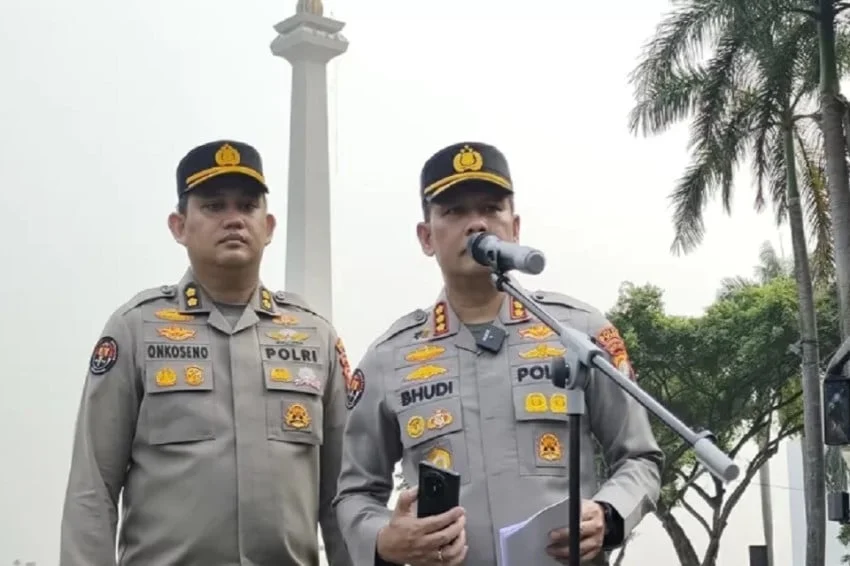
On Saturday, October 31, 2026, the Kasubbid Penmas of the Polda Metro Jaya Public Relations Division, AKBP Onkoseno Grandiarso Sukahar, addressed the media regarding the progress of the case. He confirmed that Bharada AR has undergone a series of psychological interviews conducted by the Medical and Health Division (Bidokkes) of the Polda Metro Jaya.
"During the preliminary questioning, Bharada AR was able to provide coherent testimony for the official police investigation report (BAP). He communicated effectively, and as part of our standard operating procedure for such grave incidents, he has undergone a psychological interview conducted by our specialists at Bidokkes," stated AKBP Onkoseno.
When pressed on whether the suspect showed signs of instability, Onkoseno remained measured, emphasizing that the results of these assessments are currently undergoing rigorous analysis by a team of experts. "The results of the psychological examination require in-depth analysis. We are looking at multiple variables, including the suspect’s mental state, stress levels, and behavioral history within the unit. We will release the findings once the expert analysis is finalized and verified," he added.
Contextualizing Firearms Management in Polri
The incident at Mako Polairud has reignited a broader national conversation regarding the oversight of service weapons among personnel in the Indonesian National Police. The regulations governing the issuance of firearms are stringent, requiring officers to pass periodic psychological tests and demonstrate proficiency in handling weapons. However, the recurring nature of incidents involving firearm misuse—whether through negligence, emotional volatility, or interpersonal conflict—has led legal experts and police observers to call for a more robust psychological monitoring system.
In Indonesia, the possession of a service firearm is considered a high-responsibility privilege. Officers are expected to maintain "mental readiness" at all times. When a fatal incident occurs between colleagues, it often points to a systemic failure in the supervision of young officers or a breakdown in the unit’s internal communication. Police observers suggest that the investigation must move beyond the suspect’s immediate actions to examine the cultural climate of the Polairud unit, including the supervision of daily routines and the handling of inter-personal grievances.
Forensic and Legal Implications
From a legal standpoint, the psychological assessment serves two purposes. First, it determines whether the suspect was cognizant of his actions at the time of the shooting, which is a prerequisite for criminal culpability under the Indonesian Penal Code (KUHP). Second, it provides the defense and the prosecution with evidence regarding potential mitigating or aggravating factors.
Should the psychological report indicate underlying mental health issues, it may lead to a trial centered on the suspect’s capacity to stand trial. However, if the evaluation reveals that the suspect was fully aware of his actions, the case will proceed as a standard homicide investigation. Under the regulations of the Indonesian National Police, police officers found guilty of severe crimes are subject to both civilian criminal court proceedings and an internal "Ethics Code" trial (Sidang Etik), which often results in dishonorable discharge (PTDH).
Internal Reform and Preventive Measures
The tragedy has prompted the Polda Metro Jaya leadership to review existing policies on weapon storage and officer interaction. Sources within the force suggest that immediate measures are being taken to ensure that officers assigned to high-stress environments receive better mental health support. This includes mandatory "mental hygiene" check-ins and stricter enforcement of the "buddy system" for personnel carrying firearms.
Furthermore, the incident has highlighted the importance of early intervention in cases where officers display signs of erratic behavior or interpersonal conflict. Critics of current protocols argue that the culture of hierarchy within the police force can sometimes mask personal issues until they escalate into violence. The investigation into the Mako Polairud shooting will likely include a review of whether any warning signs were ignored prior to the fatal encounter.
The Broader Impact on Public Trust
Public trust in the Indonesian National Police remains a delicate matter, and incidents of this nature significantly damage the institutional image. When the police force is seen as unable to manage its own personnel, it raises questions about its capacity to protect the public. Consequently, the leadership at Polda Metro Jaya is under significant pressure to ensure that the investigation is conducted with maximum transparency.
By involving the Bidokkes and external forensic experts, the police are attempting to demonstrate that they are committed to an objective outcome, regardless of the suspect’s status as a police officer. The handling of this case will be a litmus test for the police’s commitment to accountability. As the legal process moves forward, the family of Bharatu Laurentius Valdo Fernandez is expected to seek justice through both the criminal court and the administrative channels of the police force.
Conclusion: A Path Toward Accountability
As of late October 2026, the investigation remains in a critical phase. The analysis of Bharada AR’s psychological state is expected to take several weeks, as experts look for potential triggers that may have led to the tragedy. The outcome of this case will not only determine the fate of Bharada AR but will also serve as a precedent for how the police handle internal violence.
The tragedy in Pondok Cabe serves as a somber reminder of the dangers inherent in the profession and the necessity of constant vigilance. As the findings from the expert analysis become available, the public and the institution will look for answers that explain how such a breakdown occurred and, more importantly, how it can be prevented from happening again in the future. The commitment shown by Polda Metro Jaya to provide regular updates is a step toward maintaining the transparency required to uphold the integrity of the force during these difficult times.