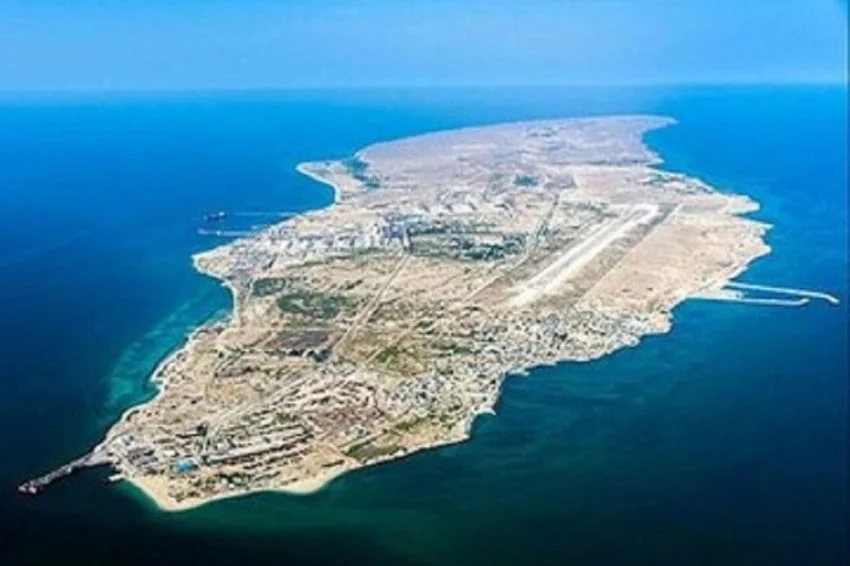
The strategic waters of the Strait of Hormuz, a critical artery for global energy supplies, have once again become the epicenter of international geopolitical friction following reports of military activity near Qeshm Island. Initial accounts from local sources and regional news agencies, including IRNA and Tasnim, suggested that two projectiles struck the Susa area of the island. While these reports initially triggered alarm, the incident unfolded against a backdrop of heightened surveillance and military posturing by both Iranian and United States forces in the Persian Gulf. The situation remains fluid, as regional authorities continue to assess the nature of the reported explosions and the subsequent military response involving an American unmanned aerial vehicle (UAV).
Chronology of Reported Events
The sequence of events began early in the day when residents in various parts of Qeshm Island—the largest island in the Persian Gulf—reported hearing distinct, loud explosions. Shortly thereafter, the state-run IRNA news agency broadcasted reports suggesting that two projectiles had impacted the Susa region. This was quickly corroborated by the Tasnim news agency, which serves as a frequent outlet for reports concerning the Islamic Revolutionary Guard Corps (IRGC).
As the narrative developed, the Iranian state broadcaster IRIB released a separate but potentially linked statement. According to this report, Iranian air defense units successfully intercepted and destroyed a United States MQ-9 Reaper drone operating in the airspace above Qeshm Island. The temporal proximity between the reported missile strikes and the destruction of the drone suggests a highly volatile environment, where military assets are operating in close, high-stakes proximity.
By mid-afternoon, the U.S. Central Command (CENTCOM), which oversees military operations in the Middle East, issued a brief statement characterizing the situation as "relatively calm," effectively downplaying the reports of an intentional U.S. missile strike on Iranian soil. This discrepancy between the local reports of impact and the official military posturing highlights the ongoing information warfare that often accompanies regional escalations.
The Strategic Significance of Qeshm Island
Qeshm Island occupies a position of immense strategic importance. Located at the mouth of the Strait of Hormuz, it provides the Iranian military with a vantage point to monitor the movement of commercial tankers and naval vessels passing through one of the world’s most vital maritime chokepoints. Roughly 20 percent of the world’s total oil consumption transits through this narrow passage daily.
Because of its geographic placement, Qeshm is heavily militarized. It serves as a base for coastal defense batteries, anti-ship missile systems, and surveillance radar stations. The island’s proximity to international shipping lanes makes any military activity in its vicinity a matter of global concern, as disruptions there can lead to immediate spikes in oil prices and volatility in international shipping insurance markets.
The MQ-9 Reaper: Context and Capabilities
The MQ-9 Reaper, which Iranian media claims to have downed, is a sophisticated, long-endurance, medium-altitude remotely piloted aircraft. Primarily used for intelligence, surveillance, and reconnaissance (ISR), the drone is capable of carrying a significant payload of munitions, including Hellfire missiles and laser-guided bombs.
For the United States, the MQ-9 represents a critical tool in its regional intelligence-gathering apparatus. The loss of such an asset—if confirmed—would be a significant tactical setback and a major symbolic victory for Iranian air defense forces. Previous instances involving the downing of U.S. surveillance assets by Iran have historically led to direct diplomatic confrontations and increased scrutiny over the rules of engagement in international airspace versus sovereign territorial waters.
Official Responses and Diplomatic Posturing
The reaction from the international community and the involved parties has been characterized by caution. Iranian officials, including the local provincial authorities, have remained largely reticent, likely awaiting a coordinated message from Tehran. The absence of a definitive statement from the Iranian Foreign Ministry or the IRGC leadership suggests that the incident is being scrutinized at the highest levels of government to determine whether the reported strikes were an act of provocation, a technical failure, or a miscalculation by regional forces.
CENTCOM’s response, meanwhile, reflects a desire to prevent the incident from spiraling into a wider military confrontation. By labeling the area "relatively calm," the U.S. military is effectively attempting to signal to regional allies and global markets that the incident is not part of a broader, pre-planned military campaign. This standard operating procedure for the U.S. in the Persian Gulf is designed to minimize the risk of accidental escalation, particularly during times of strained diplomatic relations.
Analytical Overview of Regional Implications
The incident at Qeshm Island must be viewed through the lens of a "gray zone" conflict. This is a state of play where adversaries engage in aggressive acts—such as drone surveillance, cyber operations, and brief kinetic skirmishes—that stay just below the threshold of full-scale war.
- Information Asymmetry: One of the most prominent features of this event is the divergence in narratives. Iranian media sources have been proactive in reporting "impacts," while U.S. military sources prioritize the containment of the narrative. This serves as a reminder that in the modern theater of war, the battle for perception is as significant as the physical engagement.
- The Risk of Miscalculation: With both Iranian and American forces operating in such close proximity, the potential for a catastrophic miscalculation is ever-present. A routine surveillance mission or a defensive exercise can quickly be misinterpreted as a prelude to an offensive, forcing commanders to make split-second decisions that could alter the regional security architecture.
- Market Sensitivity: Any instability in the Strait of Hormuz acts as a multiplier for energy market anxiety. Even in the absence of a confirmed kinetic engagement, the mere report of missile fire triggers automated trading algorithms and increases premiums on maritime shipping. Investors and global energy stakeholders closely monitor these developments, as a sustained blockage or heightened military activity could have severe implications for the global economy.
Looking Ahead: The Path Toward De-escalation
As authorities continue their investigation, the primary concern remains the restoration of predictable behavior in the Strait of Hormuz. Historically, incidents involving the destruction of surveillance assets or reports of missile strikes are followed by a period of intense diplomatic back-channel communication.
The lack of immediate, large-scale kinetic follow-up suggests that both Tehran and Washington are currently operating under a tacit understanding that neither side seeks an all-out conflict. However, the recurring nature of these incidents indicates that the status quo is increasingly fragile. The reliance on drones for surveillance and the hardening of coastal defenses indicate that the technological "cat-and-mouse" game in the Persian Gulf will continue to be a defining feature of the regional security landscape.
For the international community, the incident serves as a stark reminder of the volatility inherent in the current geopolitical order. Whether the reported strikes on Qeshm were a localized skirmish or a deliberate message, the consequences reverberate far beyond the shores of the island. Future developments will depend heavily on the transparency provided by both Iranian and American authorities and their willingness to engage in de-escalatory rhetoric to prevent the localized incident from expanding into a broader regional crisis.
As of this report, the situation remains under close observation by international maritime monitoring agencies and global intelligence analysts. All parties appear to be calibrating their responses to ensure that the strategic equilibrium in the Strait of Hormuz remains intact, even as the shadows of military competition continue to lengthen across the region.