
Social development is a cornerstone of childhood, serving as the foundation for long-term psychological well-being and academic success. While many children navigate the complexities of interpersonal relationships with innate ease, a significant portion of the pediatric population finds the process of forming friendships to be a daunting, anxiety-inducing challenge. As of November 2026, educational psychologists and child development experts are increasingly emphasizing that social skills are not merely "natural traits" but are, in fact, learned competencies that can be fostered, practiced, and refined through targeted parental intervention and structured environmental exposure.
The Developmental Landscape of Childhood Socialization
Recent data from child behavioral studies indicate that the foundational period for developing peer-interaction skills occurs between the ages of four and eight. During this window, children transition from parallel play—where they play alongside others—to cooperative play, which requires negotiation, communication, and conflict resolution.
The struggle to integrate into peer groups is not necessarily an indicator of personality defects. Experts suggest that environmental factors, temperament, and early exposure to diverse social settings play critical roles. For children who struggle with social cues, the school environment can quickly become a source of stress. According to the National Association for the Education of Young Children (NAEYC), social-emotional learning (SEL) in the early years is a significant predictor of future mental health, with children who possess strong social skills showing a 20% higher likelihood of sustained academic engagement in their teenage years.
Understanding the Barriers to Connection
When children face difficulties in making friends, it is often due to a breakdown in one of three areas: communication, emotional regulation, or perspective-taking. A child may struggle with the "give-and-take" nature of conversation, or they may find it difficult to read the non-verbal cues of their peers, such as body language or tone of voice.
It is vital for parents to distinguish between shyness and social anxiety. Shyness is often a temperament, whereas social anxiety involves a fear of negative evaluation by others. When a child is consistently isolated, the risks are significant. Research shows that prolonged social isolation in childhood correlates with higher risks of depression, lower self-esteem, and increased vulnerability to bullying in the middle-school years. Therefore, the role of the parent is not to force the child into extroversion, but to provide the tools necessary to navigate social landscapes comfortably.
Strategic Approaches to Fostering Social Skills
To bridge the gap between a child’s internal world and the external social environment, parents can implement evidence-based strategies that turn abstract social concepts into tangible actions.
1. Utilizing Character Play as a Social Simulator
Role-playing remains one of the most effective ways to teach empathy and conversational flow. By using dolls, action figures, or even household objects, parents can act out common social scenarios, such as joining a group of children at a playground or handling a disagreement over a toy. This "low-stakes" environment allows the child to practice verbal responses—such as asking, "Can I play with you?" or offering a compliment—without the pressure of real-world judgment.
2. The Concept of Iterative Cooperation
Socializing requires an understanding of resource sharing and turn-taking. This is often the first hurdle in early childhood friendships. Parents can utilize structured activities, such as board games or time-limited sessions with shared resources, to normalize the idea of waiting. By setting a physical timer, the parent depersonalizes the restriction, turning it into a game rather than a punishment. This teaches the child that giving up a toy for a moment does not mean losing it forever, but rather participating in a mutual exchange.
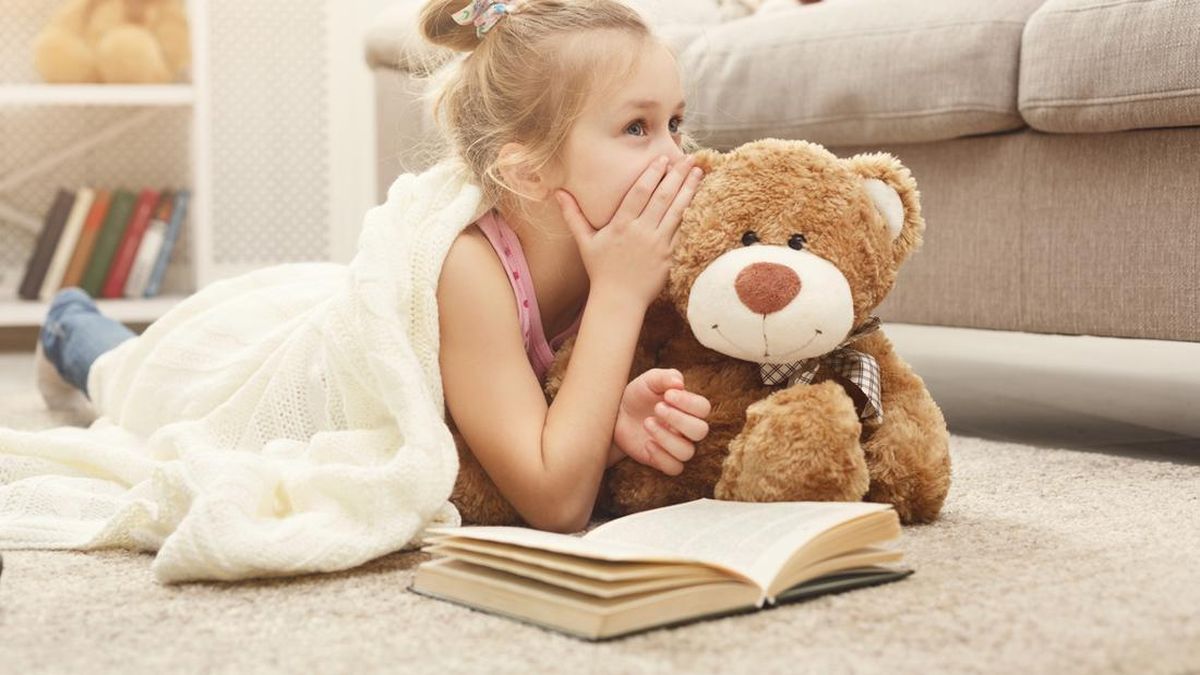
3. Empathy and Active Listening
For a child to be a good friend, they must learn to be a good listener. Parents can model this by actively listening to their child without interrupting. When a child shares a story about their day, reflecting their emotions back to them—"It sounds like you felt frustrated when your friend didn’t share"—builds their emotional vocabulary. A child who can label their own emotions is better equipped to recognize the emotions of others, which is the bedrock of empathy.
4. Avoiding the Trap of Social Assumptions
A common error in parental guidance is the assumption that children "should just know" how to make friends. This leads to comparisons with siblings or peers, which can be counterproductive. Comparing a child’s progress to that of an outgoing peer often results in the child feeling inadequate, which further suppresses their willingness to attempt social interaction. Each child develops at their own pace; recognizing this prevents unnecessary pressure and allows for a more supportive, patient approach.
5. Identifying and Leveraging Strengths
Every child possesses specific interests that can act as a bridge to friendship. If a child is passionate about dinosaurs, space, or art, these subjects can serve as the primary vehicle for social connection. By enrolling the child in extracurricular activities aligned with their interests, the parent places the child in a room full of peers who share the same enthusiasm. Having a common "anchor" topic makes the initial conversation much easier and provides a natural context for interaction.
6. Problem-Solving as a Skill, Not a Personality Trait
When a social interaction goes wrong, it should be treated as a learning opportunity rather than a character failure. Parents should encourage children to "debrief" after a social encounter. Ask open-ended questions: "How did that go?" or "What do you think your friend meant when they said that?" By treating social conflict as a puzzle to be solved, the child moves from a position of helplessness to a position of agency. They learn that they have the power to change the outcome of a situation through their own behavior.
7. Prioritization and Incremental Goals
It is easy for parents to feel overwhelmed by the desire to "fix" their child’s social life, but trying to address every aspect of social interaction simultaneously is often counterproductive. Experts recommend identifying the most pressing bottleneck. Is it the inability to start a conversation? Is it the difficulty in handling a "no"? By narrowing the focus to one specific skill at a time, the child can master the basics before moving on to more complex social dynamics.
The Role of Professional Intervention
In cases where a child’s social difficulties are rooted in neurodivergence or severe social anxiety, standard parental coaching may not be sufficient. Professional speech-language pathologists or child psychologists can offer specialized social skills training (SST). These sessions are designed to help children with ADHD, autism spectrum disorder, or social anxiety disorder by breaking down social interactions into predictable, step-by-step sequences.
Long-Term Implications for Social Health
The cumulative effect of these interventions is the development of social intelligence. Children who are taught how to navigate peer relationships effectively are better prepared for the collaborative environments of the modern workplace. They develop resilience, conflict resolution skills, and the ability to work within teams—traits that are increasingly valued by employers in the 21st century.
Ultimately, the goal of teaching a child to be more social is not to produce a social butterfly who is constantly surrounded by people. Rather, it is to provide the child with the freedom of choice. A child who possesses the skills to socialize has the autonomy to choose when and how they interact with others. By providing a secure, supportive, and instructional foundation, parents can ensure that their children enter the wider world with the confidence to build meaningful connections that can last a lifetime.
As we look toward the future of education and child development, the integration of these practices into the home and the classroom will remain essential. The ability to connect is, in many ways, the ability to thrive. By normalizing the learning process, offering consistent guidance, and prioritizing the child’s emotional growth over superficial social milestones, parents can help their children successfully navigate the intricate, rewarding, and necessary world of human friendship.