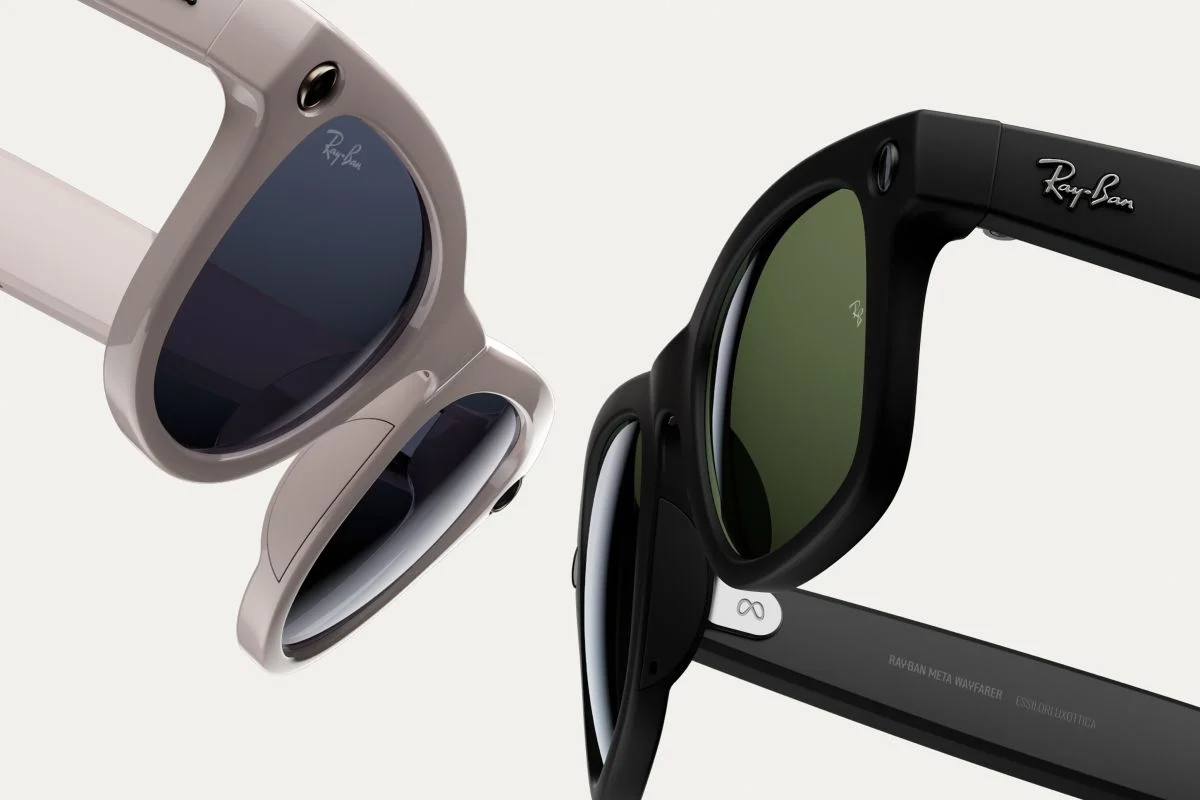
The landscape of wearable technology in Indonesia is poised for a significant transformation as Meta, in a strategic partnership with eyewear giant EssilorLuxottica, prepares to officially launch its highly anticipated line of AI-powered smart glasses on November 11, 2026. This market entry marks a pivotal moment for consumer technology in Southeast Asia’s largest economy, introducing devices that seamlessly blend high-fashion aesthetics with advanced computational power. By integrating Meta AI, high-definition camera systems, and spatial audio into traditional eyewear form factors, the collaboration aims to redefine how users interact with the digital world without the physical constraints of a handheld smartphone.
A New Era of Wearable Integration
The arrival of the Ray-Ban Meta and Oakley Meta collections represents a departure from traditional "gadget-heavy" wearables. Unlike previous iterations of smart glasses that often appeared bulky or futuristic in a way that discouraged daily use, the Meta lineup prioritizes style and ergonomics. The Indonesian market will see four distinct models, catering to a spectrum of users ranging from the fashion-conscious urban professional to the high-performance athlete.
This launch is not merely a product release; it is the culmination of years of research into "ambient computing." Meta’s vision, as articulated by company leadership during various global development summits, is to create a frictionless interface between human perception and artificial intelligence. By enabling "hands-free" interaction—where a simple voice command can trigger a photo, play music, or query an AI assistant—Meta is betting that the future of personal connectivity lies in devices that disappear into our daily lives rather than demanding constant attention.
Product Portfolio and Pricing Strategy
To ensure a comprehensive market penetration, the collection is segmented by utility and design language. Consumers in Indonesia can procure these devices through authorized Ray-Ban and Oakley retail channels, as well as the nationwide network of Optik Seis outlets. The pricing structure is as follows:
- Oakley Meta HSTN: Rp8,799,000 – Designed for versatility and urban lifestyle.
- Ray-Ban Meta Gen 3: Rp8,999,000 – The flagship lifestyle model, emphasizing classic aesthetics.
- Ray-Ban Meta Optics Gen 2: Rp9,399,000 – A specialized variant for those prioritizing optics and design.
- Oakley Meta Vanguard: Rp10,999,000 – The performance-oriented powerhouse for extreme outdoor activities.
The price points reflect the premium nature of the materials, such as Oakley’s proprietary PRIZM lens technology, combined with the embedded silicon and sensor arrays required to power the AI features.
Technical Capabilities: Behind the Lens
The hardware architecture of these glasses is a marvel of miniaturization. The Ray-Ban Meta Gen 3, for instance, houses a 12-megapixel camera sensor capable of capturing 3K Ultra HD video. This allows users to record their environment from a first-person perspective, providing a level of immersion that traditional cameras cannot replicate.
Audio engineering has also been a focal point. The devices feature a six-microphone array, optimized for noise reduction and voice clarity. This is essential for the Meta AI interaction, as the system must accurately process natural language commands even in noisy, real-world environments like busy Jakarta streets. The open-ear speaker system allows for a hybrid auditory experience, enabling users to listen to music or take calls while maintaining situational awareness of their surroundings.
The Oakley Meta Vanguard, meanwhile, is engineered for the high-intensity user. With an IP67 rating for dust and water resistance, it is built to withstand the elements, whether for long-distance cycling or trail running. Its deeper integration with fitness ecosystems like Strava and Garmin signifies a strategic move by Meta to capture the growing health and fitness data market, allowing athletes to receive real-time performance updates directly through the audio channels of their glasses.
The Role of Meta AI and Connectivity
At the heart of these glasses is the Meta AI engine. Unlike voice assistants of the past that were limited to simple task execution, Meta AI is designed for contextual understanding. Through the glasses, users can point at an object and ask for information, translate foreign signs in real-time, or receive guidance on how to fix a technical issue.
However, the efficacy of these features is inherently tied to the user’s smartphone. It is critical to note that these glasses are not standalone devices; they function as a peripheral, tethered to a smartphone for data processing and cloud connectivity. This tethering is essential for maintaining a slim form factor, as the heavy-duty computing required for complex AI queries is offloaded to the cloud or the connected phone.
Market Implications and Regulatory Context
The introduction of such advanced hardware in Indonesia brings with it significant discussions regarding data privacy and surveillance. The ability to record video and capture images from a device that looks like standard eyewear has raised concerns in various jurisdictions, including Italy, where Meta has previously faced scrutiny regarding data handling practices. As the technology gains traction, Indonesian regulators and consumers alike will likely demand clarity on how visual and audio data are stored, processed, and protected.
From an industry perspective, the arrival of Meta’s smart glasses puts pressure on other tech giants. Reports suggest that companies like Apple are actively exploring expansion into the smart glasses sector, recognizing that the "screen time" battle is shifting from handheld devices to wearables. The success of the Meta-EssilorLuxottica partnership in Indonesia could serve as a bellwether for the adoption of augmented reality (AR) and AI-integrated hardware in emerging markets.
A Shift in Consumer Behavior
The broader implication of this launch is the potential shift in how information is consumed. If consumers adopt these glasses for daily navigation, communication, and information retrieval, the reliance on looking down at a smartphone screen could decrease. This transition, often referred to as the "heads-up" revolution, promises to make digital information more accessible and less disruptive to face-to-face social interactions.
However, the transition will not be immediate. The price range of Rp8 million to Rp11 million positions these devices as premium products. Adoption will likely begin with early adopters and tech enthusiasts, with mass-market penetration depending on how quickly the software ecosystem expands and how effectively Meta can address privacy concerns.
Looking Ahead: The Future of Wearables
As Meta prepares for the November 11 launch, the retail sector in Indonesia is gearing up for a wave of interest. The collaboration with Optik Seis is particularly strategic, as it leverages an established optical network to handle the prescription lens requirements of many potential buyers. This marriage of traditional optical expertise and Silicon Valley innovation is the key to scaling the technology.
The long-term success of this initiative will be measured not just by sales units, but by the "utility rate"—how often users reach for their glasses instead of their phones. As AI models continue to evolve and become more predictive, the role of these glasses may expand from simple recording devices to proactive personal assistants that help users manage their day-to-day lives with greater efficiency.
In conclusion, the launch of Meta’s smart glasses in Indonesia represents a landmark achievement in the integration of AI into physical, wearable hardware. By balancing high-end optical quality with powerful computational features, Meta is setting the stage for a future where the digital and physical worlds are increasingly intertwined. As the market prepares for the arrival of the Ray-Ban and Oakley Meta collections, the focus will now turn to how these devices perform in the hands of the public and whether they can indeed live up to the promise of a more connected, hands-free future.
The journey for smart glasses is still in its infancy, but the roadmap is clear. Whether these devices become an essential tool for the modern Indonesian consumer or remain a high-end niche product will depend on the evolution of AI capabilities and the ongoing dialogue between technology providers and the public regarding the responsible use of these powerful, personal tools. For now, the stage is set for a new chapter in the history of personal technology, beginning this November.