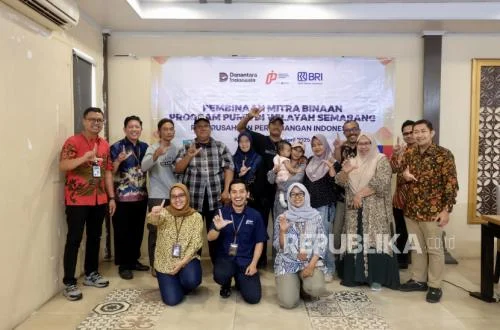
PT Perusahaan Perdagangan Indonesia (PPI) and PT Bank Rakyat Indonesia (Persero) Tbk (BRI) have significantly intensified their collaborative efforts to strengthen Micro, Small, and Medium Enterprises (MSMEs) across Indonesia, exemplified by a recent comprehensive sharing session and intensive mentorship program for beneficiaries of the Micro and Small Business Funding Program (PUMK) held in Semarang, Central Java. This strategic partnership underscores a concerted commitment from two prominent state-owned enterprises (SOEs) to foster robust, sustainable, and competitive growth within the vital MSME sector, which forms the backbone of the Indonesian economy. The initiative is designed not merely to disburse funding but to cultivate an ecosystem of support, ensuring that financial access is complemented by crucial capacity building and strategic guidance.
A Strategic Alliance for Economic Empowerment
The collaboration between PPI, a leading state-owned trading company, and BRI, renowned for its extensive reach and dedication to microfinance, represents a powerful synergy aimed at tackling multifaceted challenges faced by Indonesian MSMEs. The PUMK program, a cornerstone of this partnership, goes beyond conventional financial assistance, embedding a proactive approach to business development. According to Ira Berlianty Aziz, Head of Corporate Secretariat and Corporate Social and Environmental Responsibility (TJSL) at PT PPI, the systematic and routine nature of the mentorship is critical for monitoring the evolution of beneficiary businesses. Speaking in Jakarta on Wednesday, April 15, 2026, Aziz emphasized that these regular engagements are a strategic move to track the progress of partner businesses and to guarantee that the allocated funding translates into tangible, positive impacts on their growth trajectories.
This robust monitoring mechanism is crucial in a landscape where many MSMEs, despite having access to capital, often struggle with operational inefficiencies, market penetration, and strategic planning. By actively engaging with their beneficiaries, PPI and BRI aim to preempt potential pitfalls and provide timely interventions, ensuring the longevity and scalability of these enterprises. The program’s methodology involves a continuous feedback loop, where challenges identified during field visits and sharing sessions directly inform future training modules and policy adjustments.
The Indispensable Role of MSMEs in Indonesia’s Economy
MSMEs are the lifeblood of Indonesia’s economy, contributing significantly to the national Gross Domestic Product (GDP) and serving as the largest employer. As of recent statistics, MSMEs account for over 60% of Indonesia’s GDP and absorb more than 97% of the total workforce. This sector’s sheer scale and potential make its development a national priority, crucial for inclusive economic growth, poverty reduction, and fostering innovation at the grassroots level. However, despite their immense contribution, MSMEs frequently encounter a myriad of obstacles, including limited access to formal financing, inadequate managerial and technical skills, challenges in market access (both domestic and international), lack of digital literacy, and difficulties in complying with regulatory standards.
The government of Indonesia has long recognized these challenges and has implemented various policies and programs to support MSME growth, including facilitating access to credit, providing training, and promoting digitalization. The PUMK program, spearheaded by PPI and BRI, aligns perfectly with these national objectives, serving as a practical, on-the-ground implementation of broader economic strategies. By focusing on capacity building alongside financial provision, the program addresses the holistic needs of MSMEs, empowering them to overcome systemic barriers and thrive in a competitive environment.
Program Mechanics and Capacity Building
The core of the PUMK initiative lies in its holistic approach to MSME development. The program in Semarang, for instance, featured intensive sharing sessions where successful entrepreneurs and industry experts provided insights into best practices, market trends, and innovative business strategies. These sessions were complemented by personalized pendampingan (mentorship or accompaniment), allowing mentors to work closely with individual MSMEs, addressing their specific operational and strategic challenges.
Aziz elaborated that mentorship is the linchpin of the program, ensuring that MSMEs not only secure financial access but also experience a substantial enhancement in their business capabilities. PPI, she stated, positions itself as a strategic partner, actively encouraging entrepreneurs to evolve and "rise to the next level." This involves guidance on various aspects, including financial management, product development, marketing strategies (including digital marketing), supply chain optimization, and adherence to quality standards. The goal is to transform nascent businesses into robust, competitive entities capable of sustained growth.
"Through the PUMK Program, we are not merely present as funding providers, but also as partners who accompany entrepreneurs to ensure they possess competitiveness and sustainability," Aziz affirmed, underscoring the long-term vision embedded in the initiative. This philosophy reflects a paradigm shift from transactional lending to developmental partnership, where the success of the MSME is directly linked to the comprehensive support provided by PPI and BRI.
Statements from Related Parties and Local Impact
While the primary statements came from PPI, the collaborative nature of the program implicitly highlights BRI’s unwavering commitment to the MSME sector. BRI, with its vast network extending to remote areas, has historically been at the forefront of financial inclusion for micro and small businesses. A representative from BRI, though not quoted directly in the initial report, would likely echo PPI’s sentiments, emphasizing the bank’s mission to empower local economies through accessible financing and developmental support. BRI’s involvement brings crucial financial expertise, risk management capabilities, and an extensive reach that significantly amplifies the program’s impact.
The choice of Semarang, Central Java, as a focal point for this intensified program is strategic. Central Java is a province with a vibrant MSME ecosystem, ranging from traditional crafts and food processing to emerging tech-based startups. The local government and business communities in Semarang would undoubtedly welcome such initiatives, recognizing their potential to stimulate local economic activity, create jobs, and enhance the overall prosperity of the region. Programs like PUMK contribute directly to strengthening local supply chains, fostering innovation, and increasing the overall resilience of the regional economy against external shocks.
Local MSME participants, who form the direct beneficiaries of this program, have consistently reported positive outcomes from similar initiatives. The opportunity to learn from seasoned professionals, network with peers, and receive tailored advice is invaluable. Many have highlighted how such mentorship helps them formalize their businesses, improve product quality, access new markets, and navigate complex regulatory landscapes, ultimately leading to increased revenue and job creation.
Identifying Challenges and Tailoring Solutions
A critical component of the sharing sessions and mentorship activities is the proactive identification of challenges faced by MSMEs on the ground. This systematic evaluation forms the bedrock for PPI and BRI to design and implement more targeted and effective training and support programs. Understanding the specific pain points—be it raw material sourcing, production efficiency, digital adoption, or market access—allows for the creation of bespoke solutions rather than a one-size-fits-all approach.
For instance, if a cohort of MSMEs struggles with digital marketing, subsequent workshops might focus heavily on social media strategies, e-commerce platform utilization, and online branding. If access to raw materials is an issue, PPI, with its expertise in trade and logistics, could explore facilitating better supply chain connections. This adaptive and responsive program design ensures that the support provided remains highly relevant and impactful.
Aziz reiterated that the program is expected to broaden market access for beneficiary partners while simultaneously boosting their business capacities. This dual focus is essential; simply increasing capacity without expanding market reach can lead to oversupply, while market access without adequate capacity can compromise quality and delivery. The synergy between these two objectives is key to sustainable growth.
Broader Implications for Inclusive and Sustainable Development
The PPI-BRI partnership, through initiatives like PUMK, carries significant implications for Indonesia’s broader economic development agenda. By investing in MSMEs, these SOEs are not only fulfilling their corporate social responsibilities but are also actively contributing to several Sustainable Development Goals (SDGs), particularly those related to poverty eradication (SDG 1), decent work and economic growth (SDG 8), and industry, innovation, and infrastructure (SDG 9).
The program fosters inclusive economic growth by empowering marginalized communities and reducing income disparities. It promotes decent work by helping MSMEs formalize operations, improve working conditions, and create stable employment opportunities. Furthermore, by encouraging innovation and efficiency, it contributes to building resilient infrastructure and promoting sustainable industrialization.
"PPI, through this initiative, is committed to supporting inclusive and sustainable economic development, while also strengthening the contribution of micro and small businesses in Indonesia," Aziz concluded. This statement encapsulates the profound ambition of the program: to leverage the power of collaboration between state-owned entities to unlock the full potential of the MSME sector, driving national prosperity and fostering a more equitable and resilient economy for all Indonesians. The ongoing success of the PUMK program serves as a testament to the transformative power of strategic partnerships and targeted interventions in nurturing the growth engines of the nation.